


The Unlikely Star of the 'Swicy' Show
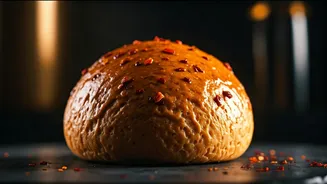
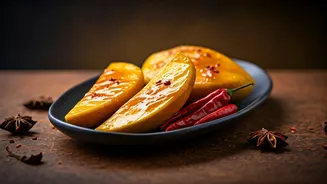
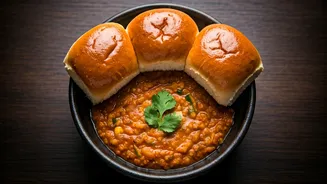
Let’s be clear: a Butter Pav on its own is not a ‘swicy’ dish. It is a soft, pillowy bread roll, sliced and toasted to golden perfection in a generous amount of butter. [3] It’s a study in rich, comforting simplicity. But its genius lies not in isolation,
but in partnership. When a hot, buttery pav arrives next to a fiery, tangy plate of pav bhaji or misal, its true purpose is revealed. [3, 10] The slightly sweet, fatty richness of the buttered bread is the perfect counterpoint to the sharp, complex spice of the curry. It doesn’t just accompany the spice; it elevates it by providing balance. This combination—the buttery pav and the spicy bhaji—is the quintessential ‘swicy’ experience, happening on millions of plates across India every single day. [21] It’s a flavour dialogue where the pav soothes the palate just enough to make you crave the next spicy spoonful.
A Trend We Never Needed a Name For
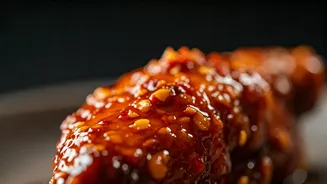
‘Swicy’, a portmanteau of sweet and spicy, has become a global culinary buzzword, describing everything from Korean gochujang wings to hot honey-drizzled pizzas. [14, 19] But for anyone familiar with Indian cuisine, this ‘new’ trend feels less like a discovery and more like the world finally catching up. [6] Indian food has never treated sweet and spicy as opponents, but as partners in a delicate dance. [5] As one food entrepreneur noted, the term simply gives a "global vocabulary" to an idea that has been instinctive in Indian cooking for generations. [6] The proof isn't in a fleeting trend, but in centuries of culinary tradition, where this very balance is considered the hallmark of a well-crafted dish.
India’s 'Swicy' Hall of Fame
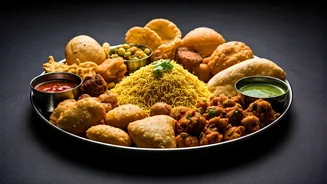
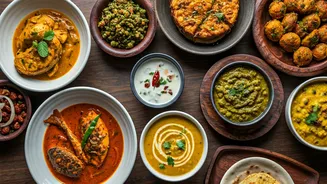
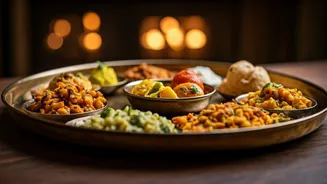
Long before Butter Pav met its Bhaji, countless other Indian dishes were mastering the art of sweet and heat. Look no further than the nearest chaat stall. The magic of Bhel Puri or Papdi Chaat lies in the collision of sweet, dark tamarind chutney against the fresh, fiery kick of green chilli and mint chutney. [5, 18] It’s a flavour profile that is complex, satisfying, and deeply ingrained in our street food culture. Delve into regional cuisines, and the evidence becomes overwhelming. Parsi cuisine’s legendary Dhansak is a masterclass in this philosophy, blending lentils and meat into a curry that is simultaneously sweet (from pumpkin and jaggery), sour (from tamarind), and gently spicy from a unique masala blend. [2, 11] It’s a direct result of the fusion between Persian and Gujarati culinary traditions. [13] Speaking of Gujarat, its entire culinary identity is built on this beautiful balance. From the steamed, rolled Patra, where colocasia leaves are slathered in a sweet, spicy, and tangy gram flour paste, to the ubiquitous Dhokla served with sweet and spicy dips, Gujarati food celebrates this combination in nearly every bite. [9, 17]
Why We're Talking About It Now
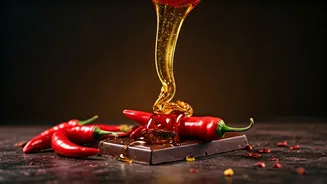
If this flavour profile is so ancient, why is it trending now? The answer lies in exposure and a modern repackaging of ideas. As global palates become more adventurous, the complex flavours that were once confined to regional Indian kitchens are finding a wider audience. [6] The catchy ‘swicy’ label helps frame this traditional concept in a way that is modern and accessible, especially for younger consumers. [19] We now see this DNA expressed in new ways in cafes across urban India: chili-chocolate desserts, spicy mango salsas, and paneer dishes drizzled with hot honey. [5] These aren’t replacing the originals, but rather, they are a modern evolution, proving the versatility and timelessness of the sweet-and-spicy philosophy. They are a nod to our culinary past, presented in a language that the contemporary food world understands.