





The Scent of the Season
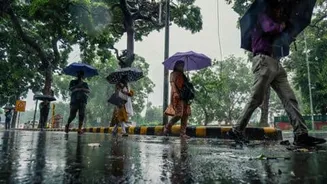
Across India, from bustling city streets to quiet hill stations, the arrival of monsoon is synonymous with the appearance of bhuttawallahs. Their simple carts, equipped with a small charcoal grill, become beacons of comfort. The ritual is a multisensory
experience: the rhythmic fanning of the embers, the crackle of kernels charring, and the final, glorious hiss as a lime wedge laden with spices is rubbed across the hot cob. This isn’t just a snack; it’s a seasonal rite of passage, a warm, flavour-packed welcome to the rains. For countless Indians, the smell alone is enough to trigger a flood of memories—of childhood holidays, evening walks, or sheltering from a downpour.
A Symphony of Simple Flavours
The magic of street-style bhutta lies in its simplicity and the perfect balance of flavours. The corn itself, often a hardy, less sweet 'desi' variety, offers a satisfying, chewy texture and an earthy taste. Roasting over charcoal imparts a deep, smoky flavour that cannot be replicated on a gas stove. The grand finale is the seasoning. A half-cut lime is dipped into a mixture of salt, red chilli powder, and sometimes chaat masala or black salt, then vigorously applied to the cob. This simple blend of tangy, spicy, and salty perfectly complements the natural sweetness of the corn, creating a taste profile that is complex yet deeply comforting.
A Unifying Cultural Thread
While corn's origins trace back to the Americas, with some debate about its ancient presence in India, the masala bhutta is a thoroughly Indian innovation. It's one of the few street foods that transcends regional boundaries, loved equally in Mumbai, Delhi, Kolkata, and the hill stations of Himachal Pradesh. While minor regional variations exist in the spice mixes, the core experience remains the same. It’s an affordable and accessible snack, enjoyed by people from all walks of life. This shared love for bhutta makes it a powerful cultural unifier, a simple pleasure that connects strangers huddled under an awning, families on a long drive, and friends catching up on a rainy evening.
A Healthier Indulgence
In a landscape of deep-fried monsoon snacks like pakoras and samosas, roasted bhutta stands out as a relatively healthy option. It is not fried in oil and is packed with nutrients. Corn is a good source of dietary fibre, which aids digestion, and contains complex carbohydrates that provide sustained energy. It is also rich in antioxidants, B vitamins, and minerals like magnesium and phosphorus. The desi variety often used by street vendors is considered healthier than the sweeter hybrid corn as its sugar is converted into complex starch, which doesn't cause a sharp spike in blood sugar levels.
Modern Twists on a Classic
The humble bhutta is not immune to modern culinary trends. Upscale cafes and restaurants have started offering gourmet versions, featuring everything from peri-peri seasoning to creamy garlic sauce and Italian herb mixes. The rise of American sweet corn, often boiled and served in a cup with various toppings, offers a different experience—softer, sweeter, and easier to eat. Yet, for most purists, these innovations cannot replace the rustic charm and authentic flavour of a charcoal-roasted cob. The slight char, the tough-to-chew kernels, and the hands-on process of eating it are all part of its enduring appeal.