
The Appeal of the Slow Journey
In an age of instant gratification and high-speed travel, a counter-trend is emerging: the joy of the slow journey. Travellers, particularly younger generations, are increasingly seeking authentic and immersive experiences over quick getaways. Train travel through
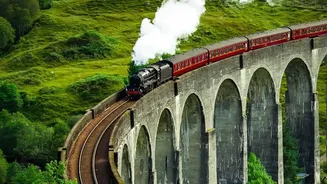
the Western Ghats fits this desire perfectly. It offers a chance to disconnect from the frantic pace of daily life and reconnect with nature in a profound way. The rhythmic chug of the train, the ever-changing vistas, and the unhurried passage of time create a meditative experience that flights and road trips simply cannot replicate. This deliberate slowness allows for a deeper appreciation of the journey itself, turning travel from a mere transit into a core part of the adventure.
Unbeatable Scenery for a Fraction of the Cost
The primary driver behind this trend is the incredible value proposition. The Western Ghats, a UNESCO World Heritage site, boasts some of the most spectacular biodiversity and landscapes in India. During the monsoon season, the region transforms into a vibrant green paradise, with countless waterfalls coming to life. A train ticket to witness this grandeur is astonishingly affordable. For instance, a second-class ticket on the famous Nilgiri Mountain Railway can be as low as a few hundred rupees. Similarly, a journey on the Konkan Railway from Mumbai to Goa, considered one of India's most scenic routes, can be undertaken for under ₹500 in sleeper class. This makes for a world-class scenic experience that is accessible to almost every budget, a major draw for students, backpackers, and families.
The Konkan Railway: A Monsoon Marvel
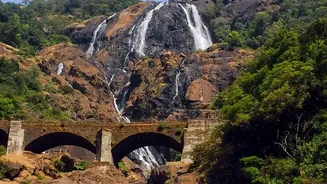
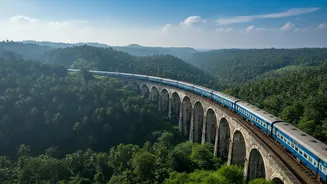
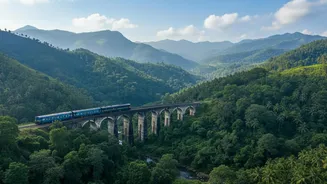
Stretching along India's western coast, the Konkan Railway is an engineering marvel that cuts through the heart of the Ghats. The route from Mumbai to Goa is particularly famous, taking passengers through 92 tunnels and over 2,000 bridges. While beautiful year-round, it is during the monsoon (June to September) that this journey becomes truly magical. The landscape erupts in lush greenery, and waterfalls cascade down hillsides, sometimes flowing right over the tracks. The famous Dudhsagar Falls, one of India's tallest waterfalls, is a major highlight, offering a breathtaking view directly from the train carriage. Many trains, including some with special Vistadome coaches offering panoramic views, traverse this route, making it a must-do for any rail enthusiast.
Heritage and Nostalgia: The 'Toy Trains'
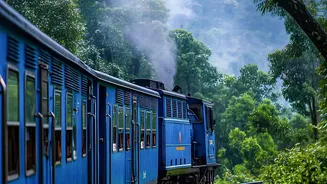
Beyond the mainline routes, the Western Ghats are home to historic 'toy trains' that offer a journey back in time. The Nilgiri Mountain Railway in Tamil Nadu, running from Mettupalayam to Ooty, is a celebrated UNESCO World Heritage site. It is India’s steepest railway track, chugging slowly through dense forests, verdant tea plantations, and across 250 bridges. The old-world charm of its blue and cream carriages, sometimes pulled by a steam engine, evokes a deep sense of nostalgia. Another charming route is the Matheran Hill Railway in Maharashtra, a narrow-gauge line that winds through dense forest to the eco-sensitive hill station of Matheran. These heritage lines are not just a mode of transport but are destinations in themselves.
Tips for Your Ghats Journey
Inspired to take a trip? Booking in advance is highly recommended, especially for popular trains like the Nilgiri Mountain Railway or Vistadome coaches, as they sell out quickly. For routes like the Konkan Railway during monsoon, booking a window seat is essential for the best views. If you're hoping to see Dudhsagar Falls, remember that trains do not stop there, but pass by slowly; a train from Vasco da Gama or Londa will offer the classic view. Pack light, but don't forget a camera and perhaps a light jacket for the cooler mountain air. Most importantly, be prepared to embrace the journey, enjoy the local snacks sold at stations, and let the magnificent scenery of the Western Ghats unfold before you.