







Why the August Travel Frenzy is Real
Raksha Bandhan is more than just a festival; it's a reason for families to reunite. This emotional pull translates into a massive, predictable travel rush every year. People travel from metros to their hometowns, creating a peak demand period that rivals
other major holidays. In 2026, Rakhi falls on a Friday, creating a natural three-day weekend from August 28th to 30th. This calendar alignment guarantees that millions will be on the move, putting immense pressure on India's transport and hospitality infrastructure. Past years have consistently shown that waiting lists for trains can exceed 200, bus occupancy can surpass 100%, and last-minute flight fares can nearly double. The demand isn't just for visiting family; leisure destinations also see a significant uptick in bookings as people use the long weekend for a quick getaway.
Flights: Beating the Price Surge
Air travel offers speed and convenience, but it comes at a steep price during festival season if you delay. Dynamic pricing algorithms mean that as seats fill up, fares skyrocket. Experts advise booking flights at least 60 to 90 days in advance to secure reasonable prices. For August travel, this means you should be finalising your bookings by late June or early July. Being flexible with your travel dates by a day or two can also lead to significant savings. Consider flying on off-peak days, like a Thursday or returning on a Monday, to find cheaper fares. Using price comparison websites and setting up fare alerts for your desired route are smart strategies to catch deals as they appear. Don't forget to check alternative airports if your destination is served by more than one.
Trains: The Race for a Confirmed Seat
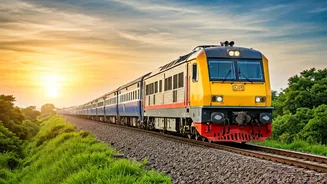
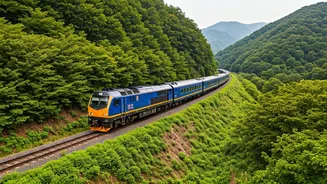
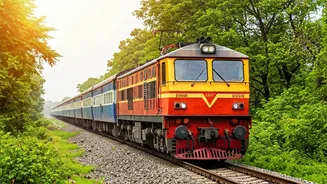
For many, trains are the preferred mode of transport, offering connectivity to the farthest corners of the country. However, securing a confirmed ticket during the Rakhi rush is a formidable challenge. The Indian Railways booking window opens 120 days in advance, and for popular routes, tickets are often waitlisted within minutes of opening. If you've missed the initial booking window, don't lose hope entirely. Keep a close watch on the Tatkal quota, which opens one day before the journey, though it requires speed and a bit of luck. Also, monitor your PNR status regularly, as confirmations can happen due to last-minute cancellations. As a backup, consider breaking your journey or looking for trains to nearby stations and completing the last leg by road.
Buses and Cabs: The Reliable Backup Plan
When trains and flights are full, buses—both state-run and private—become the lifeline for travellers. However, they are not immune to the festival rush. Bus operators often see passenger loads increase dramatically, and private companies are known to hike fares by 20% to 50% in response to the high demand. To avoid exorbitant prices and ensure you have a seat, booking your bus tickets online a few weeks in advance is advisable. Many aggregators now allow for advance booking, providing a safety net. For those travelling in groups or seeking more comfort, pooling together for an outstation cab can be a viable, albeit more expensive, alternative. Booking these services in advance is also crucial to avoid last-minute unavailability and price gouging.
Accommodation: Don't Forget Your Stay
Your travel planning isn't complete without securing a place to stay. Whether you are visiting family and need a guesthouse for a few nights or planning a leisure trip, hotels and homestays get booked out quickly. Popular destinations and hometowns see a surge in demand, leading to higher tariffs. Booking accommodation at least three to four months ahead is recommended, especially for major festivals. Exploring alternative lodging options like vacation rentals or boutique properties can sometimes offer better value and a more unique experience. Websites and apps provide plenty of choices, but the best ones disappear fast during long weekends.