







The Golden Habit: Master Your Airflow
The single most impactful habit for a fresh and dry home during the monsoon is mastering ventilation. While it may seem odd to open windows during the rainy season, strategic airflow is your best defence against trapped moisture. The goal isn't just to let
air in, but to create a cycle where damp, stagnant indoor air is pushed out and replaced with fresher, drier air. This simple practice disrupts the environment where mould and mildew thrive, preventing that persistent musty smell and protecting both your home and your health.
Practice Smart Cross-Ventilation
The most effective way to master your home’s airflow is through cross-ventilation. By opening windows or doors on opposite sides of a room or house, you create a natural pathway for air to move through, flushing out humidity. The key is timing. Wait for a break in the rain or a non-humid part of the day—often in the morning—to open up your home for at least 15-20 minutes. This simple act dramatically reduces moisture buildup and keeps the indoor atmosphere from feeling heavy and sticky. If you're concerned about insects, installing mesh screens on windows is a great solution.
Use Exhaust Fans Religiously
Your kitchen and bathroom are major sources of indoor humidity. A crucial part of your ventilation habit is to use exhaust fans every time you cook or shower. These fans are designed to pull moist air, steam, and fumes out of the room and vent them outside. Leaving them on for 15-20 minutes after you’ve finished can continue to draw out residual moisture, significantly lowering the overall humidity level in your home and preventing the growth of mould in these prone areas.
Declutter to Let Your Home Breathe
Good airflow requires clear pathways. Cluttered spaces and overstuffed storage areas trap damp air, creating pockets of high humidity perfect for mould and pests. Part of maintaining good ventilation is ensuring air can circulate freely. Keep furniture an inch or two away from walls, avoid blocking vents, and keep your wardrobes and cupboards from becoming too packed. On dry, sunny days, open your wardrobe doors to let the air circulate and prevent that dreaded musty smell from clinging to your clothes.
Add Natural Moisture Absorbers
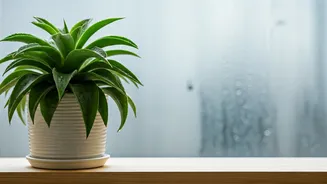
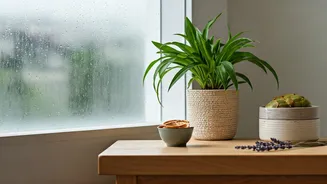
To supplement your ventilation efforts, use natural materials that absorb excess moisture. Placing bowls of rock salt or charcoal briquettes in corners, cupboards, or damp areas can work wonders. Rock salt is particularly effective at drawing moisture from the air. For smaller spaces like drawers and shoe racks, baking soda or silica gel packets can prevent mildew and odours. Many houseplants, like peace lilies and snake plants, also help to naturally reduce humidity while purifying the air.
Inspect for Leaks and Entry Points
The most proactive part of this habit is ensuring moisture doesn't get in to begin with. Before the monsoon truly sets in, take the time to inspect your home for any potential issues. Look for and seal any cracks around windows and doors. Check your roof and walls for any signs of leakage and ensure your drains and gutters are clean and clear to prevent water from backing up and seeping into your home. This preventative step makes your ventilation efforts much more effective.