






In many Indian homes, the question 'What's for dinner?' is often answered by 'yesterday’s curry'. This isn’t about compromise; it’s a culinary secret. Some dishes truly taste better after a day’s rest. Here’s why time is the magic ingredient.
The Science of Better Leftovers
You're not
imagining it: many Indian dishes genuinely improve overnight. The process is called flavour melding. When a dish like a curry cools and rests, aromatic compounds from spices continue to migrate and dissolve into the fats and liquids. Sharp notes from ginger, garlic, and tomato mellow, while the complex spices blend into a more harmonious and rounded flavour. The ingredients essentially marinate in their own sauce, creating a deeper, richer taste that wasn't there right off the stove.
1. Rajma Masala
Freshly made Rajma is a delight, but day-old Rajma is a revelation. Kidney beans are like sponges; overnight, they continue to absorb the spiced, tangy tomato-onion gravy. This results in beans that are flavourful all the way through, not just coated in sauce. The gravy itself also thickens as the starches from the beans are released, creating a creamier, more luxurious texture without adding anything extra. It's the ultimate North Indian comfort food, made even more comforting with time.
2. Chole (Chana Masala)
Much like its legume cousin Rajma, Chole (chickpea curry) benefits immensely from a day's rest. Chickpeas have a firm texture that softens beautifully as they sit in the spicy, fragrant gravy. The individual flavours of cumin, coriander, and amchur (dry mango powder) integrate more deeply, creating a unified taste that is both robust and balanced. The sharp tang of tomatoes mellows, allowing the earthiness of the chickpeas to shine through, making for a truly satisfying meal with bhature or rice.
3. Dal Makhani
Patience is the main ingredient in a great Dal Makhani, and that extends even after it's cooked. Made from whole black lentils (urad dal) and kidney beans, this dish is famous for its creamy, buttery texture, which is achieved through slow cooking. When left to rest, the flavours of ginger, garlic, and subtle spices continue to infuse into the lentils. The starches further break down, making the dal even creamier and giving it that signature velvety mouthfeel that restaurant versions are famous for.
4. Mutton or Lamb Curry
Meat curries, especially those with bone-in cuts of mutton or lamb, are prime candidates for next-day excellence. As the curry cools, the gelatin from the bones is released, which adds body and richness to the gravy. The meat itself, having relaxed after cooking, starts to soak up the surrounding spicy masala, making it more tender and flavourful to the core. Those sharp spice notes blend, creating a cohesive and deeply savoury experience that is often more satisfying than when it was first served.
5. Biryani
Any biryani enthusiast will tell you that day-old biryani is a treasure. When a biryani rests, the magic of 'dum' cooking continues. The fragrant steam and aromatic spices that were trapped in the layers have time to permeate every single grain of rice. The rice absorbs the flavours of the masala, meat, or vegetables more thoroughly, resulting in a more integrated and complex taste. The texture of the cooled rice also changes, making it firm up slightly, which is ideal for reheating without it turning mushy.
6. Sarson ka Saag
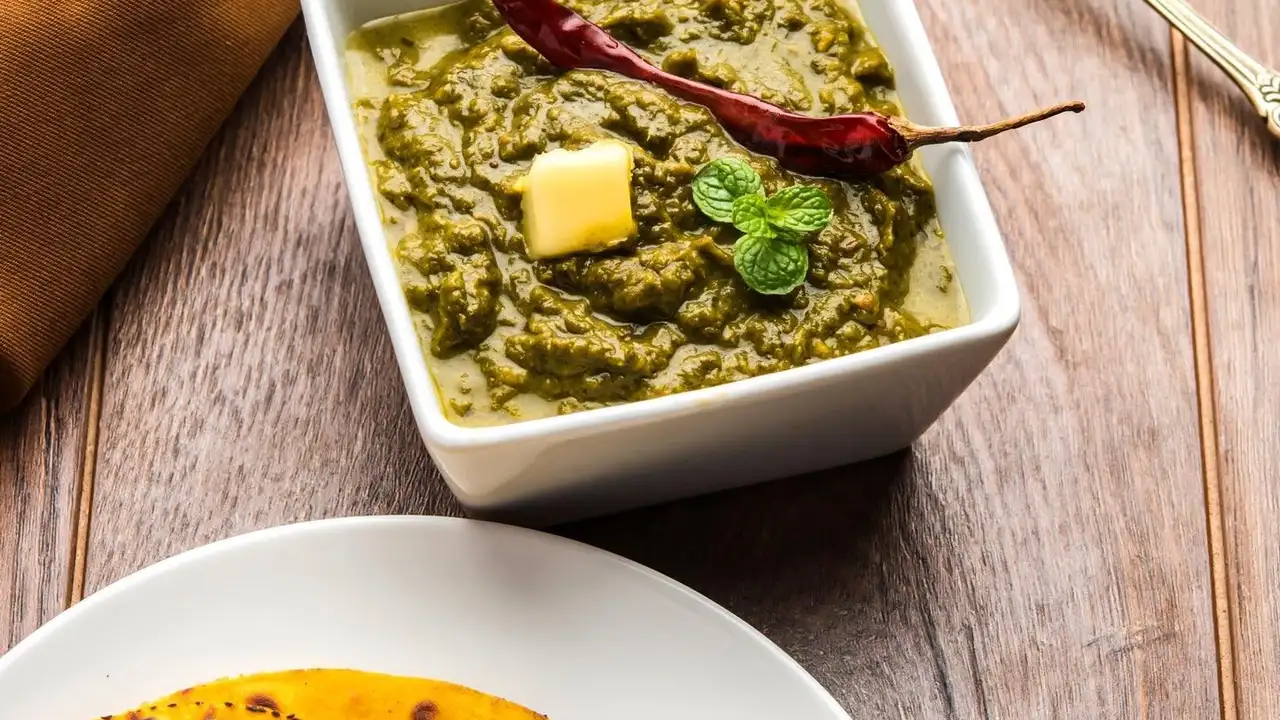
This winter delicacy from Punjab, made from mustard greens, is famously robust. When fresh, it has a distinct, slightly pungent flavour. After a day, this pungency mellows considerably. The flavours of ginger, garlic, and other greens in the mix blend together, creating a smoother, more rounded, and deeply earthy taste. The texture becomes creamier as the greens settle. Traditionally slow-cooked for hours, an extra day’s rest just enhances the slow-and-low character of this beloved dish.
7. Kerala Fish Curry
In many parts of Kerala, fish curry is intentionally made a day ahead. This is especially true for curries that use kodampuli (Malabar tamarind) for its distinct sourness. Overnight, the sharp tang of the tamarind mellows and beautifully infuses the fish, balancing the heat from the chillies and the richness of the coconut milk. The fish firms up slightly and soaks in all the complex flavours of the gravy, resulting in a perfectly balanced and incredibly flavourful curry that is impossible to achieve when eaten fresh.