




An Ancient Gut-Health Tradition
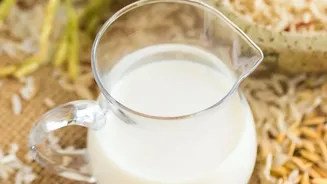
Fermented rice water is exactly what it sounds like: the liquid left over after rice has been soaked and allowed to ferment for a period, typically overnight or for up to 48 hours. This is not a new wellness fad but a generations-old practice in many
parts of Asia, including India, where it is known by various names like 'Panta Bhat' in Bengal, 'Neeragaram' in Tamil Nadu, and 'Kanjika' in Odisha. Traditionally considered a 'poor man's food', it was valued by farmers and labourers for the sustained energy and cooling hydration it provided during long days of work in the sun. The simple process unlocks a surprising level of nutrition, turning leftover rice into a beneficial drink.
The Probiotic Powerhouse Explained
The magic of this elixir lies in fermentation. This natural process encourages the growth of beneficial bacteria, such as Lactobacillus, turning the simple starchy water into a potent probiotic drink. These live microorganisms are celebrated for promoting a healthy gut microbiome, which is crucial for overall wellness. A balanced gut can lead to improved digestion, reduced bloating, and better absorption of nutrients from your food. Furthermore, studies have shown that fermenting rice increases the bioavailability of micronutrients like iron, calcium, and magnesium, meaning your body can absorb them more easily. It also produces beneficial compounds called postbiotics, which may help reduce inflammation.
An Alternative to the Morning Smoothie?
While it's unlikely to replace every smoothie, fermented rice water offers a compelling alternative for those seeking a lighter start to their day. Many morning smoothies can be dense, high in sugar, and heavy on the digestive system. In contrast, fermented rice water is light, hydrating, and focuses specifically on gut health. It provides electrolytes and a gentle boost of energy without the caloric load. Think of it less as a meal replacement and more as a morning tonic that prepares your digestive system for the day ahead. For those who find smoothies too filling or are looking to reduce their sugar intake, this traditional drink offers a minimalist, functional alternative.
How to Make Your Own at Home
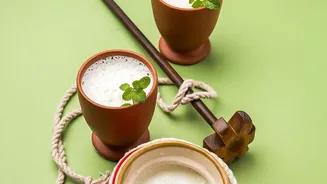
Creating this probiotic drink at home is incredibly simple. You only need cooked rice and water. For a basic preparation, take one part of leftover cooked rice (without salt or oil) and soak it in about two to three parts of water. Traditionally, an earthen or clay pot is used as it can enhance the fermentation process and keep the drink cool, but a clean glass jar will also work perfectly. Cover the container loosely and leave it on your counter at room temperature overnight, or for anywhere between 12 to 24 hours. You will know it's ready when it has a slightly tangy, sour smell. The liquid can then be strained and consumed.
Tips for Taste and Enjoyment
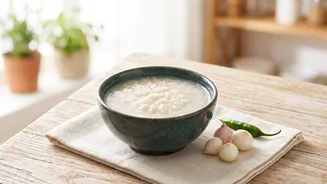
The taste of plain fermented rice water is an acquired one—mildly sour and tangy. To make it more palatable, many traditions include flavourful additions. A common practice in India is to mix the liquid with a pinch of salt, chopped small onions, and a green chilli. Some recipes also incorporate a tempering of mustard seeds and curry leaves. You can also blend it with a little buttermilk or curd to add a creamy texture and familiar flavour. It's best served chilled, especially during warmer months, making for a truly refreshing and revitalising drink to start your day or as a mid-afternoon pick-me-up.