






Beyond the Tourist Trail
When we travel, food is more than just fuel; it’s a direct line to the heart of a culture. Yet, many travellers find themselves eating in restaurants designed for tourists, tasting dishes that are delicious but often standardised. A growing movement in culinary
travel, however, pushes beyond this, inviting visitors into the most sacred of spaces: the local kitchen. This can take the form of a home-cooked meal shared with a family, a hands-on cooking class learning secret recipes, or a food tour led by a local who knows the hidden gems. These experiences prioritise connection and authenticity over convenience, offering a meal that tells a story.
A Taste of True Authenticity
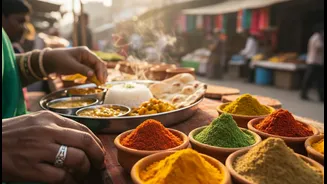
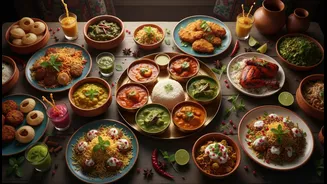
The single greatest advantage of dining in a local home is the authenticity of the food. Many of the most beloved Indian dishes are regional specialities or family recipes passed down through generations, flavours you simply won’t find in a typical restaurant. Hosts often prepare meals they cook for their own families, using seasonal ingredients from local markets. Whether it’s a fiery coastal fish curry in Kerala, a complex vegetarian thali in Gujarat, or a hearty meat dish from a Rajasthani family's repertoire, these meals are a genuine expression of regional identity. It’s an opportunity to understand the nuances of Indian cuisine, from the specific spices used in a particular community to the traditional cooking techniques that define a dish.
More Than Just a Meal: It's About Connection
While the food is the main attraction, the experience is profoundly social. Sharing a meal in someone's home breaks down the barrier between tourist and local. Conversations flow, stories are exchanged, and a genuine cultural connection is forged. Guests often learn about daily life, family traditions, and local customs in a way that’s impossible in a formal setting. Many travellers find that these interactions—learning about a host’s family, sharing laughter, and feeling like a welcome guest rather than a customer—become the most cherished memories of their trip.
How to Find Your Seat at the Table
Finding these local culinary experiences is easier than ever. Several platforms have emerged to connect travellers with local hosts. Companies like Authenticook and Traveling Spoon specialise in curating home-dining meals and cooking classes across India. They vet hosts to ensure a safe and welcoming environment, allowing you to browse experiences by city and cuisine. Many hosts offer different formats, from a simple shared dinner to an elaborate market tour followed by an interactive cooking lesson where you learn to prepare the dishes yourself. Beyond dedicated platforms, many local tour operators and even some homestays now offer cooking classes or meals with local families, recognising the growing desire for these personal encounters.
What to Expect as a Guest
It’s important to remember that this isn't a restaurant. You are a guest in someone’s home. The setting might be a modern apartment in Mumbai or a traditional home in Jaipur. The experience is meant to be personal and is often as much about the conversation as it is about the food. Arrive with an open mind and a respectful attitude. Engage with your hosts, ask questions about the food and their culture, and be gracious. Always inform your host of any dietary restrictions well in advance, as they are often happy to accommodate. While your host will ensure a comfortable experience, the true reward comes from embracing the informal, heartfelt hospitality that defines these encounters.