




In the grand theatre of Indian fruits, mango and papaya are headline acts. One is the undisputed 'King of Fruits', the other a year-round staple. But beyond their shared tropical heritage, how do they truly stack up in texture and ripeness?
A Tale of Two Textures
The most immediate
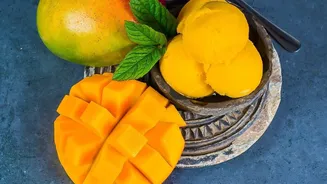
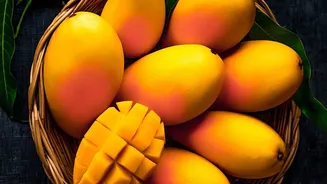
difference between a mango and a papaya is how they feel in your mouth. A ripe mango offers a dense, juicy, and often complex flesh. Depending on the variety, this can range from the buttery, non-fibrous bliss of an Alphonso to the slightly stringier, yet equally delicious, flesh of other types. Varieties like Banganapalli are known for their firm, fibreless pulp, while others can be softer and more yielding. In contrast, papaya presents a consistently soft, almost creamy or buttery texture. Its flesh is less dense than a mango's, with a consistency that some compare to cantaloupe or even avocado. This uniform softness is a hallmark of the fruit, a gentle melt-in-your-mouth experience without the fibrous interruptions that can characterise some mangoes.
The Art and Science of Ripeness
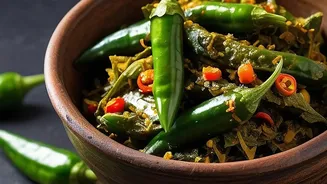
How these two fruits signal their readiness to eat is a crucial piece of kitchen knowledge. For mangoes, colour can be misleading; many varieties remain green even when ripe. The most reliable indicators are a gentle give when pressed lightly and a distinctly sweet, fragrant aroma at the stem end. Papayas, on the other hand, offer more visual cues. Their skin typically transforms from green to a vibrant yellow or orange as they ripen. A ripe papaya will also yield to gentle pressure. Internally, the difference is stark: a mango houses one large, flat, woody seed, while a papaya's central cavity is filled with a cluster of small, black, peppery seeds. Unripe, or green, versions of both fruits are culinary stars in their own right, offering a crisp texture and tart flavour perfect for salads and pickles.
A Nutritional Face-Off
Both fruits are nutritional powerhouses, but they excel in different areas. Papaya is the lighter option, containing fewer calories and significantly less sugar per 100g serving. It is a vitamin C champion, with a single serving often providing more than the daily recommended intake. It also contains papain, a unique enzyme known for aiding protein digestion. Mango, while higher in sugar and calories, brings its own strengths. It is richer in Vitamin A (through beta-carotene), Vitamin E, and folate. This makes mango an excellent choice for supporting eye and skin health. When it comes to dietary fibre, both fruits are virtually tied, making either a good choice for digestive wellness.
From Raw to Ripe in the Kitchen
The texture and state of ripeness dictate how each fruit is best used. The firm, tart crunch of green mango is the backbone of countless Indian pickles (achar) and tangy salads. As it ripens, its sweet, luscious pulp becomes perfect for lassis, smoothies, kulfi, and desserts. The velvety softness of a fully ripe mango can also add a buttery texture to curries. Green papaya is similarly celebrated in savoury dishes, particularly in Southeast Asian-style salads where its neutral, crisp nature absorbs dressings beautifully. Ripe papaya's mild sweetness and creamy texture make it a breakfast favourite, often eaten plain with a squeeze of lime to enhance its flavour. It's also a wonderful addition to fruit salads, smoothies, and desserts where its gentle flavour doesn't overpower other ingredients.