




Wash Less and a Little Cooler
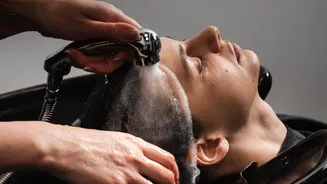
The single most effective way to protect your color is to wash your hair less frequently. Each wash can strip away a small amount of color, especially with hot water, which opens up the hair cuticle and allows pigment to escape. Aim to shampoo just two
or three times a week. On non-wash days, a dry shampoo can absorb oil at the roots, or you can simply rinse with water and apply conditioner to the ends. When you do wash, use lukewarm water and finish with a cool rinse to help seal the cuticle, which locks in both moisture and color.
Choose Your Shampoo Wisely
The products you use are just as important as your technique. The number one ingredient to avoid in shampoo for colored hair is sulfates. Sulfates are strong detergents that create a satisfying lather but are notorious for stripping color molecules along with dirt and oil. Opting for a sulfate-free, color-safe shampoo is a non-negotiable for preserving your shade. These gentler formulas cleanse effectively without being overly harsh, helping your color remain vibrant for longer. When you shampoo, focus the product on your scalp where oil accumulates, and let the lather run down the ends as you rinse.
Never Skip Conditioner
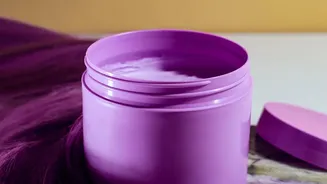
Coloring is a chemical process that can leave hair more porous and prone to dryness. Conditioner is crucial for smoothing the hair cuticle, replenishing moisture, and protecting your strands. After shampooing, gently squeeze excess water from your hair and apply a color-safe conditioner, focusing on the mid-lengths and ends. Leave it on for a few minutes before rinsing. For an extra boost of hydration, incorporate a deep conditioning mask into your routine once a week. These treatments are formulated with more concentrated ingredients to repair, moisturize, and add shine.
Handle Wet Hair with Care
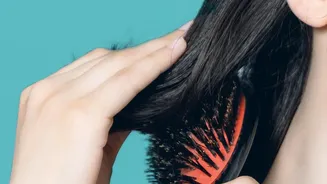
Wet hair is significantly more fragile than dry hair, and this is especially true for color-treated strands. After showering, avoid rubbing your hair vigorously with a towel. Instead, gently squeeze or pat it dry with a soft towel or an old t-shirt to minimize friction and frizz. When detangling, use a wide-tooth comb or a brush designed for wet hair, starting from the ends and working your way up to the roots to prevent breakage. Wet hair stretches more easily, so aggressive brushing can cause it to snap.
Defend Against Heat and Sun
Heat is a major enemy of hair color. Both styling tools and the sun's UV rays can cause significant fading. If you must use a blow dryer, straightener, or curling iron, always apply a heat protectant spray first. This creates a barrier that helps shield your hair from damage. Whenever possible, let your hair air dry or use the lowest heat setting on your tools. Similarly, the sun can bleach your hair and dull its tone. On sunny days, protect your hair by wearing a hat or using a leave-in product with UV filters.