




The Journey from Crude to Your Vehicle
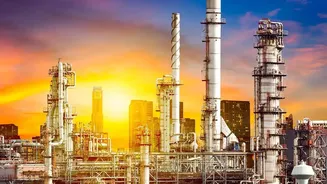
The connection begins with India's heavy reliance on imported oil. India imports around 85% of its crude oil, making the economy highly sensitive to global price fluctuations. This raw crude oil is processed in refineries to produce various fuels, including
petrol, diesel, and Aviation Turbine Fuel (ATF), which powers aircraft. When the price of this fundamental raw material increases due to geopolitical tensions, supply chain disruptions, or changes in demand, the cost of producing these essential fuels rises in tandem. This initial price hike is the first domino to fall in a chain reaction that ultimately reaches your wallet.
Why Your Flight Tickets Get More Expensive
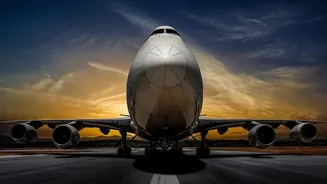
The most significant and immediate impact on a traveller's budget is seen in airfares. For airlines, Aviation Turbine Fuel (ATF) is one of their single largest operating expenses, historically accounting for 30-40% of their total costs. However, during periods of high crude prices, this figure can surge to as high as 55-60%. Airlines operate on thin margins, especially in a competitive market like India. They cannot absorb such a dramatic cost increase for long. As a result, they pass on the expense to customers, often through increased base fares or by adding a 'fuel surcharge'. Recent analyses have shown that sustained high crude prices could lead to international airfare hikes of anywhere from 5% to 20%, with long-haul routes being the most affected.
The Pain at the Pump for Road Travel
The effect isn't limited to air travel. A rise in crude oil prices directly translates to higher prices for petrol and diesel at the pump. This affects your travel budget in multiple ways. If you're planning a road trip, the cost of filling up your own car's tank will be noticeably higher. For those relying on app-based cabs or local taxis for sightseeing, drivers facing higher fuel costs will eventually see those costs reflected in their fares. Even inter-city bus services are impacted, as diesel is a primary cost for transport operators. This means every leg of your journey that involves a vehicle becomes more expensive.
The Hidden Costs: Hotels and Food
The impact of crude prices also ripples through the tourism ecosystem in less obvious ways. This is known as the transport multiplier effect. Hotels, restaurants, and activity providers all rely on transportation to receive their supplies, from fresh food and linens to equipment. When diesel prices rise, the cost of freight and logistics goes up. A hotel in a remote tourist destination has to pay more to get its daily produce, and a restaurant has to pay more for its ingredients. These increased operational costs are often passed on to the consumer, leading to higher prices for accommodation and meals. A larger portion of your budget gets consumed by transport, leaving less for lodging, shopping, and entertainment.
The Currency Double-Whammy
Another complicating factor is the exchange rate. Crude oil is traded internationally in U.S. dollars. If the Indian Rupee weakens against the dollar, India has to pay more rupees for the same barrel of oil, even if the dollar price of crude hasn't changed. This can amplify the effect of a global price spike, putting further pressure on domestic fuel prices. This currency risk means Indian travellers are vulnerable not just to oil market volatility but also to fluctuations in the foreign exchange market, creating a dual pressure on travel budgets.