


The Right Foundation: Pots and Soil
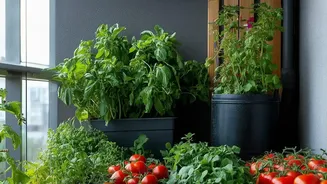
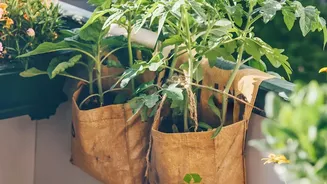
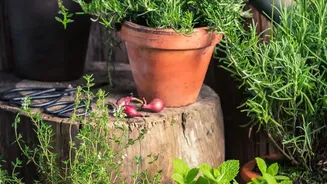
Before you even think about seeds or saplings, setting up the right home for your herbs is crucial for success. Choose pots with plenty of drainage holes at the bottom to prevent waterlogging, which can lead to root rot. Terracotta pots are an excellent
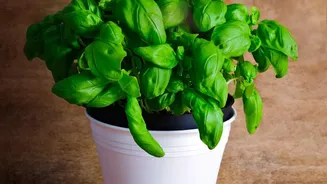
choice as their porous nature allows soil to breathe. For size, a 6-8 inch pot is a good start for individual basil and mint plants, while a curry leaf plant will eventually need a much larger, deeper pot to accommodate its root system. A high-quality, well-draining potting mix is your best friend. Look for mixes containing cocopeat, vermicompost, and perlite. This combination retains necessary moisture while allowing excess water to escape, provides essential organic nutrients, and keeps the soil light and airy for strong root development. You can find ready-made organic potting mixes designed specifically for Indian climates, which are perfect for container gardening.
Sweet Basil: The Sun-Loving Staple
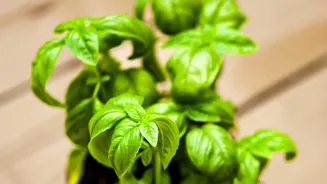
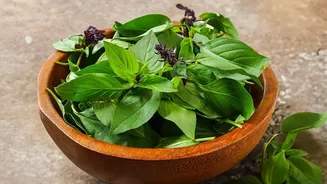
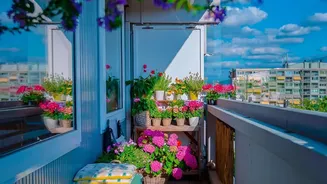
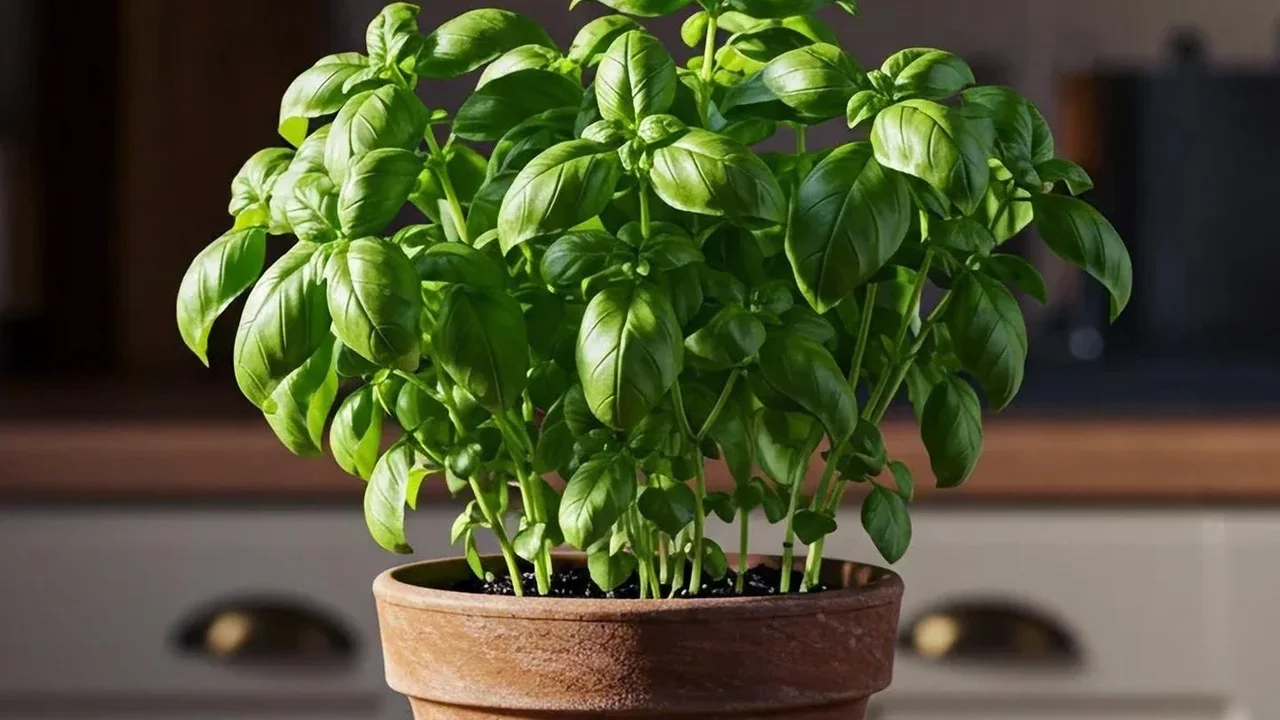
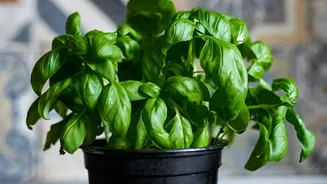
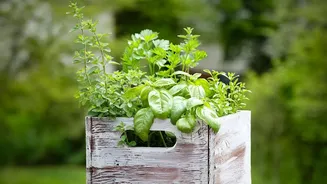
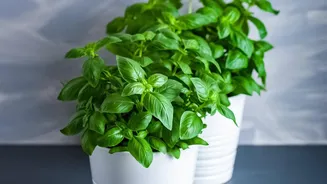
Basil is a cornerstone of many cuisines and surprisingly easy to grow, provided you give it what it wants: sun. This herb needs at least six to eight hours of direct sunlight every day to produce lush, flavourful leaves. A south or west-facing balcony is often ideal. When it comes to watering, basil is thirsty but hates wet feet. The key is to keep the soil consistently moist but not soggy. A good rule of thumb is to check the top inch of soil; if it feels dry, it's time to water. In the peak heat of Indian summers, a small pot of basil might even need watering daily. Harvest leaves regularly by pinching off the tops, just above a pair of leaves. This encourages the plant to become bushier and more productive, giving you a steady supply for your pesto and curries.
Pudina (Mint): The Vigorous Grower
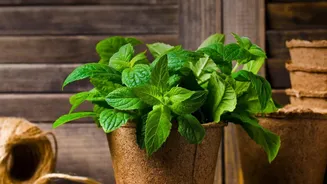
Fresh pudina for chutney or raita is a delight, and it’s one of the most forgiving herbs for beginners. Mint is a vigorous spreader, so keeping it in its own pot is highly recommended to prevent it from taking over your other plants. It's less demanding about sunlight than basil and can do well with a few hours of direct morning sun followed by indirect light for the rest of the day. Like basil, mint prefers consistently moist soil. During hot weather, check the soil daily and water whenever the surface starts to feel dry. Don't be afraid to harvest your mint often. Regular trimming encourages new, tender growth and keeps the plant compact and healthy. Even stems from the grocery store can be placed in a glass of water to sprout new roots within a week, giving you a new plant for free.
Curry Leaf Plant: The Flavour of India
No South Indian tadka is complete without the unique aroma of curry leaves (Kadi Patta). Growing this plant in a pot is very rewarding, though it requires a bit of patience. Curry leaf plants love warmth and sunshine, requiring at least three to six hours of direct sunlight. However, it's wise to protect them from the harsh afternoon sun in peak summer to prevent the leaves from scorching. Use a deep pot and a well-draining, slightly acidic soil mix. Water moderately, allowing the top inch or two of soil to dry out completely between waterings to avoid root rot. It's normal for the plant to enter a dormant phase and shed leaves during the cooler winter months, especially in North India; during this time, reduce watering significantly. Regular pruning of the tips will encourage a bushier plant rather than a single, leggy stem.
Basic Care and Pest Management
A healthy, well-watered plant with good sunlight is its own best defence against pests. The most common pests on balcony herbs in India are aphids, spider mites, and mealybugs. Often, a strong spray of water is enough to dislodge pests like aphids and spider mites. For more persistent issues, a simple, organic neem oil spray is highly effective and safe for edible plants. Mix 5ml of neem oil and a few drops of liquid soap with one litre of water, shake well, and spray on the tops and undersides of leaves in the evening. Avoid spraying in direct sunlight. Also, ensure good air circulation around your pots and remove any dead leaves or debris from the soil surface to prevent pests from making a home there.