


A Land Forged by Extremes
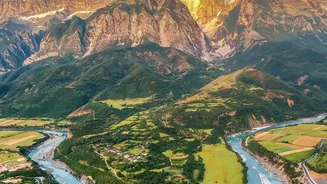
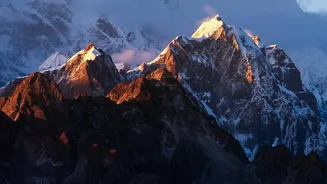
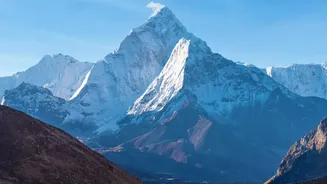
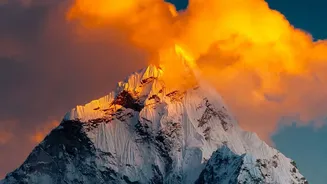
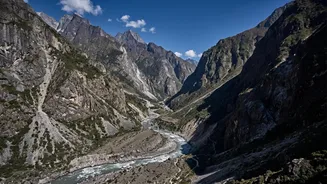
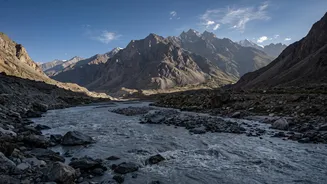
To understand the risk, you first have to picture Nepal's terrain. It's a country of dramatic verticality, rising from low plains to the highest peaks on Earth in a very short distance. This creates incredibly steep slopes and deep, narrow gorges. The
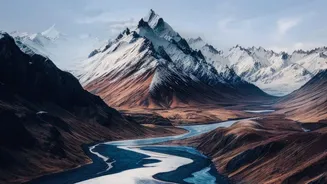
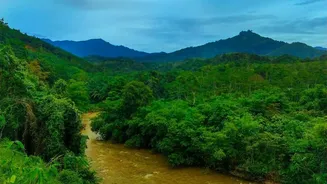
Himalayan mountains are geologically young and active, meaning the rock and soil are often unstable and prone to collapse. The major river systems, like the Koshi, Gandaki, and Karnali, originate high in the Himalayas, often in Tibet, and flow south with immense force, cutting through these mountains and creating some of the deepest valleys in the world. This topography is the first ingredient in a recipe for potential disaster.
The Arrival of the Monsoon
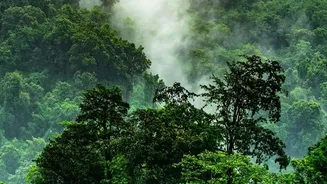
The second key ingredient is water—and lots of it. For roughly four months a year, from June to September, Nepal receives about 80% of its total annual rainfall during the South Asian monsoon. In recent years, experts have noted that climate change is making these rainfall patterns more erratic and intense. Instead of steady, prolonged rain, the region is seeing more extreme downpours that dump massive quantities of water in a very short period. One study noted that some areas have recorded rainfall in a single day equivalent to half the annual total for a city like London. This deluge is more than the landscape can often handle.
When Water and Gravity Collide
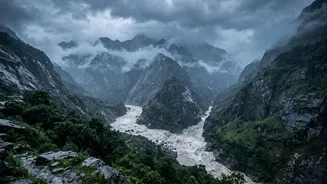
When intense rainfall hits Nepal's steep, unstable slopes, the ground quickly becomes saturated. This dramatically increases the risk of landslides, as the water-logged soil and rock lose their structural integrity and give way. Simultaneously, the narrow river valleys are forced to channel a volume of water they were not built to contain. This leads to flash floods, which are sudden, violent surges of water that can rise with terrifying speed. In a mountainous region, a flash flood isn't just rising water; it's a powerful torrent that moves with enough force to sweep away buildings, roads, and bridges.
More Than Just Water
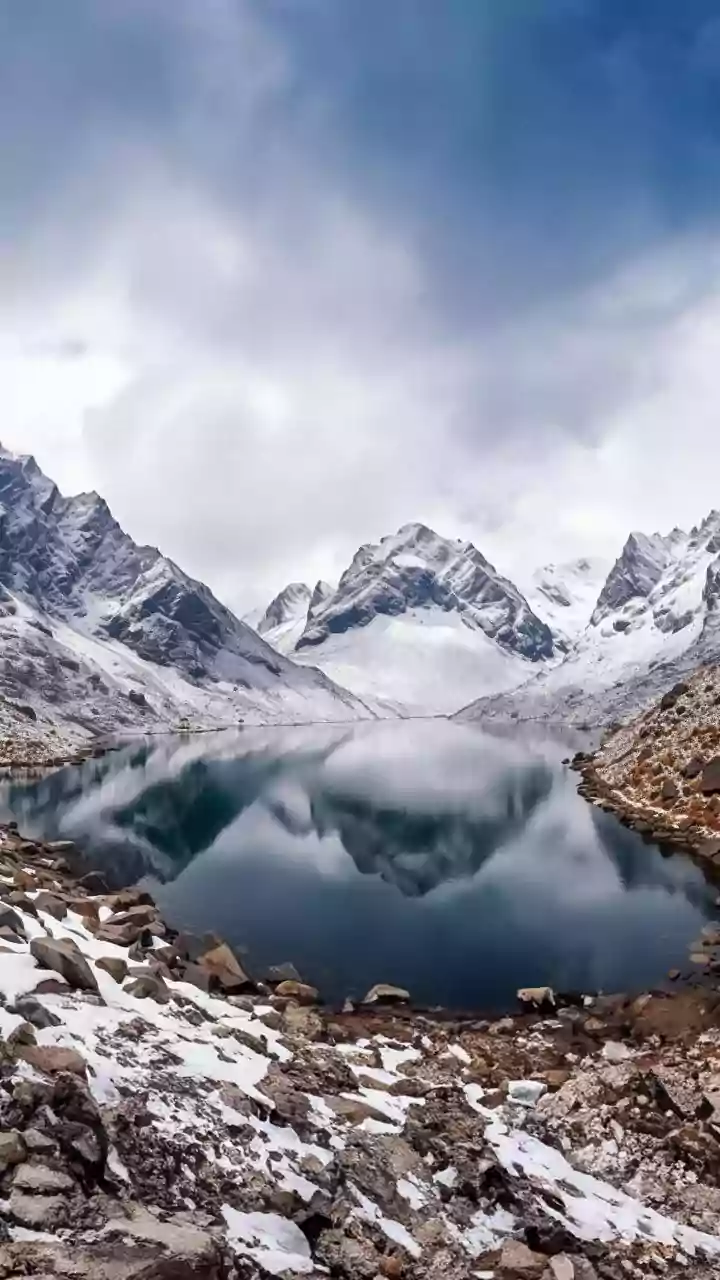
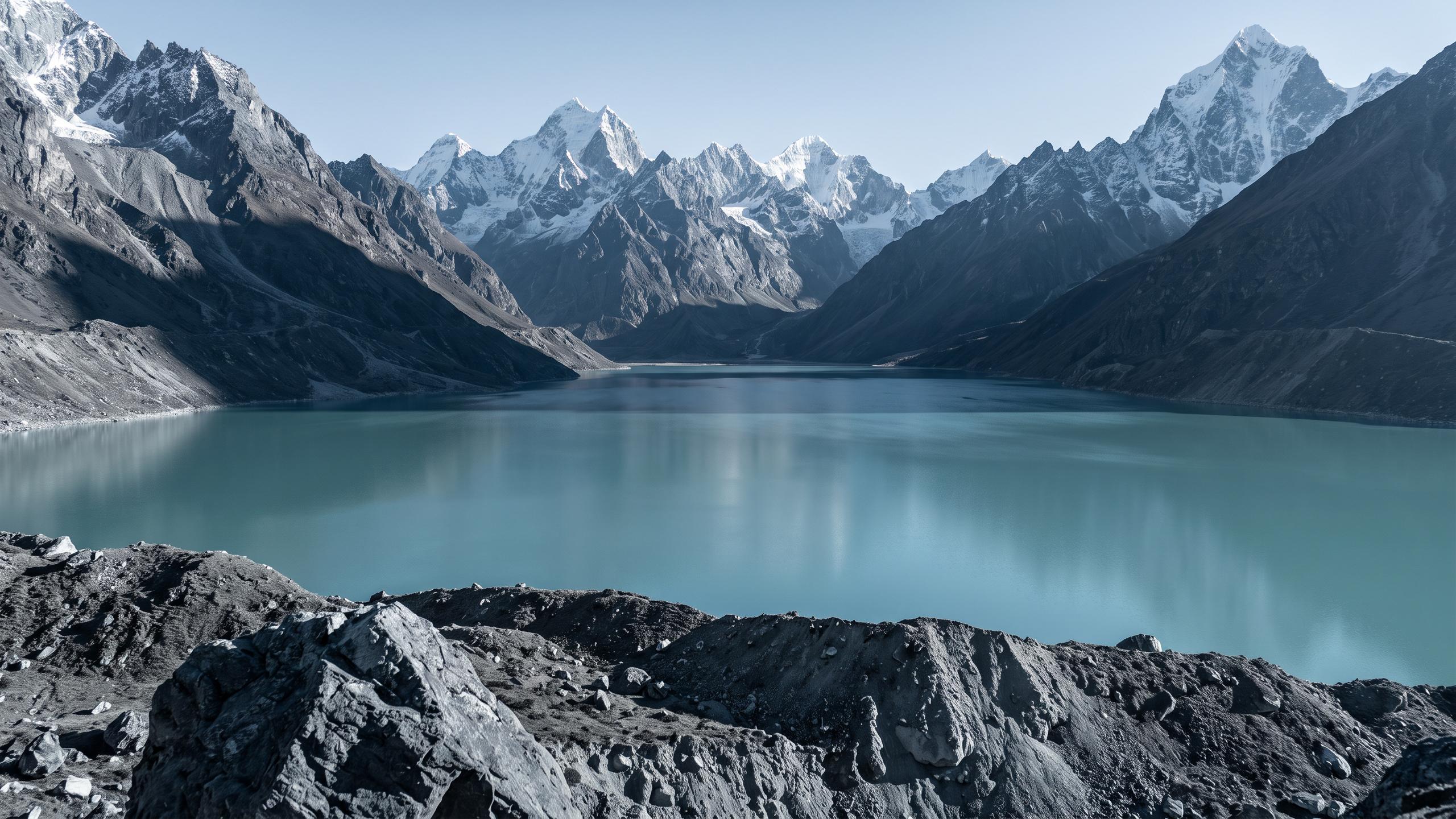
A key danger in Nepal's river valleys is that floods rarely consist of just water. When a landslide collapses into a river, it creates a debris flow—a thick, fast-moving slurry of mud, rocks, and uprooted trees. This mixture is far heavier and more destructive than water alone. It can scour the riverbed, picking up more boulders and sediment as it travels, growing in volume and destructive power. These debris flows can destroy infrastructure like hydropower dams and bury entire villages. In some cases, the trigger isn't even rainfall, but a glacial lake outburst flood (GLOF), where a natural dam holding back a glacial lake fails, releasing a devastating wall of water and debris downstream.
The Human Element
For centuries, communities in Nepal have settled along rivers. The valleys offer flatter land for agriculture, access to water for irrigation, and established trade routes. However, this proximity places homes and livelihoods directly in the path of these natural hazards. As populations grow, settlements have expanded, sometimes into floodplains and other high-risk zones. Haphazard road construction can further destabilize slopes, inadvertently increasing landslide risk. This combination of a vulnerable landscape, intensifying rainfall, and human settlement patterns creates a recurring and tragic cycle of disaster each monsoon season.