



Mumbai's 'Second Summer'
October in Mumbai is often called the 'second summer'. Following the withdrawal of the southwest monsoon, clear skies and reduced cloud cover allow for intense, direct sunshine. This, combined with high residual humidity from the rainy season, creates
a notoriously uncomfortable and sticky heat. This year has been no exception, with temperatures in early October soaring, sometimes several degrees above normal. This phenomenon is driven by changing post-monsoon wind patterns and a high-pressure area that suppresses the cooling sea breeze that normally provides relief to the coastal city. The result is a sharp spike in daytime temperatures, making the use of air conditioners not a luxury, but a necessity for millions, sending electricity demand soaring.
A Grid Pushed to Its Limits
The direct consequence of this heat is a massive surge in power consumption. Across Maharashtra, peak electricity demand has seen a significant jump compared to previous years, with officials noting the surge this October is unusually high. While Mumbai has its own specific demand patterns, the trend is clear: more heat means more air conditioning, which now accounts for a huge portion of residential and commercial power use. This pattern is fundamentally changing the city's electricity consumption profile. Demand no longer drops sharply at night, as AC units run continuously, putting the grid under sustained pressure for much longer periods than it was originally designed for. This relentless demand exposes every vulnerability in the city's complex power infrastructure.
Aging Cables and New Demands
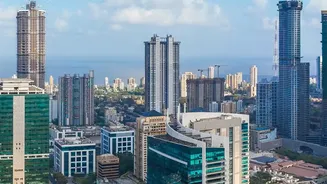
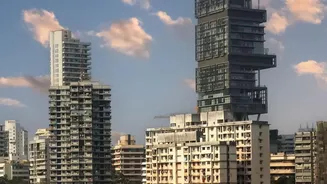
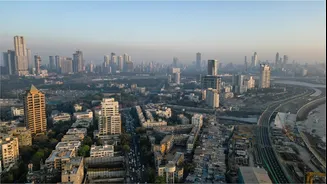
Mumbai's energy infrastructure is a mix of old and new, and the October heat is a harsh stress test. Experts have pointed to aging infrastructure, with some underground cables and transformers dating back decades, as a key point of failure. These older components are simply not equipped to handle the sustained high loads of a modern, air-conditioned megacity, leading to faults and localised outages. Compounding the problem is the city's rapid growth. The rise of power-hungry data centres, the expansion of the Metro network, and the increasing adoption of electric vehicles are adding massive, unprecedented loads to the grid. One power distributor projected that data centres alone would account for a majority of its demand increase by 2027. This means the grid isn't just serving more people; it's serving a more power-intensive economy, straining a system that already has little room for error.
The Consequence: Outages and Instability
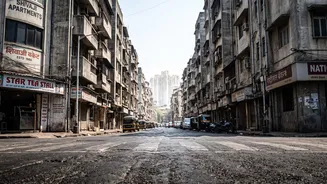
For residents, the strain on the grid translates into frustrating and disruptive power cuts. In recent years, faults in underground cables and overloaded transformers have led to outages lasting for hours in various parts of the city and its suburbs, from Dahisar to Girgaon. These are often not city-wide blackouts but a patchwork of local failures that can affect tens of thousands of consumers at a time. The impact goes beyond the inconvenience of no lights or fans; it affects water supply as pumps fail, disrupts work-from-home schedules, and can even lead to schools closing early. While authorities often manage to prevent widespread, scheduled load-shedding by procuring emergency power, the underlying fragility means localised, unexpected blackouts remain a constant threat during periods of high demand.
Upgrading for a Hotter Future
Addressing this recurring crisis requires more than just temporary fixes. Power companies are acutely aware of the challenge, with major players like Tata Power announcing significant, long-term investment plans. A recently unveiled ₹15,000 crore program aims to comprehensively upgrade and expand Mumbai's grid. The plan includes augmenting existing transmission networks, building new high-voltage substations, and creating a new 400-kV transmission ring to improve the flow of power across the city. A key focus of this expansion is to reliably meet the enormous energy needs of new data centres and AI infrastructure while also strengthening the network for all consumers. By increasing transmission capacity and integrating more green energy, the goal is to build a more resilient grid that is prepared for the inevitable heatwaves and rising demand of the future.