




Know Before You Go: Safety is Paramount
The magic of a monsoon waterfall comes with very real risks, and authorities have taken significant steps in 2026 to ensure public safety. Following a period of intense rainfall, district administrations across key tourist regions like Pune, Thane, Raigad,
and Satara have issued prohibitory orders. These are not mere suggestions; they are legally enforced bans on entering waterfalls, streams, and reservoirs to prevent accidents. Spots like Devkund, Lingmala, and Thoseghar, along with many destinations in Lonavala and Mahabaleshwar, have been temporarily closed or have restricted access. Before you even think of packing your bags, your first step must be to check the latest official advisories from the local district collector or forest department. Conditions can change rapidly, and a spot that was open yesterday might be off-limits today for your own protection.
Bhandardara: The Dam-Fed Spectacles
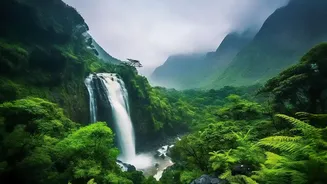
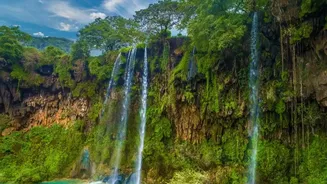
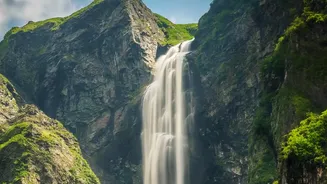
Nestled in the hills near Igatpuri, Bhandardara offers a powerful display of nature's force. The area is famous for Randha Falls and the seasonal Umbrella Falls. Randha Falls, formed by the Pravara River, crashes dramatically into a 170-foot gorge and can be viewed safely from a designated overlook. The Umbrella Falls is a unique spectacle that appears when the Wilson Dam overflows during peak monsoon, creating a beautiful umbrella-like shape. Since these falls are often admired from a distance and are tied to the dam's activity, they can be a safer option for sightseeing. The drive to Bhandardara itself is scenic, but always be mindful of slippery roads and potential closures in the ghat sections.
Dabhosa Waterfall: A Perennial Giant with a Modern View
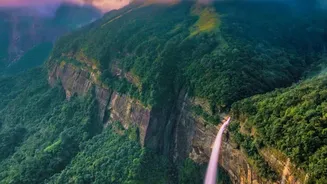
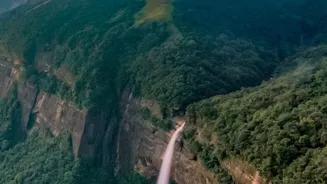
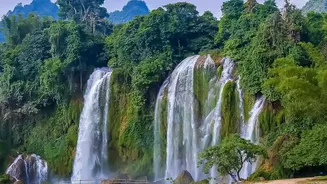
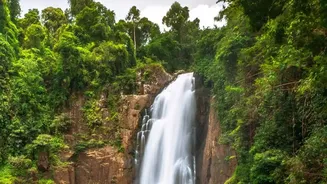
Located near Jawhar in the Palghar district, the Dabhosa Waterfall is one of the state's few perennial cascades, flowing year-round. During the monsoon, it transforms into a magnificent, roaring torrent plunging 300 feet into a rocky basin. What makes Dabhosa particularly appealing in the current climate is its infrastructure designed for safe viewing. A new glass bridge offers a thrilling top-down perspective of the cascade and the sweeping valley views. There is also an older bridge lower down that brings you closer to the spray and sound of the falls. This combination of raw natural power and secure viewpoints makes it a standout destination for those wanting to experience a majestic waterfall without venturing into restricted or dangerous terrain.
Lonavala’s Kune Falls: Admire From Afar
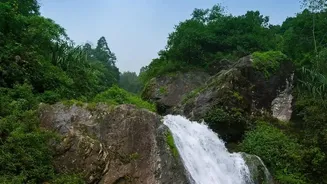
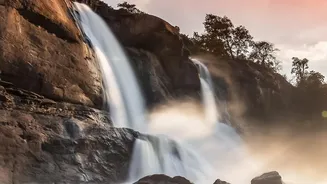
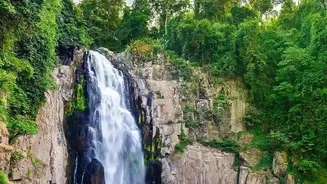
As one of Maharashtra's most famous three-tiered waterfalls, Kune Falls is a major attraction in the bustling Lonavala-Khandala region. Cascading from a height of about 200 metres, it is a stunning sight against the green backdrop of the Sahyadris. However, the Lonavala area is under strict monitoring, with authorities prohibiting entry into water bodies. The best and safest way to appreciate Kune Falls this season is from a distance. Several viewpoints along the old Mumbai-Pune highway allow you to witness its grandeur without taking unnecessary risks. Given the crowds and the restrictions, plan to visit on a weekday and treat it as a scenic photo opportunity rather than an interactive experience.
The Responsible Explorer’s Checklist
Enjoying the monsoon responsibly ensures that you and the natural environment remain safe. Before you head out, run through this essential checklist. First, always verify the latest rules. Check the official social media handles or websites of the district administration for any closures or prohibitory orders. Second, wear proper footwear with excellent grip. The rocks near any water body are treacherously slippery. Third, never underestimate the force of water. A calm-looking stream can turn into a dangerous torrent within minutes due to heavy rain in the upstream catchment area. Fourth, avoid taking selfies or photos near cliff edges or on slippery rocks. No picture is worth your life. Finally, travel in a group, inform your family of your itinerary, and carry a first-aid kit, extra water, and snacks. Mobile networks can be patchy in these areas, so do not rely on your phone for navigation or emergencies.