

The Great Indian Protein Push
A quiet revolution is unfolding in kitchens and shopping carts across India. Driven by rising health consciousness, fast-paced urban lifestyles, and a growing awareness of nutritional gaps, consumers are actively seeking out healthier food choices. At
the forefront of this change is a soaring demand for protein. No longer confined to the shaker bottles of gym enthusiasts, protein has become a mainstream wellness priority for everyone from busy professionals to health-minded families. Market data reflects this seismic shift, with the Indian healthy snacks market projected to grow significantly, reaching over USD 6 billion by 2030. This growth is fuelled by consumers who are moving away from traditional fried snacks towards nutrient-dense alternatives that offer functional benefits. According to a 2026 report, a staggering 86% of Indian consumers now consider protein an important factor when choosing snacks. This has created a fertile ground for food brands to innovate and cater to a new generation of label-conscious buyers.
From Traditional Twists to Modern Bites
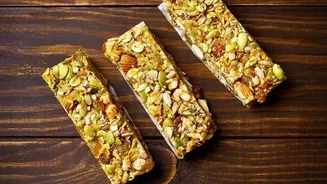
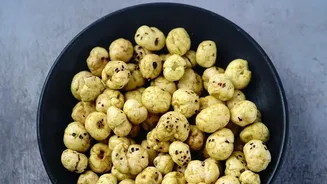
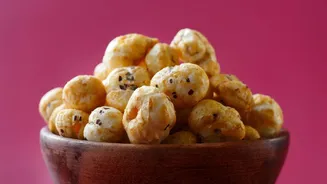
Brands are responding to this demand with a wave of innovative products that blend modern nutritional science with familiar Indian tastes. The strategy is twofold: reinventing traditional snacks and introducing entirely new formats. On one hand, timeless favourites are being given a high-protein upgrade. Roasted chana (chickpeas) and makhana (fox nuts), long considered healthy munchies, are being packaged and marketed with an emphasis on their protein content. Companies are also launching fortified versions of staples, like high-protein paneer, dosa batter, and even atta. On the other hand, a new category of modern protein snacks is booming. This includes everything from protein bars and cookies to savoury chips made from lentils, chickpeas, and peas. Startups like The Whole Truth, Yoga Bar, and FitFeast have become popular with their clean-label protein bars, while others like Origin Nutrition are innovating with formats like compression-popped pea chips. Even large FMCG players such as ITC, Parag Milk Foods, and Amul are expanding their portfolios to include protein-enriched yogurts, milkshakes, and snacks.
Catering to the Conscious Consumer
Today’s consumers, particularly millennials and Gen Z, are not just looking for protein; they are demanding transparency and quality. This has accelerated the clean-label trend, with a preference for products free from artificial additives and preservatives. There is also a significant move towards natural sweeteners, with a recent study showing that 61% of consumers prefer snacks sweetened with ingredients like dates or jaggery over refined sugar. Responding to this, brands are focusing on clear and honest ingredient lists. The rise of plant-based diets is another major factor, prompting the launch of snacks using protein from peas, soy, and lentils to cater to India's large vegetarian population. This consumer-driven shift is pushing brands to ensure their products are not only nutritious but also trustworthy and aligned with modern wellness values.
Challenges on the Path to the Pantry
Despite the booming demand, the journey from product development to a pantry staple is not without its hurdles. One of the biggest challenges is price. High-quality protein sources and premium ingredients make these snacks significantly more expensive than their traditional counterparts, which can be a barrier for a large segment of the price-sensitive Indian market. Taste and texture are also critical. Brands face the technical challenge of creating snacks that are high in protein without the chalky or dense mouthfeel sometimes associated with protein-fortified foods. Finally, consumer education remains key. While awareness is growing, many consumers still need to be convinced to swap their favourite indulgent snack for a healthier, pricier alternative. Success hinges on a brand's ability to deliver on taste, convenience, and nutritional value without compromise.