



Valley of Flowers, Uttarakhand: A Carpet of Blooms
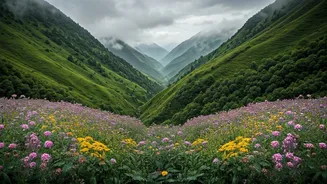
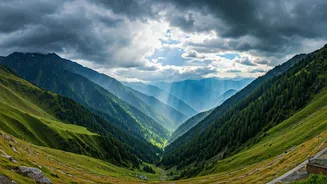
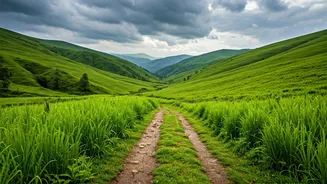
Aptly named, the Valley of Flowers National Park in Uttarakhand is a UNESCO World Heritage Site that truly comes alive during the monsoon. [14, 27] From July to September, the valley transforms into a breathtaking mosaic of over 600 species of wildflowers,
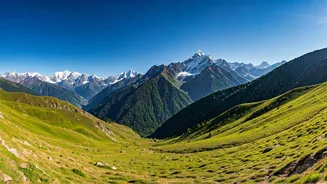
including the elusive blue poppy, cobra lilies, and Himalayan bellflowers. [8, 14, 27] The trek to this high-altitude valley, set against the backdrop of snow-capped peaks, is a rewarding experience. The monsoon rains feed cascading waterfalls and keep the temperatures cool and pleasant, ideal for trekking. [27, 32] While the trails can be muddy and wet, the spectacular floral display makes it a journey unlike any other, offering a serene connection with nature at its most vibrant. [8, 27]
Kasauli, Himachal Pradesh: Colonial Charm in the Mist
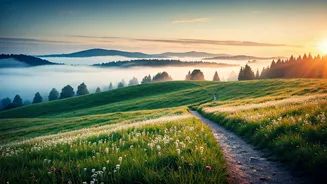
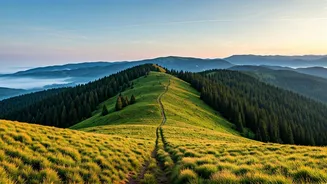
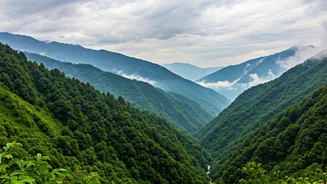
For those seeking a quieter, more accessible retreat, Kasauli in Himachal Pradesh is a perfect choice. [24, 29] During the monsoon months of July to September, this colonial-era hill station is draped in a romantic mist, with clouds often floating down its quiet, pine-lined roads. [11, 17, 29] The moderate rainfall washes the landscape, leaving it lush, green, and incredibly fresh. [11] It's the ideal season for long, peaceful nature walks on trails like the Gilbert Trail, though caution is advised on slippery paths. [17, 31] The rain-washed British-era architecture, combined with panoramic views of the hills, creates a tranquil and picturesque atmosphere that feels like a step back in time. [11]
Pahalgam, Jammu & Kashmir: A Verdant Paradise
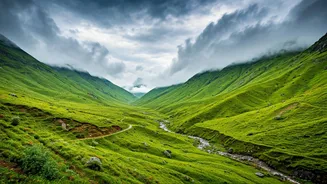
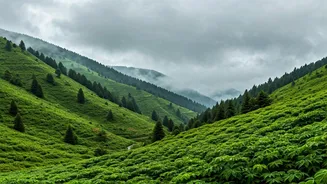
While many parts of the Himalayas experience heavy downpours, Pahalgam in Jammu and Kashmir receives more moderate rainfall, turning the landscape into a lush, green paradise without bringing life to a standstill. [7, 9] The monsoon, from July to September, rejuvenates the entire region. The Lidder River swells, meadows become incredibly vibrant, and the mist-covered mountains create an ethereal beauty. [9] It’s an excellent time for trekking to destinations like Aru Valley and Kolahoi Glacier, where the trails are surrounded by blooming flora and gushing streams. [9] Although it’s also the time for the Amarnath Yatra, which brings pilgrims to the area, the vast landscapes offer plenty of space for a tranquil escape. [7, 16]
McLeod Ganj, Himachal Pradesh: Spiritual and Scenic
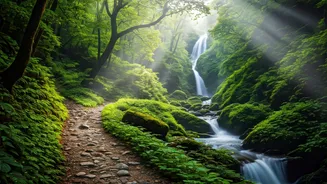
Home to the Dalai Lama, McLeod Ganj offers a unique blend of spiritual calm and vibrant culture, all enhanced by the monsoon's touch. [39] The rain brings a dramatic beauty to the Dhauladhar range, which looms over the town. Waterfalls like the Bhagsu Nag are at their most powerful and impressive. [39] While heavy rains can make some treks challenging, the atmosphere in the town itself is cozy and inviting. [23] You can spend rainy afternoons exploring the Tsuglagkhang Complex, meditating, joining a yoga session, or simply enjoying a hot drink in one of the many cafes with stunning mountain views. [40, 41] The post-monsoon months of September and October are particularly beautiful, with lush green surroundings. [41]
A Note on Monsoon Travel and Safety
The beauty of the monsoon in the hills comes with inherent risks. Landslides, roadblocks, and slippery conditions are common in states like Himachal Pradesh and Uttarakhand. [10, 20, 33] It is crucial for travellers to stay informed about weather forecasts and road conditions before and during their trip. [25, 35] Always opt for well-maintained roads and avoid remote trails during heavy downpours. [38] Pack waterproof gear, sturdy footwear, and a first-aid kit. [25, 34] Inform family or friends of your itinerary and be prepared for potential delays. [25] Travelling with a flexible schedule and a cautious mindset will ensure a safe and enjoyable experience of the monsoon's magic. [10]