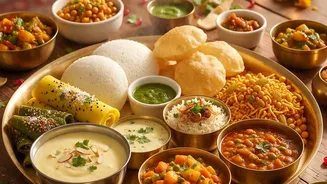







The next time you dine out in a major Indian city, look closer at the menu. Beyond the familiar curries, a quiet revolution is taking place, driven not by imported exotics, but by ingredients sourced from India’s own diverse backyard.
A Shift in the Urban Palate
For years, fine dining
in metropolitan India often meant ingredients flown in from across the globe. French butter, Italian cheese, and Californian avocados were symbols of luxury. Now, a growing movement among chefs is turning this idea on its head. They are championing a 'go local' philosophy, exploring the immense biodiversity of India to find flavours that are both unique and deeply rooted in the country's culinary heritage. This shift involves looking inward, rediscovering ingredients that were either confined to regional home kitchens or forgotten over time. The result is a dining experience that is more authentic, sustainable, and exciting for the urban consumer.
The Stars of the New Menu
So, what are these hyper-local heroes? Think of the fragrant Gondhoraj lime from Bengal, a citrus fruit so aromatic it can elevate a simple dish to something special. Or consider Kokum, a sour, dark-purple fruit from the western coast, now being used by chefs for its clean, berry-like acidity in everything from marinades to sorbets. From the Northeast comes the fiery Bhut Jolokia chilli and unique staples like Axone (fermented soybean). Chefs are also rediscovering the potential of millets, horse gram, and foraged produce like the lichen known as Kalpasi or stone flower, which imparts a smoky, earthy aroma to dishes. These ingredients are moving from rural markets and tribal pantries to the tables of the country's most ambitious restaurants.
Chefs as Culinary Explorers
This trend is being led by a generation of pioneering chefs who see themselves as much as storytellers and researchers as cooks. They are travelling to remote regions, from the mountains of Nagaland to the forests of central India, to connect directly with farmers and foraging communities. Chefs like Manish Mehrotra, formerly of Indian Accent, have long championed the elevation of regional dishes, while others like Chef Regi Mathew in Chennai and Chef Niyati Rao in Mumbai are building entire concepts around local sourcing. Their work involves more than just finding new ingredients; it's about understanding traditional cooking techniques and the cultural stories behind the food, then reinterpreting them with a modern sensibility for a wider audience.
More Than Just Food on a Plate
The impact of this hyper_local movement extends far beyond the restaurant kitchen. By creating a market for these ingredients, chefs are providing a crucial economic boost to local farmers and indigenous communities. This focus on native crops also plays a vital role in promoting agricultural biodiversity. For decades, Indian agriculture has been dominated by a handful of high_yield crops, often at the expense of thousands of traditional rice varieties and other native species. This move towards local sourcing helps preserve these heirloom varieties, making our food system more resilient and sustainable. As consumers become more conscious about where their food comes from, sustainability has become a key driver in the restaurant industry.