







The Familiar Monsoon Nightmare
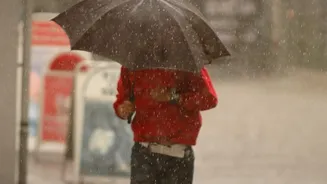
For millions living in cities like Mumbai, Bengaluru, Chennai, and Kolkata, the monsoon brings a mix of relief and dread. A sudden, intense downpour can quickly overwhelm decades-old drainage systems. The result is urban flooding — a chaotic scene of gridlocked
traffic, damaged property, and significant risk to public safety. This recurring problem is not just an inconvenience; it halts economic activity and strains municipal resources that are forced into a reactive cycle of rescue and repair, year after year. The core challenge has always been a lack of real-time information. Authorities often don't know which drains are blocked or which areas are nearing a tipping point until it's too late.
An Unseen Guardian in the Drains
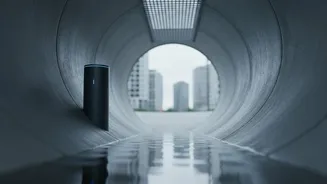
Enter the real-time water sensor. These small, rugged devices are the key components of an emerging high-tech defence against urban floods. Essentially, they are a network of digital eyes and ears deployed inside stormwater drains and manholes at critical, flood-prone locations. Using Internet of Things (IoT) technology, these sensors do one simple but revolutionary thing: they constantly measure the water level within the drain. Instead of relying on manual checks or waiting for citizens to report a flooded street, this technology provides a live, underground view of the city's water management nervous system.
How the System Works
The technology is surprisingly straightforward. Most sensors are compact, battery-operated, and sometimes solar-powered to ensure they work during power outages common in storms. They use conductive or capacitive probes to detect the water level. As water rises and touches these probes, the sensor registers the level and transmits this data wirelessly to a central control room. This happens in near real-time, often with updates sent every few minutes. This stream of data is fed into a central dashboard, creating a live map of the city's drainage performance. Officials can see, at a glance, which drains are flowing normally, which are filling up fast, and which have reached a critical level.
From Data to Decisive Action
This is where the system proves its worth. Live data transforms flood management from a guessing game into a proactive strategy. If sensors show a drain is full but it isn't raining heavily in that area, it likely indicates a blockage from silt or garbage. A maintenance crew can be dispatched to that exact spot before the next downpour causes a flood. If multiple sensors in a low-lying area show rapidly rising levels during a storm, authorities receive an early warning. This allows them to issue targeted alerts to citizens, deploy mobile water pumps to the most vulnerable spots, divert traffic, and prepare emergency response teams, sometimes hours in advance.
India's Cities Are Taking Notice
This isn't a distant future technology; it's being deployed across India. In Bengaluru, the Bruhat Bengaluru Mahanagara Palike (BBMP) has installed over a hundred sensors in flood-prone areas, giving authorities real-time data on water levels in stormwater drains. Chennai has launched a comprehensive real-time flood forecasting system that uses IoT sensors combined with GIS mapping and AI modelling to predict inundation at the street level. Similarly, cities like Gorakhpur and Kolkata are integrating sensor networks into their disaster management plans to provide early warnings and manage waterlogging more effectively. These systems, often developed in collaboration with premier institutions like the IITs, are creating a blueprint for smarter, more resilient urban centres.
The Future of Monsoon Management
While challenges in implementation and maintenance exist, the benefits are clear. Real-time sensors shift the focus from post-disaster recovery to pre-disaster prevention. The data collected over several seasons can also be used for long-term planning, helping engineers identify chronic chokepoints and redesign drainage infrastructure where it's needed most. By combining sensor data with AI-powered predictive models, cities can even forecast potential flooding up to 48 hours in advance, giving them an unprecedented advantage. This technology represents a crucial step in adapting our cities to the realities of climate change and more extreme weather patterns, ensuring that the monsoon can be welcomed for the life-giving rains it brings, not feared for the chaos it leaves behind.