

An Anxious Eye on the Sky
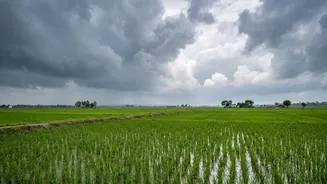
The Southwest Monsoon, the lifeblood of Indian agriculture, has been unpredictable in 2026. After a weak start in June, a July revival brought some relief, but August was again marked by uneven and deficient rainfall in many parts of the country. As of late
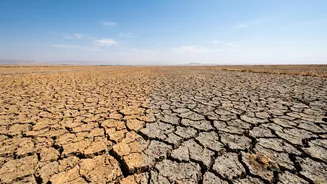
August, the cumulative rainfall deficit for the season hovered around 13-14%. Forecasters are now pointing towards a below-normal September, driven by strengthening El Niño conditions, which historically correlate with weaker monsoons in India. One private forecaster, Skymet, has projected September rainfall at just 80% of the long-period average. While a recent low-pressure system is bringing rain to central and eastern India, the overall outlook for the final month remains subdued, especially for peninsular India. This is a critical concern as September rains are vital for the maturity of standing Kharif crops and for ensuring adequate soil moisture for the upcoming Rabi (winter) planting season.
The Impact on Kharif Crops
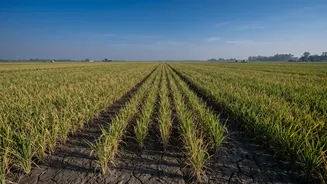
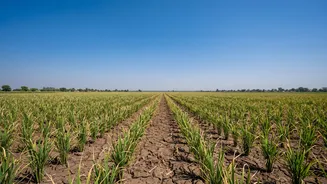
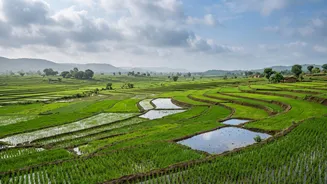
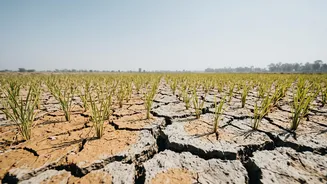
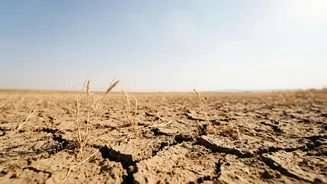
The Kharif sowing season, which is nearing completion, has already felt the impact of the erratic weather. As of late August, the total area sown with Kharif crops was trailing last year's figures by nearly 1.7-1.8%. The deficit is particularly notable in water-intensive crops like paddy (rice), where sowing was down by over 3% compared to the previous year. While sowing of pulses has been a bright spot, the overall picture for coarse cereals and oilseeds also shows a deficit. A dry September could now move the problem from sowing to yield. Crops like rice, soybeans, and pulses are in their crucial grain-filling and pod-development stages. Insufficient rainfall now can lead to stunted growth and significantly lower output, even in areas where sowing was timely. This threatens to turn a slight deficit in acreage into a more substantial deficit in production.
From Farm Fields to Market Mandis
Any reduction in crop output will inevitably be felt in the agricultural markets, or mandis. Lower production translates to tighter supply, which typically leads to price volatility and higher wholesale costs. Traders and middlemen may anticipate shortages, leading to hoarding, which can further exacerbate price increases. The government keeps a close watch on this, using tools like buffer stocks to manage supply, but a significant production shortfall can strain these reserves. Furthermore, water reservoir levels are already a concern. As of late August, storage in India's major reservoirs was reportedly about 18% below the level seen last year and also lower than the 10-year average, particularly in the southern and northern regions. This not only affects late-stage irrigation for Kharif crops but also has serious implications for water availability for the winter crops.
What It Means for Your Wallet
For the average consumer, the chain of events ends at the retail counter. A shortfall in agricultural production, especially of staples like rice, pulses, and vegetables, puts direct upward pressure on food inflation. Economists are already warning that a weak end to the monsoon could push the headline inflation rate higher. Some analysts project that food inflation, which stood at 5.52% in July, could rise further, with one bank's report suggesting that overall FY27 inflation could climb to 5.5% or more if September rains fail significantly. This means the cost of your daily meals could increase. Rising food prices have a disproportionate impact on household budgets, especially for lower-income families, and can also weigh on overall economic growth by reducing rural consumption demand. While some vegetable price spikes might be temporary, a poor Kharif harvest has a more sustained impact on the food economy.