




In the quest for effective exercise, we often weigh the simple, steady walk against the energetic, intense skip. Both promise results, but they are far from interchangeable. So, which is right for you? It's not just about burning calories.
The Case for Walking: A Low-Impact Powerhouse
Walking is perhaps
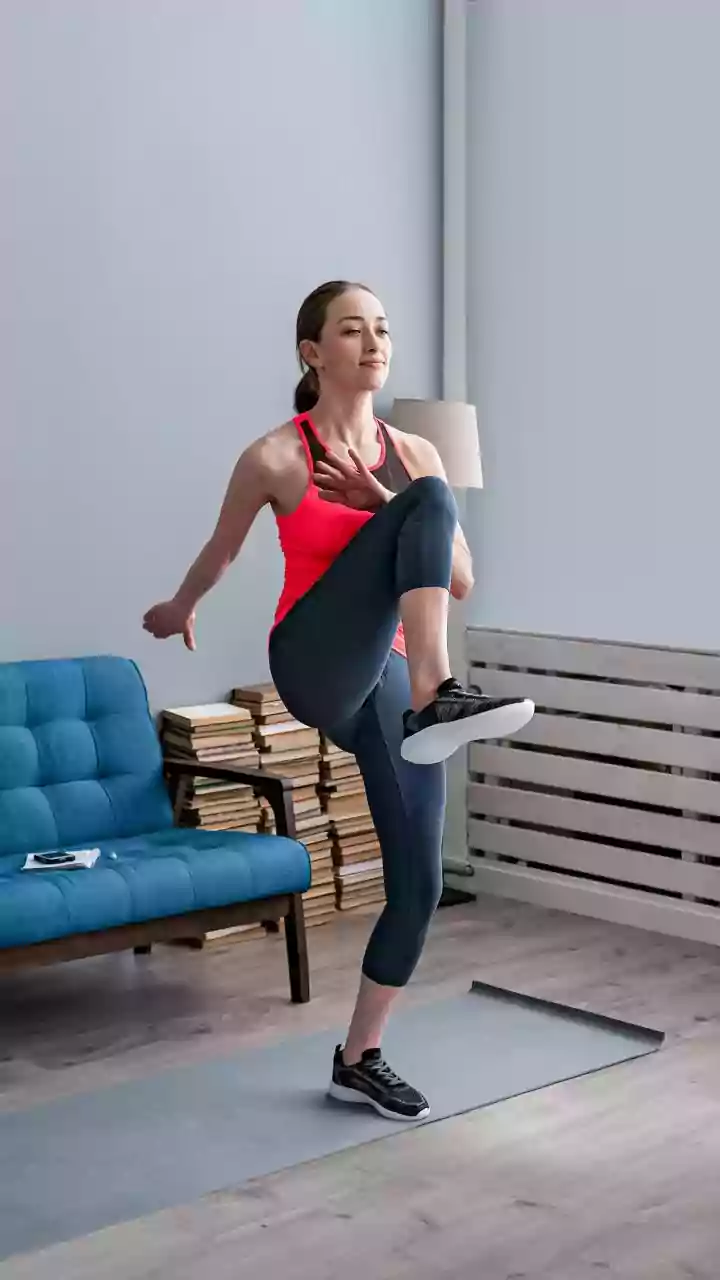
the most accessible form of exercise. It requires no special equipment, can be done almost anywhere, and is gentle on the body. As a low-impact activity, one foot remains on the ground at all times, which significantly reduces the stress on your joints, including your knees, hips, and ankles. This makes it an ideal starting point for fitness beginners or those carrying extra weight. Beyond its physical ease, walking is a formidable tool for health. Brisk walking elevates your heart rate, contributing to cardiovascular fitness and supporting weight management by creating a sustainable calorie deficit. It's also celebrated for its mental health benefits, offering a chance to clear your head, reduce stress, and connect with your environment. For anyone seeking a consistent, safe, and effective way to stay active, walking is a reliable foundation.
The Allure of Skipping: High-Intensity Efficiency
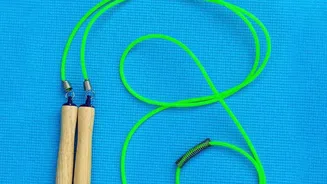
Skipping, or jumping rope, is a high-intensity workout that delivers impressive results in a short amount of time. Minute for minute, it burns significantly more calories than walking. This efficiency is a major draw for those with busy schedules. The benefits extend beyond calorie burn; skipping is excellent for improving cardiovascular health, stamina, and coordination. The high-impact nature of jumping also helps in building bone density, as the stress applied to your bones during the exercise can stimulate them to become stronger. This is a crucial benefit for slowing the natural bone loss that occurs with age. For those who are fit enough to handle the impact, skipping offers a powerful and efficient full-body workout that engages your legs, core, and even your arms and shoulders.
When Higher Impact Becomes a Higher Risk
Despite its benefits, the high-impact nature of skipping is precisely why it isn't suitable for everyone. High-impact movements can create a force on your body equal to roughly 2.5 times your body weight, placing significant stress on joints, ligaments, and tendons. This increases the risk of both immediate and overuse injuries, such as shin splints or joint pain. For individuals with pre-existing joint conditions like arthritis, this repeated impact can exacerbate pain and inflammation. Similarly, people with osteoporosis (low bone density) might be at a higher risk of fractures from such activities, and should consult a doctor before attempting high-impact exercise. The intensity can also be a concern for those with certain heart conditions or uncontrolled high blood pressure, as skipping rapidly elevates heart rate and blood pressure.
Listen to Your Body: Who Should Choose Walking?
Walking is the unequivocally safer and often wiser choice in several scenarios. If you are a complete beginner to exercise, starting with walking allows you to build a fitness base without the high risk of injury. It is also the recommended option for individuals recovering from an injury or surgery, as it provides a way to stay active while protecting vulnerable structures. Pregnant women are often advised to stick to low-impact exercises like walking to avoid unnecessary stress on the body. Furthermore, anyone experiencing chronic pain in their knees, hips, or back will likely find walking a more comfortable and sustainable activity. The gentle nature of walking allows you to maintain fitness, manage weight, and enjoy movement without paying the price of pain and potential injury.
How to Approach Skipping Safely
If you are healthy and clear of the conditions mentioned above, you might be ready to incorporate skipping into your routine. The key is to start smart. Proper form is crucial to minimise risk. Aim to jump just an inch or two off the ground, landing softly on the balls of your feet with your knees slightly bent. Avoid jumping too high or making excessive arm movements, which wastes energy and can lead to poor form. Beginners should start with very short intervals, such as 30 seconds of skipping followed by 30 seconds of rest, and gradually increase the duration over several weeks. This gives your tendons, ligaments, and bones time to adapt to the new stress. Using a quality jump rope and wearing supportive shoes can also make a significant difference.