


The Plant-Based Iron Challenge
Iron is crucial for energy and transporting oxygen in your blood, but not all iron is created equal. Animal products contain 'heme' iron, which our bodies absorb easily. Plants, on the other hand, provide 'non-heme' iron. While abundant in foods like
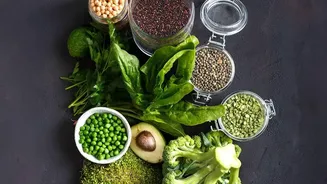
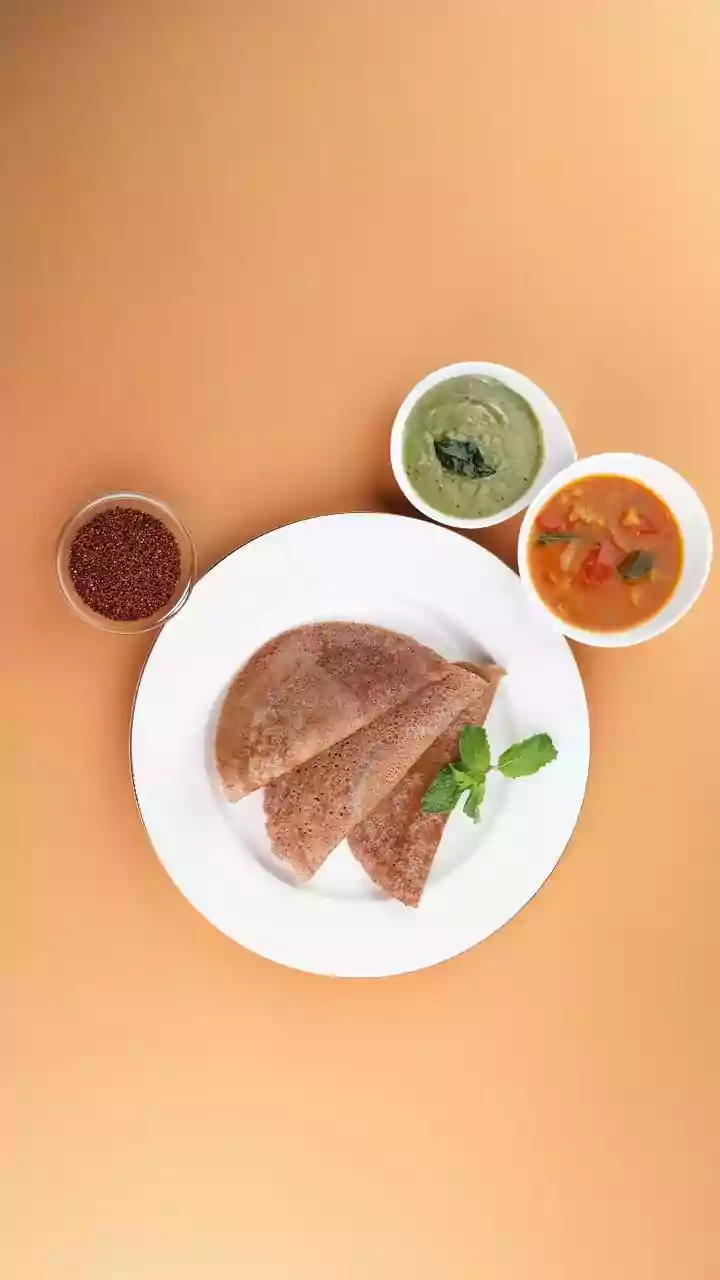
lentils, beans, tofu, and leafy greens, non-heme iron is less bioavailable, meaning our bodies have a harder time absorbing it. This is a key reason why those on vegetarian or vegan diets need to be strategic about their iron intake to avoid deficiency, which can lead to fatigue, dizziness, and other symptoms.
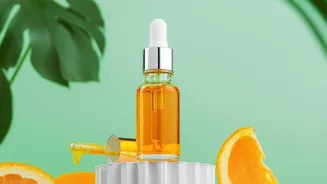
Vitamin C: Your Absorption Superpower
This is where Vitamin C, also known as ascorbic acid, comes in as a true superhero. Consuming Vitamin C alongside iron-rich plant foods can dramatically increase how much non-heme iron your body absorbs. The science is compelling: Vitamin C converts non-heme iron into a form that is more easily taken up by your gut. While the headline's claim of 'doubling' absorption is a simplification, the effect is significant. Studies show that adding even a modest amount of Vitamin C (as little as 25-100mg) to a meal can increase iron absorption by up to four times. Other studies note a 67% increase, highlighting that a small change can yield a major nutritional benefit.
Beyond Citrus and Greens
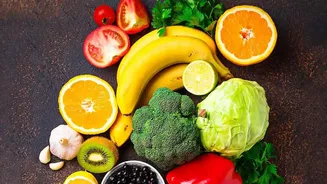
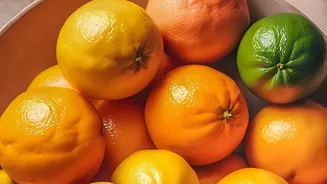
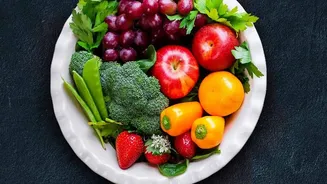
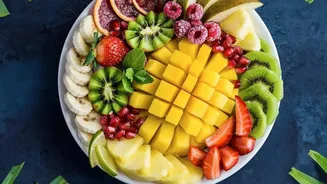
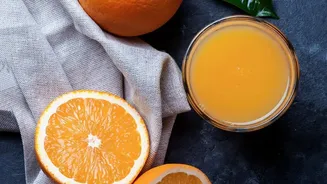
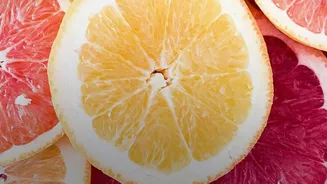
While citrus fruits and green vegetables are a classic and effective pairing, the world of Vitamin C is vast and vibrant. Don't limit yourself to just oranges and spinach. Many other foods are packed with this essential vitamin and can help boost your iron uptake. Excellent sources of Vitamin C include bell peppers (especially red and yellow), strawberries, broccoli, tomatoes, kiwi, and mangoes. This gives you a wide palette of flavours and textures to work with. For example, a half-cup of bell peppers can provide over 95mg of Vitamin C, more than a medium orange.
Building the Perfect Plate: Delicious Pairings
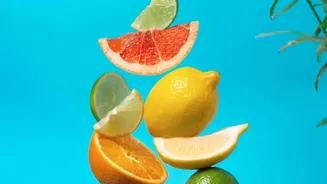
Putting this knowledge into practice is both easy and delicious. The goal is to simply include a source of Vitamin C in the same meal as your iron-rich plant foods. Think about adding a squeeze of lemon or lime over your meals, or incorporating a C-rich vegetable or fruit into the dish itself.
Some powerful and tasty combinations include:
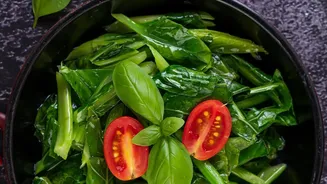
- A spinach salad (iron) with a lemon-tahini dressing and sliced strawberries (Vitamin C).
- Lentil soup (iron) prepared with a tomato base (Vitamin C).
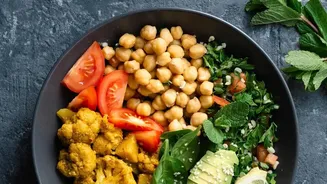
- A tofu or chickpea stir-fry (iron) loaded with broccoli and red bell peppers (Vitamin C).
- Oatmeal (iron) topped with a handful of fresh berries or a side of kiwi (Vitamin C).
- Black bean tacos (iron) with a generous helping of fresh salsa and a squeeze of lime (Vitamin C).
Watch Out for Absorption Blockers
Just as Vitamin C can enhance iron absorption, other compounds can inhibit it. These 'anti-nutrients' are naturally present in many healthy plant foods. Phytates, found in whole grains, legumes, and nuts, can reduce iron absorption. Similarly, tannins in coffee and tea, and calcium from dairy or supplements, can also interfere. This doesn't mean you should avoid these foods. Instead, be mindful of timing. Try to avoid drinking coffee or tea within an hour of an iron-rich meal. If you take calcium supplements, it is best to take them at a different time of day than your main iron sources.