


Neglecting Paw Care
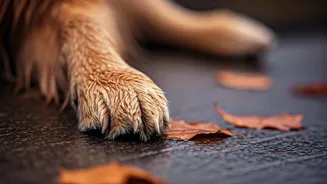
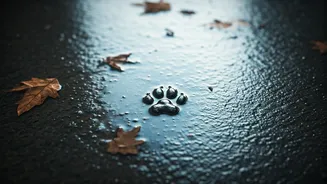
Puddles are an unavoidable part of monsoon walks. But the biggest mistake is forgetting about your pet’s paws afterwards. Constantly damp paws are a breeding ground for fungal and bacterial infections, leading to painful inflammation and itching. The
skin between their toes can become raw and infected. Always wash your pet’s paws with lukewarm water and a mild antiseptic solution after every walk. Most importantly, pat them completely dry with a towel, paying special attention to the area between the paw pads. Trimming the fur around the paws can also help them dry faster and prevent mud from getting caked in.
Skipping Parasite Prevention
Many owners think that since their pet is spending more time indoors, they can relax their anti-tick and flea regimen. This is a critical error. The high humidity of the monsoon creates a perfect environment for parasites to thrive. Ticks, fleas, and mosquitoes multiply rapidly. These pests aren't just an annoyance; they carry dangerous diseases, from tick fever to heartworm. Stick rigorously to your vet-recommended monthly parasite prevention schedule. A thorough check of your pet’s coat after any time spent outdoors, no matter how brief, is also a non-negotiable habit during this season.
Ignoring Skin and Coat Health
A dog’s coat can trap moisture for hours, especially if they have thick fur. This constant dampness can lead to a host of skin issues, including acute moist dermatitis, commonly known as 'hotspots'. These are painful, red, and inflamed areas of skin that can appear very quickly. To avoid this, make sure your pet is thoroughly dried after any exposure to rain. A quick towel-off isn't enough; you may need to use a hairdryer on a low, cool setting. Regular brushing is also essential to prevent matting, improve air circulation to the skin, and remove any debris collected during walks.
Letting Them Drink from Puddles
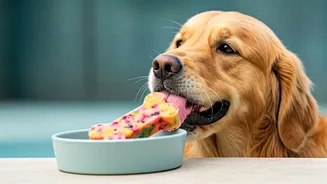
A refreshing-looking puddle on a hot, humid day can be tempting for a thirsty dog. However, this stagnant water is a cocktail of contaminants. It can contain everything from animal waste and chemical runoff to dangerous bacteria like Leptospira and protozoa like Giardia, both of which can cause severe gastrointestinal illness. Always carry a bottle of fresh water and a collapsible bowl for your pet on walks. Train a solid 'leave it' command to stop them from drinking from unsafe sources. At home, ensure their water bowl is cleaned daily and filled with fresh, filtered water.
Forgetting About Indoor Enrichment
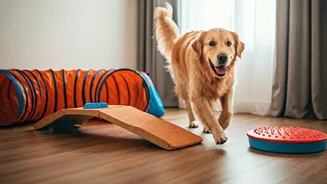
Shorter or cancelled walks due to heavy rain can lead to a bored, frustrated, and destructive pet. All that pent-up energy has to go somewhere. The mistake is assuming your pet is fine just lounging around. They need mental stimulation just as much as physical exercise. Invest in puzzle toys, snuffle mats, or create a scavenger hunt by hiding treats around the house. Short, fun training sessions to reinforce old commands or teach new tricks are also a great way to engage their brain and strengthen your bond. A mentally tired dog is a happy dog.
Underestimating Thunder Anxiety
The loud cracks of thunder and flashes of lightning that accompany monsoon storms can be terrifying for many pets. Ignoring their fear, or worse, punishing them for trembling or hiding, will only worsen their anxiety. Instead, create a safe and comfortable 'den' for them in a quiet part of the house, like a closet or a crate covered with a blanket. Play some calming classical music or white noise to muffle the storm sounds. Distracting them with a high-value chew toy can also help. For severe anxiety, an anxiety vest or a consultation with your vet for calming supplements may be necessary.