




Understand the Enemy: Moisture
That stuffy, damp smell is primarily caused by the growth of mould and mildew, which thrive in humid conditions. During the monsoon, ambient humidity skyrockets, and when combined with limited sunlight and ventilation, it creates the perfect breeding
ground inside our homes. Moisture can seep into walls, furniture, and fabrics, leading to that unmistakable odour. The first step to a fresher home isn't just masking the smell but tackling the root cause: excess moisture. Regularly checking for and fixing leaks in pipes or around windows is a crucial starting point. Even simple daily activities like cooking and showering add moisture to the air, making proactive control essential.
Let Your Home Breathe
Improving airflow is one of the most effective strategies against dampness. Make it a habit to open windows and doors for at least 15-20 minutes daily, especially on the rare sunny or breezy day. This practice, known as cross-ventilation, pushes out stale, humid air and pulls in fresh air. If you have exhaust fans in your kitchen and bathrooms, use them religiously. Ensure they are vented to the outside and not just into the attic or ceiling space. For rooms that feel particularly stuffy, a simple table fan can also help circulate the air and prevent moisture from settling on surfaces.
DIY Dehumidifying Solutions
While an electric dehumidifier is a powerful tool, several low-cost, natural alternatives can make a significant difference. Sea salt and activated charcoal are excellent natural moisture absorbers. You can place bowls of sea salt or charcoal briquettes in damp corners, inside wardrobes, or near shoe racks. The porous nature of these materials allows them to trap moisture from the air. Remember to replace the salt every few days as it becomes saturated. Activated charcoal is particularly effective and can often be 'recharged' by placing it in direct sunlight for a few hours.
Neutralise Odours Naturally
Instead of masking musty smells with artificial air fresheners, which can be overpowering, use natural odour neutralisers. Camphor, a staple in many Indian households, is brilliant for this. It not only absorbs moisture but also has a clean, crisp fragrance and repels insects. You can burn a few pieces in a closed room for about 15 minutes or simply place camphor balls in cupboards and drawers. White vinegar is another powerful, albeit pungent, odour fighter. Placing a bowl of vinegar in a room for a few hours can help absorb and eliminate strong smells; the vinegar scent itself will dissipate once you remove it. Sprinkling baking soda on carpets and upholstery, letting it sit, and then vacuuming is another effective trick.
Mind Your Wardrobes and Linens
Closets and drawers are hotspots for musty odours because they are enclosed and dark. Never store damp or semi-dry clothes inside. If you must dry laundry indoors, ensure the room is as well-ventilated as possible. Tuck camphor balls, silica gel packs, or small cloth bags filled with dried neem leaves into the corners of your wardrobes to keep fabrics fresh and free from fungus. Periodically, on a dry day, leave your cupboard doors open for a few hours to air them out. It's also wise to sun your mattresses, pillows, and heavy blankets whenever you get a chance, as sunlight is a natural disinfectant.
The Power of Indoor Plants
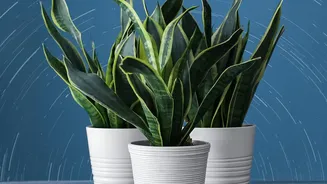
Certain houseplants can act as natural, living air purifiers and dehumidifiers. Plants like peace lilies, ferns, snake plants, and English ivy are known to absorb moisture from the air through their leaves. Not only do they help reduce that sticky monsoon feeling and improve air quality, but they also add a touch of green beauty to your indoor space, making it feel fresher and more vibrant during the greyest days of the season.