

What You Are Looking For
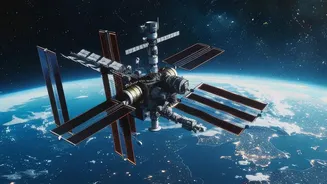
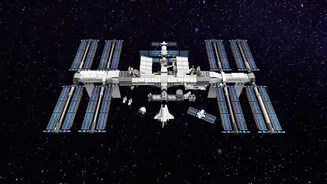
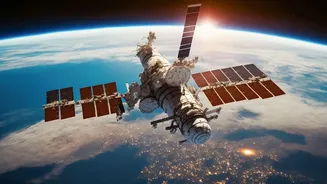
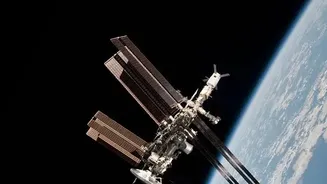
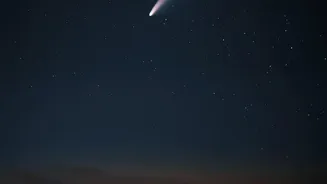
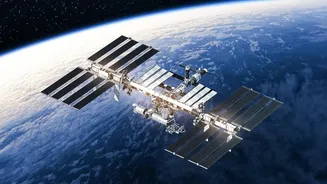
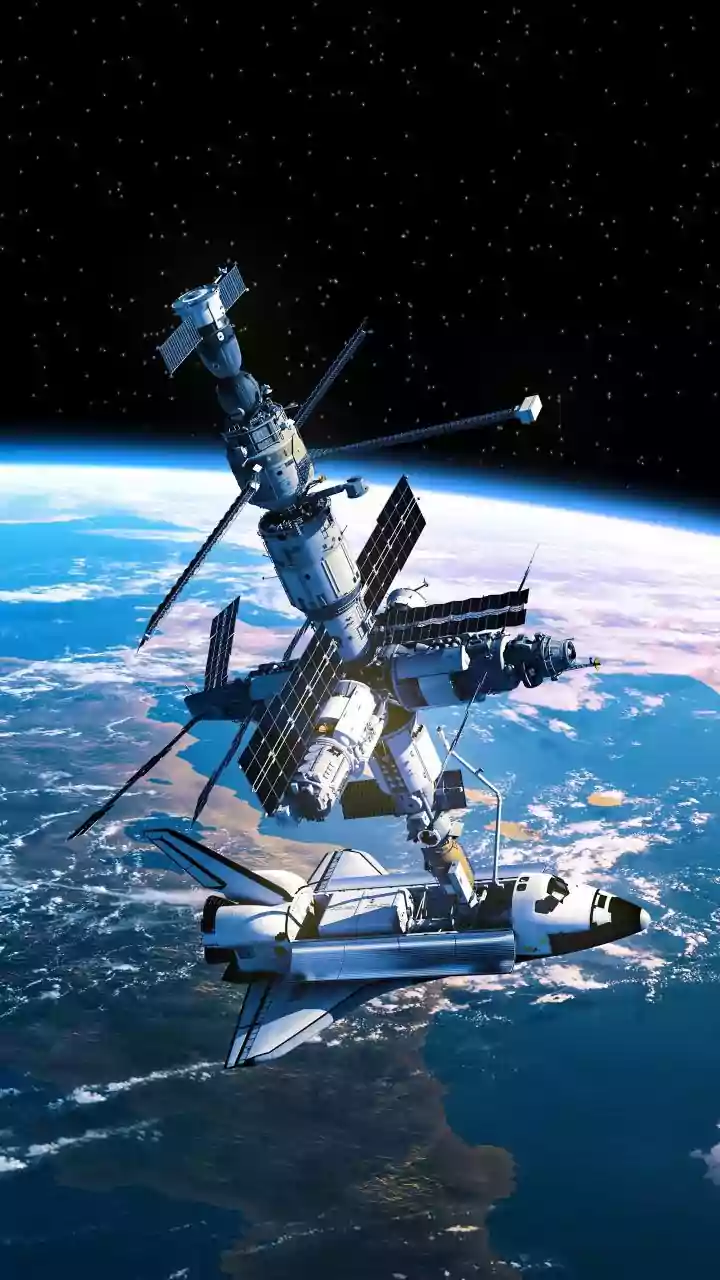
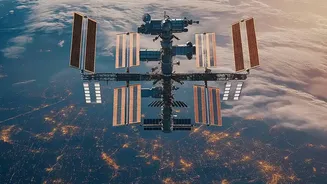
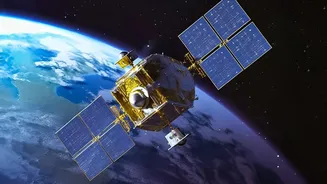
Forget what you think you know about spotting objects in space. The International Space Station (ISS) doesn’t look like a satellite from a sci-fi movie. To the naked eye, it appears as a very bright, fast-moving point of light, similar to a bright star
or planet. The key difference is its speed and steady trajectory. Unlike an aeroplane, the ISS will not have flashing or blinking lights; it shines with a constant, reflected sunlight. It moves much faster than a plane, silently gliding across the arc of the sky in a matter of minutes. It won’t twinkle like a star; its light is a solid, unwavering beam travelling with purpose. Once you see it, you’ll never mistake it for anything else.
The Golden Hours for Viewing
You can't just look up at any time of the night and expect to see the ISS. The best viewing opportunities happen only during the twilight hours—specifically, shortly after sunset or just before sunrise. This is because of a simple trick of light and shadow on a planetary scale. For you to see the station, the sky in your location needs to be dark. However, the ISS, orbiting about 400 kilometres above Earth, must still be high enough to be illuminated by the sun's rays. This perfect alignment of a dark ground and a sunlit spacecraft only occurs during those brief windows at dawn and dusk. Any other time, the station is either in Earth's shadow (and thus invisible) or the sky is too bright to see it.
Find Sighting Times for Your City
The most crucial step is knowing exactly when and where to look. Thankfully, NASA makes this incredibly easy with its 'Spot The Station' service. Simply visit their website and enter your city—whether it's New Delhi, Mumbai, Bengaluru, or a smaller town. The service will generate a list of upcoming viewing opportunities specific to your location. Each listing will tell you the exact date and time the ISS will appear, how long it will be visible (usually for a few minutes), its maximum height in the sky, and where it will appear and disappear on the horizon. For even greater convenience, you can sign up for email or text alerts that will notify you a few hours before a good sighting is about to happen in your area.
Your Step-by-Step Viewing Guide
Once you have the sighting information, the rest is simple. First, plan to go outside about five to ten minutes before the scheduled time. This allows your eyes to adjust to the darkness, which will make the bright dot of the ISS much easier to spot. Second, know your directions. The sighting data will tell you where to look, for example, 'appears 10 degrees above SW'. If you're unsure, a simple compass app on your smartphone can point you in the right direction. Find a comfortable spot with an unobstructed view of the sky, preferably away from the glare of bright city lights. Then, just be patient and watch the area of the sky where the station is predicted to appear. It will emerge as a dot of light and glide across the heavens for several minutes before fading into the Earth's shadow.
Helpful Tools (No Telescope Needed)
While a telescope is unnecessary, a few digital tools can enhance the experience. Beyond NASA's website, several free smartphone apps like 'ISS Detector' and 'Heavens-Above' provide real-time tracking maps and push notifications for sightings. The NASA App is also a fantastic resource. These apps can show you the station's exact path across your sky, making it almost foolproof. A compass app, as mentioned, is invaluable for getting your bearings right. The only other things you truly need are a clear weather forecast and a sense of wonder. Seeing this symbol of human ingenuity and international cooperation soaring silently overhead is an experience that connects you directly to our presence in space.