





Preparation is Your First Line of Defence
Before you even grab your car keys, your safety journey begins at home. Start by checking the weather forecast and traffic updates on apps like Google Maps. Many now provide real-time information on road closures and waterlogged areas, allowing you to
plan a safer route or even postpone your trip if conditions are severe. Next, give your vehicle a quick but crucial inspection. Ensure your tyres have adequate tread depth, as worn tyres can easily lose grip on wet surfaces, leading to skidding or hydroplaning. Check that your headlights, brake lights, and indicators are all working perfectly; visibility is key to being seen by others in heavy rain. Finally, test your windshield wipers. If they leave streaks or make noise, it’s time to replace them for a clear view of the road ahead.
On the Road: Slow, Steady, and Smart
Once you're driving, your mantra should be to slow down. Wet roads significantly increase braking distances. Reduce your speed and maintain a much larger gap between your vehicle and the one in front—at least four to five seconds. This gives you more time to react to sudden stops or hazards. Avoid sudden acceleration or hard braking, as these actions can easily cause you to lose control on a slippery surface. Be especially wary of painted road markings like zebra crossings, which become extremely slippery when wet. One common mistake to avoid is using your hazard lights while driving in the rain. These are meant only for stationary vehicles in an emergency. Using them while moving can confuse other drivers, who won't be able to see your turn indicators. Instead, use your low-beam headlights to improve your visibility to others.
The Golden Rule for Waterlogged Roads
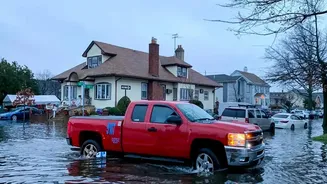
Encountering a flooded street is almost inevitable during a heavy downpour. The safest action is always to turn around and find an alternate route. If you absolutely must proceed, the first step is to assess the water's depth. As a general rule, if the water is higher than the centre of your wheels, do not attempt to cross. Floodwaters can conceal deep potholes, open manholes, or other debris that can severely damage your car. If you decide it's safe to cross, drive through the centre of the road, which is usually the highest point. Enter the water very slowly and then maintain a steady, low speed (around 5-10 km/h) in a low gear. This creates a small bow wave that helps keep water away from the engine. Avoid stopping and keep your engine revs consistent. After you've cleared the water, gently tap your brakes a few times to help dry them off and ensure they're working correctly.
What to Do If Your Car Stalls
If your car stalls while crossing a waterlogged patch, the single most important rule is: do not try to restart the engine. Attempting to do so can force water into the engine's combustion chamber, leading to a catastrophic condition known as hydrostatic lock, which can result in thousands of rupees in repairs. Your immediate priority is your safety. Turn on your hazard lights to alert other drivers. If the water level outside is rising, it's best to abandon the vehicle and move to higher ground. Be aware that opening a door against water pressure can be extremely difficult. If possible, exit through a window. Once you are safe, call for roadside assistance or your insurance provider to arrange for your car to be towed.