





Why the Sudden Shift to Buses?
What was once considered a travel off-season is now a preferred window for many Indians seeking nature-based getaways. Recent data highlights this trend, with a significant increase in overall monsoon travel bookings. Specifically, bus bookings have seen
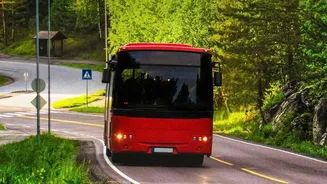
a staggering 140% year-on-year jump, according to travel platform Cleartrip. This surge is driven by several factors. Travellers, especially younger demographics, are opting for shorter, more frequent trips and find buses to be a cost-effective and flexible option compared to soaring airfares and waitlisted trains. The convenience of direct connectivity to destinations less accessible by rail, combined with the availability of modern, comfortable AC sleeper coaches, makes road travel an increasingly attractive proposition.
The Unmatched Scenic Advantage
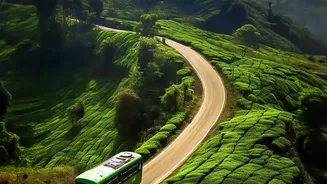
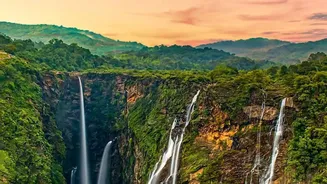
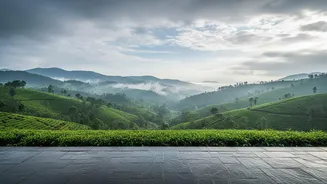
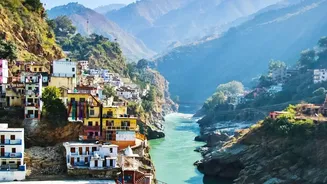
One of the most compelling reasons for the rise in monsoon bus travel is the journey itself. Unlike flights that bypass the landscape, buses offer a front-row seat to the season's dramatic transformation. Routes through the Western Ghats, the Himalayan foothills, and coastal roads become destinations in their own right, offering views of swollen waterfalls, mist-covered valleys, and impossibly green fields. The ability to witness these rain-washed vistas without the stress of driving allows travellers to fully immerse themselves in the experience. Many are choosing routes specifically for their scenic beauty, turning the travel time into an integral part of their vacation.
Popular Monsoon Circuits by Road
South and West India have emerged as hotspots for monsoon bus travel. Destinations in the Western Ghats like Lonavala, Mahabaleshwar, Munnar, Coorg, and Wayanad are seeing a huge influx of visitors. Wayanad, in particular, has recorded a staggering 160% growth in hotel bookings. In the north, hill stations like Rishikesh, Mussoorie, Manali, and Lansdowne are popular choices for those starting from Delhi and surrounding areas. Rishikesh has seen its ranking among searched destinations climb significantly. Booking platforms report that routes connecting major cities like Bangalore, Mumbai, and Chennai to these scenic spots are buzzing with activity, serving as gateways to popular monsoon retreats.
Bus vs. Other Modes: A Monsoon Comparison
During the monsoon, each mode of transport has its own set of challenges. Flights can be prone to turbulence and delays, and prices often skyrocket. Trains remain a reliable option, but routes to scenic spots can be limited and tickets often have long waitlists. Buses offer a practical middle ground. They provide direct access to remote and hilly areas where train connectivity is poor. While road travel is not immune to delays from heavy rain or landslides, the high frequency of services and the flexibility to choose from multiple operators provide travellers with more options. The rise of comfortable overnight AC sleeper buses has also made long-distance road travel a viable and convenient alternative for many.
Tips for a Smooth Monsoon Bus Journey
With the growing demand, a little planning can go a long way. First, book your bus tickets well in advance, especially if travelling over a long weekend, as popular routes now see occupancy rates as high as 80%. Using aggregator apps to compare prices is wise, but always check the final fare. Opting for flexible booking options that allow for rescheduling can be a lifesaver given the unpredictability of monsoon weather. When booking, consider an AC sleeper for overnight journeys to ensure comfort. Finally, pack essentials like a waterproof bag, a light jacket, and snacks, and always check weather forecasts and road conditions before you depart.