







For the Taxman's Sake
In India, certain receipts are your best friends during tax season. If you are claiming deductions, you need proof. Keep receipts for health insurance premiums to claim deductions under Section 80D, donation receipts for Section 80G, and rent receipts if
you are claiming House Rent Allowance (HRA). For individuals, tax-related documents should generally be kept for at least six to eight years from the end of the relevant assessment year, as the Income Tax Department can reopen cases within this period. This also includes investment proofs, like for PPF or life insurance premiums, and any expenses claimed against business income.
Protecting Your Big-Ticket Buys
That flimsy piece of paper is your golden ticket for expensive purchases. For electronics, home appliances, jewellery, and even furniture, the receipt is crucial for three main reasons: warranty, insurance, and resale. To make a warranty claim, companies require proof of the purchase date. Similarly, if an insured item is stolen or damaged, the receipt helps you claim its full value. Without it, you may only be compensated for a basic model, not the high-end one you actually bought. It is a good practice to keep these receipts for the lifetime of the product.
The Return and Exchange Lifeline
For everyday retail purchases like clothing, shoes, or household items, the receipt is primarily for returns or exchanges. Most stores have a policy window, typically ranging from a week to a month, during which you can return goods with a valid proof of purchase. Once this period is over and you are satisfied with the product, there is often no compelling reason to hold on to the receipt, unless the item has a specific warranty.
Safe to Shred Immediately
Here comes the most satisfying part: what you can get rid of. ATM withdrawal slips can be tossed once you have verified the transaction in your bank statement. Similarly, credit or debit card slips from daily, low-value transactions like buying coffee, groceries, or petrol can also be discarded, unless you need them for meticulous expense tracking or for business claims. The digital record from your bank is often sufficient. Getting rid of this daily paper trail is the first and easiest step to a clutter-free life.
Embrace the Digital Declutter
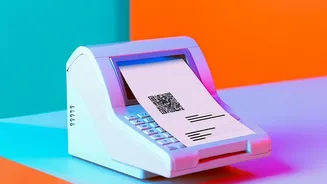
The best way to manage receipts is to go paperless. Many retailers in India now offer e-receipts sent via email or SMS. For the physical ones you do get, consider using a receipt management app. Apps like Zoho Expense, Expensify, or even just Google Drive allow you to snap a photo, tag it with relevant details (like 'warranty' or 'tax'), and then shred the physical copy. This creates a searchable, secure, and space-saving digital archive that you can access from anywhere. It is perfectly acceptable to maintain e-records for tax purposes, as long as their authenticity can be proven.