






The Monsoon's Hidden Dangers
While we welcome the respite from scorching summer heat, the monsoon creates the perfect breeding ground for bacteria and viruses. The high humidity in the air allows microbes to thrive and multiply rapidly on food surfaces. Furthermore, this is the season
when our digestive systems tend to slow down, making us more susceptible to infections. Widespread waterlogging can lead to the contamination of fresh water sources, which in turn affects the vegetables and fruits washed with it. This triple threat—humidity, slower digestion, and water contamination—is why cases of gastroenteritis, typhoid, cholera, and other foodborne illnesses spike during these months. It’s not about fearing the rain; it’s about understanding the environment it creates.
Why 'Hot and Fresh' Is the Mantra
This is where the wisdom of tradition and the logic of science converge. The simple act of cooking food at a high temperature is one of the most effective ways to kill harmful pathogens. A freshly prepared meal, served hot, has had minimal time to be re-contaminated. Compare this to a salad made with raw vegetables that may harbour bacteria, or a snack from a street vendor that has been sitting out in the damp air for hours. Foods that are pre-cut, stored in the refrigerator for long, or re-heated improperly can also pose a risk. Heat is your best friend in the monsoon kitchen. It ensures that what you’re eating is not just delicious and comforting on a rainy day, but also microbiologically safe. Think of it as a protective shield for your stomach.
Building a Safe Monsoon Menu
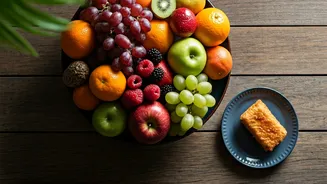
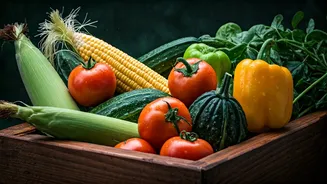
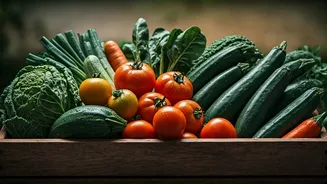
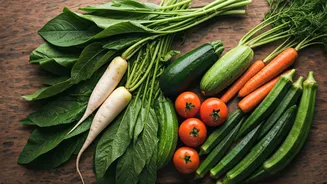
Navigating monsoon food safety isn't about deprivation; it's about smart swaps. Leafy green vegetables, for example, can be tricky. Their many crevices can hide mud, worms, and microbes. If you must have them, opt for thorough cleaning with a bit of salt or vinegar in the water, and always cook them well. Steaming or blanching is an excellent method. It’s wiser to lean towards gourds like lauki (bottle gourd) and tori (ridge gourd), which have protective skins and are easier to clean. When it comes to protein, ensure meat and fish are sourced from a clean, reliable place and cooked until they are piping hot. A warm, well-cooked dal is perhaps the ultimate safe and nourishing monsoon meal. For fruits, choose those with thick peels like bananas and pomegranates, and peel them just before eating.
Comfort Foods That Keep You Safe
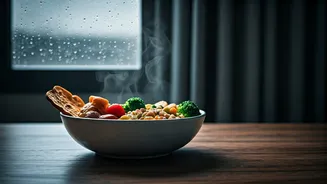
The craving for something warm and comforting during a downpour is universal. Thankfully, many of our favourite monsoon treats are inherently safe when prepared correctly at home. A bowl of hot soup—be it a simple tomato soup, a flavourful rasam, or a hearty lentil broth—is both nourishing and hydrating. Steamed dishes like idlis, dhoklas, and patra are excellent choices as the cooking process eliminates germs. Even the much-loved pakoras and bhajiyas are safe when made with a fresh batter and double-fried to ensure they are cooked through. The key is home preparation. When you control the ingredients, the cleanliness of your kitchen, and the cooking process, you can indulge your cravings without the accompanying anxiety.
Beyond the Plate: Kitchen and Water Hygiene
Your plate is only as safe as the kitchen it comes from. During the monsoon, maintaining kitchen hygiene is paramount. Keep your cooking surfaces, chopping boards, and knives scrupulously clean and dry to prevent mould and bacterial growth. Store spices and flours in airtight containers to protect them from the dampness. Most importantly, pay attention to your drinking water. Boiling water for at least one minute is the gold standard for purification. If you use a water filter, ensure it is serviced and functioning correctly. Avoid adding ice from outside sources to your drinks. A simple glass of warm water with lemon and honey can be a great immunity booster and a comforting beverage on a cool, rainy evening.