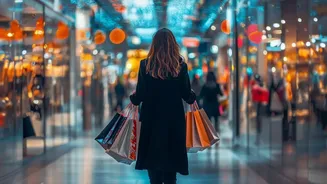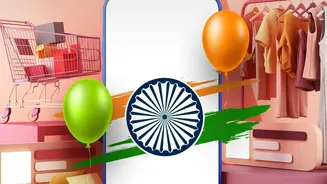






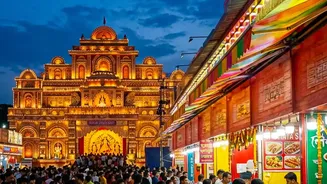

The festive season is in full swing, and with it, the annual ritual of shopping. But this year, a different story is unfolding in India’s bustling markets. A new conversation is emerging around a potential shift from fleeting trends to lasting value.
The Search for Lasting Value
There's a palpable buzz around products built to last. Early indicators for the 2026 festive season point towards a strong interest in upgrading the home and personal tech ecosystem. Home appliance manufacturers have reported an encouraging start, with sales of refrigerators, air-conditioners, and washing machines seeing double-digit growth in the opening phase of the season. This isn't just about replacing old items; it's about investing in a lifestyle. Shoppers are gravitating towards purchases that offer daily utility and long-term satisfaction, from smart TVs that become the family entertainment hub to efficient appliances that promise convenience and lower running costs. This reflects a move towards 'smart' shopping in more ways than one, where the cost-per-use of a product is becoming as important as its initial price tag.
A More Considered Consumer
This shift towards durability isn't happening in a vacuum. It is deeply connected to the current economic landscape. With household budgets feeling the pinch of inflation, consumers are becoming more selective and deliberate with their spending. According to recent surveys, overall festive spending is projected to be slightly lower than last year, with a significant portion of shoppers planning to 'shop smarter' within the same budget or even cut back on non-essential purchases. In this environment, a high-value electronic device or a quality home appliance can feel like a more responsible and pragmatic investment than an item that might be out of style in a few months. This quest for value is pushing consumers to prioritise items that will serve them well beyond the festive period.
Fashion's Unwavering Appeal
While the narrative of durability is strong, it would be a mistake to write off fashion's festive dominance. Despite the greater focus on value, clothing, footwear, and accessories remain the top priority for a majority of Indian shoppers. One comprehensive survey found that a staggering 72% of households planning to spend this season intended to buy items from this category. Another report placed fashion at the top of the spending list for 47% of consumers. This reveals a more complex picture: shoppers are not necessarily abandoning fashion, but they are approaching it with a more discerning eye. The trend isn't a simple swap of a new dress for a new dishwasher, but rather a more thoughtful allocation of a carefully considered budget.
The Slow Fashion Counter_Trend
Beneath the surface of sales figures, a quieter but influential movement is gaining ground: conscious consumption. A growing segment of consumers, particularly younger urban shoppers, is actively questioning the 'fast fashion' model of buy, wear, and discard. This has sparked a renewed interest in 'slow fashion'—garments defined by quality craftsmanship, sustainable materials, and ethical production. While price sensitivity remains a barrier for many, the desire for authenticity and products with a story is undeniable. This mindset champions buying fewer, but better, pieces that last. It aligns perfectly with the broader search for value and longevity, suggesting a long_term cultural shift that retailers can no longer afford to ignore.
How Retailers are Responding
Brands and retailers are keenly aware of this evolving consumer mindset. In response, they are adapting their strategies. For big_ticket items like electronics and appliances, financing options like EMIs and 'buy now, pay later' schemes are being pushed heavily to make purchases more manageable. Many are framing their marketing around features, quality, and warranty rather than just discounts. In the fashion space, there's a rising tide of brands that highlight their sustainable practices and artisanal roots. The entire festive sales calendar is also being stretched over a longer period, moving beyond a few peak days to give consumers more time to browse, compare, and make considered decisions.