




The Artemis Program: A New Lunar Age
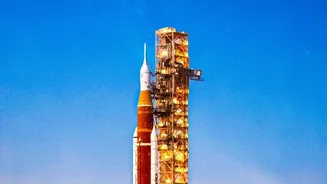
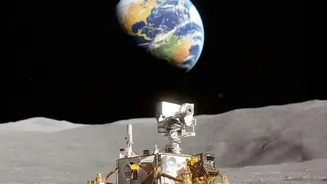
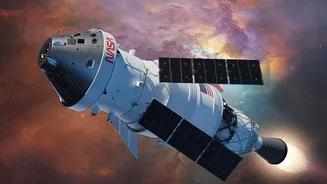
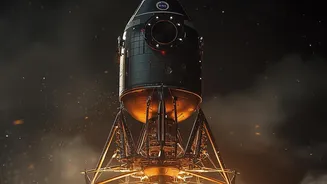
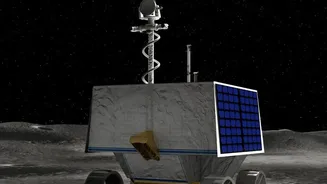
NASA's Artemis program is its ambitious plan to establish a long-term human presence on and around the Moon. After the successful crewed Artemis II lunar fly-by in April 2026, the agency is now gearing up for future missions. The current focus is on Artemis III,
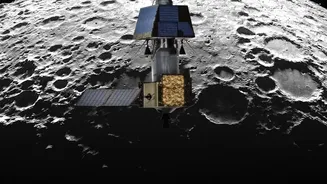
planned for 2027, which is slated to be a complex demonstration of rendezvous and docking capabilities in Earth orbit. This mission is a crucial step before Artemis IV attempts the next human lunar landing. For Indian space fans, Artemis is particularly significant. In 2023, India became a signatory to the Artemis Accords, a set of principles for peaceful and cooperative space exploration. More recently, in August 2026, NASA officially invited ISRO to participate in its planned Moon Base program. This invitation opens the door for India to contribute its renowned engineering expertise and lunar science experience, potentially fast-tracking its own goal of landing an astronaut on the Moon by 2040.
NISAR: A Joint Vision of Earth
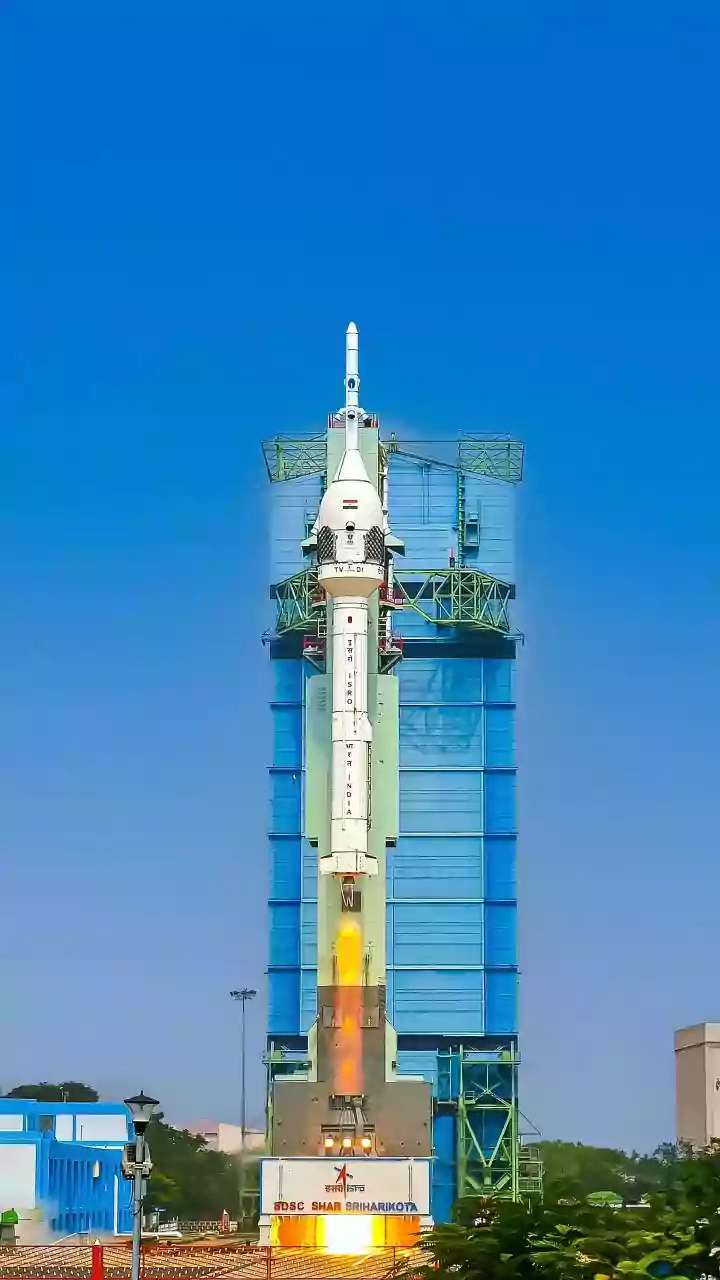
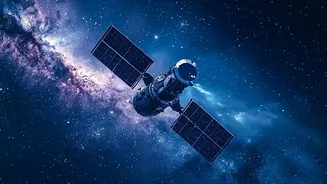
One of the most direct and powerful examples of a NASA development that matters to India is the NISAR (NASA-ISRO Synthetic Aperture Radar) mission. This Earth-observing satellite is a true partnership, jointly developed by both space agencies and launched from the Satish Dhawan Space Centre in India in July 2025. The satellite is equipped with both an L-band radar from NASA and an S-band radar from ISRO, making it the first dual-frequency radar imaging satellite. NISAR is already in its science phase, scanning nearly the entire surface of the Earth every 12 days. Its mission is to provide unprecedentedly detailed data on changes in our planet's ecosystems, ice sheets, and land surfaces. For India, the applications are immense. The data will be invaluable for managing natural disasters like landslides, monitoring agricultural health, and tracking the impacts of climate change, with ISRO providing open access to its data via the Bhoonidhi portal.
Europa Clipper: The Search for Life's Ingredients
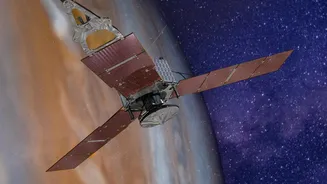
While lunar missions grab headlines, NASA is also pushing deeper into the solar system. The Europa Clipper spacecraft, launched in October 2024, is currently on a 1.8-billion-mile journey to Jupiter's icy moon, Europa. Scientists believe Europa hides a vast saltwater ocean beneath its frozen shell, containing more water than all of Earth's oceans combined. Clipper isn't designed to find life directly, but to determine if that hidden ocean has the right conditions to support it. The spacecraft is scheduled for a final Earth gravity assist in December 2026 before it continues its journey, arriving at Jupiter in 2030. For Indian enthusiasts, this mission represents the pinnacle of pure scientific exploration. It mirrors the spirit of ISRO’s own science missions, like Mangalyaan and Chandrayaan, pushing the boundaries of human knowledge and tackling one of science's most profound questions: Are we alone in the universe?
Mars Exploration: A Program in Transition
NASA's plans for Mars have seen a significant reset. The highly anticipated Mars Sample Return (MSR) mission, designed to bring back rock samples collected by the Perseverance rover, was overhauled due to soaring costs and timeline projections. NASA is now evaluating new, more efficient architectures and expects to decide on a final path forward in mid-to-late 2026, with a return now likely in the 2030s. While this is a step back, the dream of bringing Martian rocks to Earth is not dead. This recalibration is relevant for India, which is planning its own ambitious robotic sample-return mission from the Moon. As both nations develop complex technologies for sample return, NASA's challenges and solutions in its Mars program will offer valuable lessons. The parallel efforts underscore a shared global interest in planetary science and the engineering feats required to unlock the secrets of other worlds.