





A Renewed Push for Responsible Travel
Kerala has long been a pioneer in responsible tourism, but growing visitor numbers have increased pressure on its delicate ecosystems. In response, the state's tourism department is doubling down on its commitment to sustainability. This isn't about restricting
visitors but empowering them. The core idea is to make tourism a positive force that benefits local communities and preserves the environment. Initiatives like the Responsible Tourism Mission aim to weave sustainable practices into every aspect of a visitor's journey, from where they stay to what they buy. The goal is to move beyond just seeing Kerala to actively participating in its preservation.
Green Marshals Lead the Way
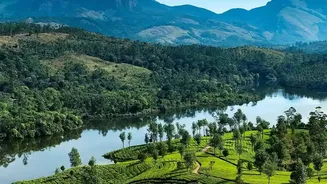
One of the most direct new measures is the deployment of 'Green Marshals' at key tourist hotspots like Munnar, Alappuzha, Kovalam, and Wayanad. These trained individuals, part of a pilot project, act as on-the-ground guides for responsible tourism. Their role is not just to enforce rules but to educate and assist. Marshals will help visitors understand and follow green protocols, such as curbing single-use plastics and preventing littering. They will also provide local information, guide tourists to eco-friendly businesses, and promote respectful travel habits, shifting the focus from cleaning up after the fact to preventing the damage in the first place.
Your Practical Green Guide
For travellers wondering how they can contribute, the guidance is clear and practical. A major focus is on waste management. Visitors are strongly encouraged to carry reusable water bottles and cloth bags to minimise plastic waste, a significant issue across India. In natural areas, the rule is simple: leave no trace and carry all waste out with you. Beyond waste, the guidelines extend to transportation. Opting for public transport, bicycles, or even electric vehicles for shorter distances can significantly reduce your carbon footprint while offering a more intimate way to experience the local pace of life.
Respecting Culture and Wildlife
Responsible tourism is as much about cultural respect as it is about environmental protection. Visitors are advised to dress modestly, especially when visiting religious sites or rural villages. Learning a few basic phrases in Malayalam is also encouraged as a sign of respect. When it comes to photography, it is always best to ask for permission before taking close-up photos of individuals. In wildlife sanctuaries like Periyar, the rules are strict for a reason: to protect the animals. Visitors must stay in their vehicles, refrain from feeding animals, and avoid making loud noises. The best wildlife encounter is one that doesn't disturb the natural behaviour of the animals.
Supporting the Local Economy
A key pillar of Kerala's responsible tourism model is ensuring that the economic benefits reach the local communities directly. Visitors can make a huge impact with their choices. Staying in locally-owned homestays provides income to families and offers an authentic cultural immersion. Eating at local restaurants rather than exclusively at large hotels, buying handicrafts directly from artisans, and tipping local guides and drivers generously are small actions that, in aggregate, make a significant difference. These choices help sustain traditional livelihoods and ensure that the people who call Kerala home see a direct benefit from the tourism industry.