



A Nutritional Power Couple
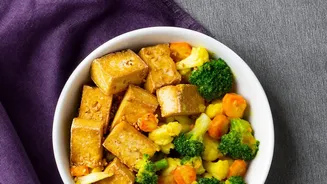
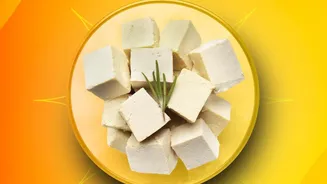
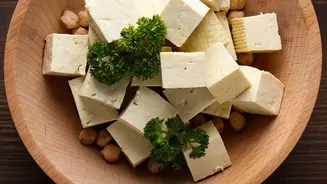
Pairing paneer with lentils is more than just a tasty idea; it is a smart nutritional strategy. Paneer is a complete protein, meaning it contains all nine essential amino acids the body cannot produce on its own. A 100-gram serving offers roughly 18-20
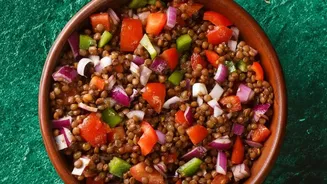
grams of high-quality casein protein, which digests slowly, promoting satiety and aiding overnight muscle repair. Lentils, or dal, are also protein-rich, with a cup of cooked dal providing about 15-18 grams of protein. While lentils are not a complete protein on their own, when combined with paneer, they create a meal with a superior amino acid profile. This combination also delivers a healthy dose of dietary fibre from the lentils, which aids digestion and helps control blood sugar levels, along with calcium and phosphorus from the paneer for bone health.
Choosing Your Key Ingredients
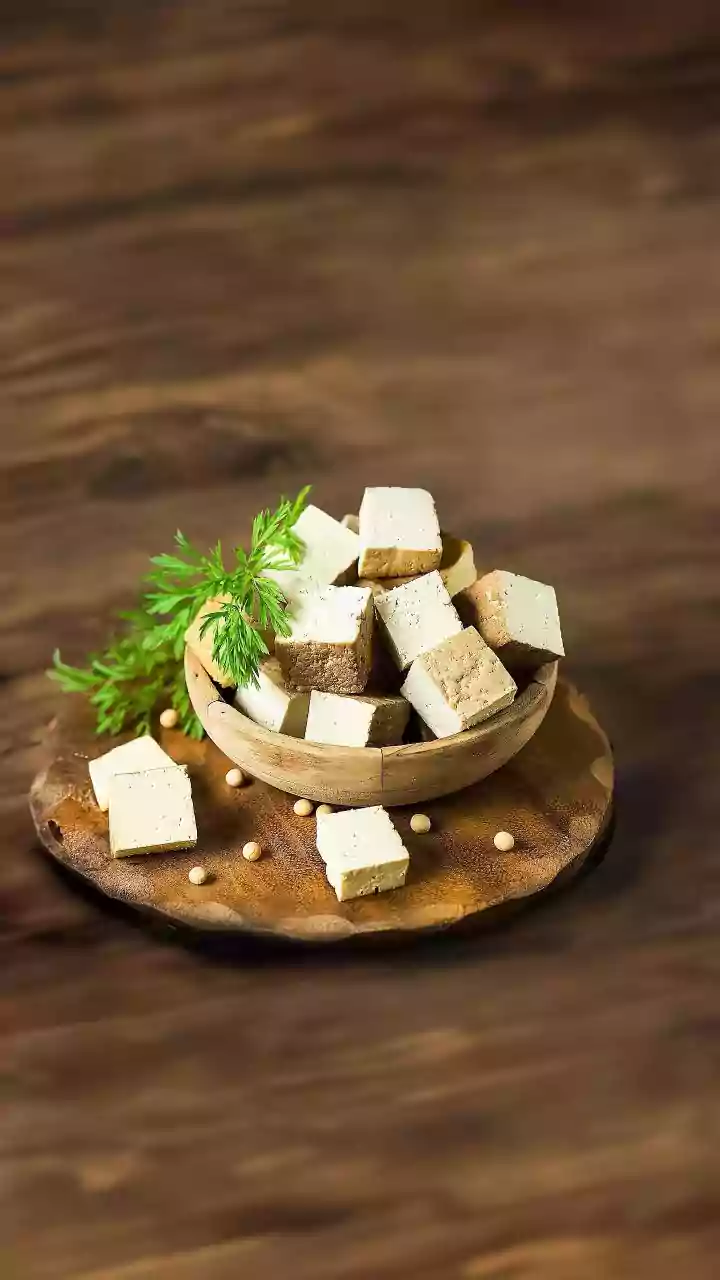
The success of your meal begins with quality ingredients. For paneer, you have the option of store-bought or homemade. If buying, look for firm, fresh paneer that holds its shape. For lentils, the variety you choose can influence the texture and cooking time of your dish. Moong dal (split yellow lentils) is light and cooks quickly, making it ideal for a quick weeknight dal. Toor dal (split pigeon peas) and Masoor dal (red lentils) are also popular choices that create a creamy base. Chana dal (split chickpeas) is denser and takes longer to cook but offers a robust, nutty flavour. Don't be afraid to mix different dals to create more complex flavours and textures.
Three Ways to Combine
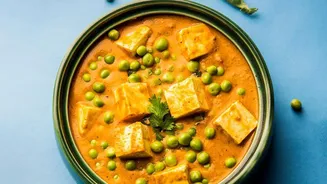
Moving beyond basic preparations, here are three ways to creatively combine paneer and lentils. First, a classic Dal Tadka with Paneer, where you stir cubes of lightly pan-fried paneer into a finished dal just before serving. This adds a wonderful textural contrast. Second, try making Lentil and Paneer Patties. Cooked and mashed lentils can be mixed with crumbled paneer, spices, and a binding agent like besan (chickpea flour) to form patties that can be pan-fried or baked for a delicious snack or light meal. The third idea is a Paneer Bhurji with a side of whole masoor dal. The spiced, scrambled paneer pairs beautifully with the earthy, hearty texture of whole lentils, creating a meal that feels both indulgent and wholesome.
Creating a Balanced Plate
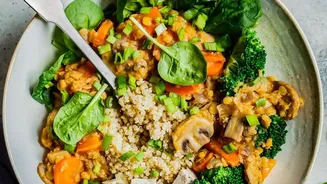
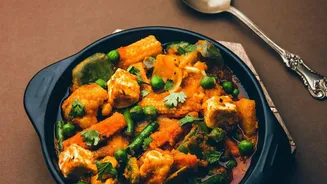
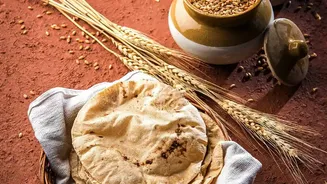
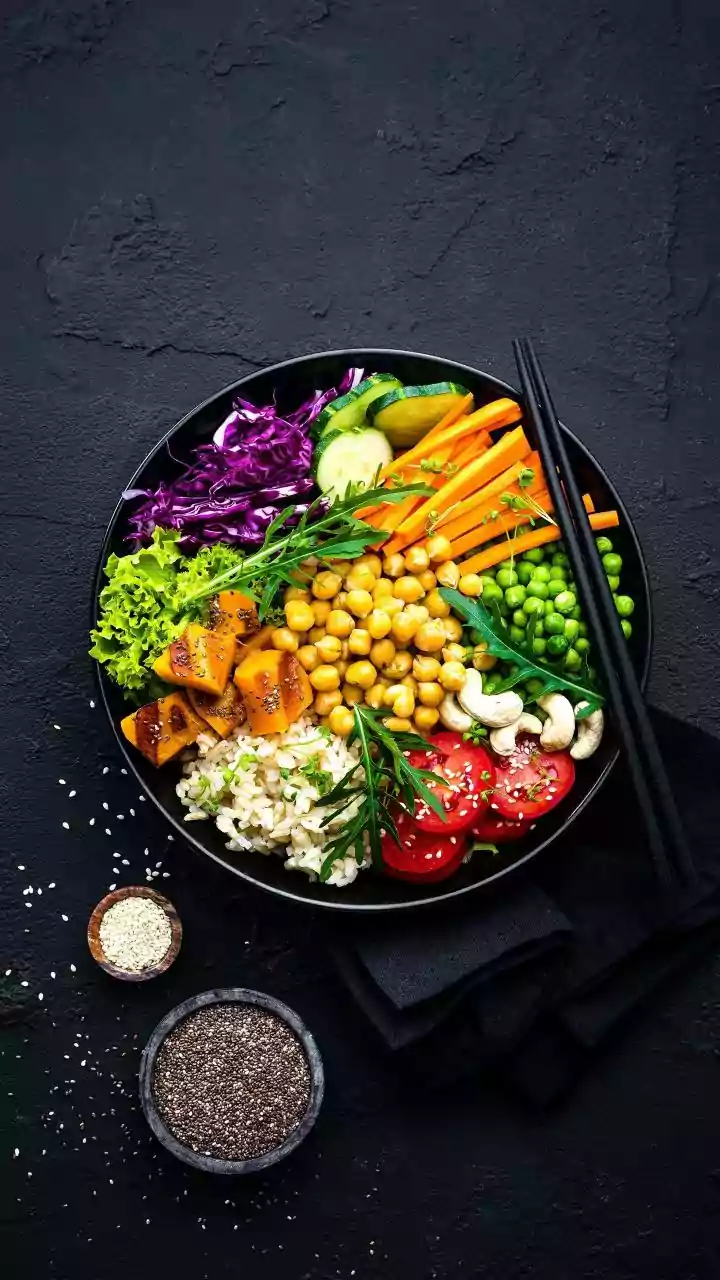
A truly balanced meal goes beyond just protein. To complete your paneer and lentil dish, ensure you are including plenty of vegetables. You can add spinach to your dal (Palak Dal), or toss in chopped carrots, peas, and beans to make it more nutrient-dense. This not only boosts the vitamin and mineral content but also increases the fibre, which contributes to feeling full. Serve your creation with a side of complex carbohydrates, such as a whole-wheat roti or a small portion of brown rice or quinoa. These provide sustained energy without causing sharp spikes in blood sugar. Finally, a dollop of plain yogurt or a sprinkle of toasted seeds can add healthy fats and a final protein boost.
Why It Works for Evening Meals
This combination is particularly well-suited for an evening meal for several reasons. A high-protein dinner helps with overnight muscle recovery and repair, which is crucial whether you are an athlete or simply lead an active life. The combination of protein and fibre promotes a feeling of fullness, or satiety, which can help prevent late-night snacking. Furthermore, since both paneer and lentils have a low glycemic impact, they help maintain stable blood sugar levels, preventing the energy crashes that can come from a carb-heavy dinner. By opting for lighter cooking methods like grilling or pan-frying the paneer instead of deep-frying, and using minimal oil for the dal, you can keep the meal healthy and easy to digest.