

The Lithium-Ion Cost Problem
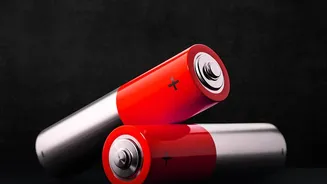
For years, the electric vehicle revolution has run on lithium-ion batteries. While powerful and efficient, they come with a significant catch: cost and dependency. Lithium, along with other key materials like cobalt and nickel, is not abundant. Its mining
is concentrated in a few countries, making the supply chain vulnerable to geopolitical tensions and price volatility. This directly impacts the final price of an EV, particularly in the cost-sensitive two-wheeler segment in India, where the battery can account for a substantial portion of the vehicle's total cost. This reliance on imported materials and cells has been a major barrier to making EVs truly accessible for the masses and a challenge to India's goal of 'Atmanirbhar Bharat' or self-reliance in the energy sector.
Enter the Sodium-Ion Alternative
Sodium-ion batteries work on a principle very similar to their lithium-ion counterparts, but they use sodium ions as the charge carriers. The key advantage lies in the raw material itself. Sodium is one of the most abundant elements on Earth, found readily in common salt and accessible within India's own borders. This abundance promises a future where battery production is not only cheaper but also insulated from the fluctuating prices and supply chain issues that plague lithium. Several Indian companies and research institutions are now developing this technology, aiming to create a robust domestic ecosystem for battery manufacturing.
Weighing the Pros and Cons
The most significant advantage of sodium-ion technology is its potential for lower cost. Beyond that, these batteries offer better performance in extreme temperatures, a crucial factor for the diverse Indian climate. They can operate efficiently in both intense heat and cold, retaining a high percentage of their capacity in conditions where lithium-ion batteries might struggle. They are also considered safer, with a lower risk of thermal runaway and fire. However, the technology is not without its challenges. The primary drawback has been lower energy density, meaning a sodium-ion battery is typically heavier and bulkier than a lithium-ion battery of the same capacity. This translates to a shorter range for the vehicle, which has been a limiting factor for its use in long-range passenger cars but makes it a viable candidate for city-based two-wheelers and three-wheelers where daily travel distances are shorter.
India's Push for Sodium-Ion Dominance
A number of Indian firms and research bodies are at the forefront of this technological shift. Pune-based KPIT Technologies has developed its own sodium-ion battery technology and transferred it to Trentar Energy Solutions for commercialisation, with plans for a 3 GWh manufacturing facility. Startups like IndiEnergy are innovating by creating battery components from agricultural waste, tackling both energy and pollution challenges simultaneously. Hyderabad-based Naxion Energy has also launched a range of sodium-ion batteries for various applications. Furthermore, research institutions like the Jawaharlal Nehru Centre for Advanced Scientific Research (JNCASR) have developed fast-charging prototypes that can reach 80% charge in minutes and boast a long cycle life, demonstrating the rapid pace of innovation in the field.
What This Means for Your Next Scooter
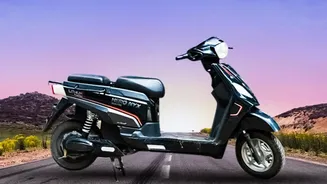
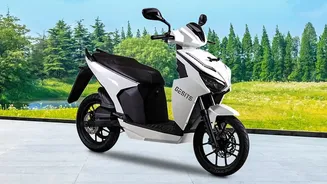
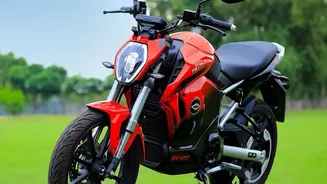
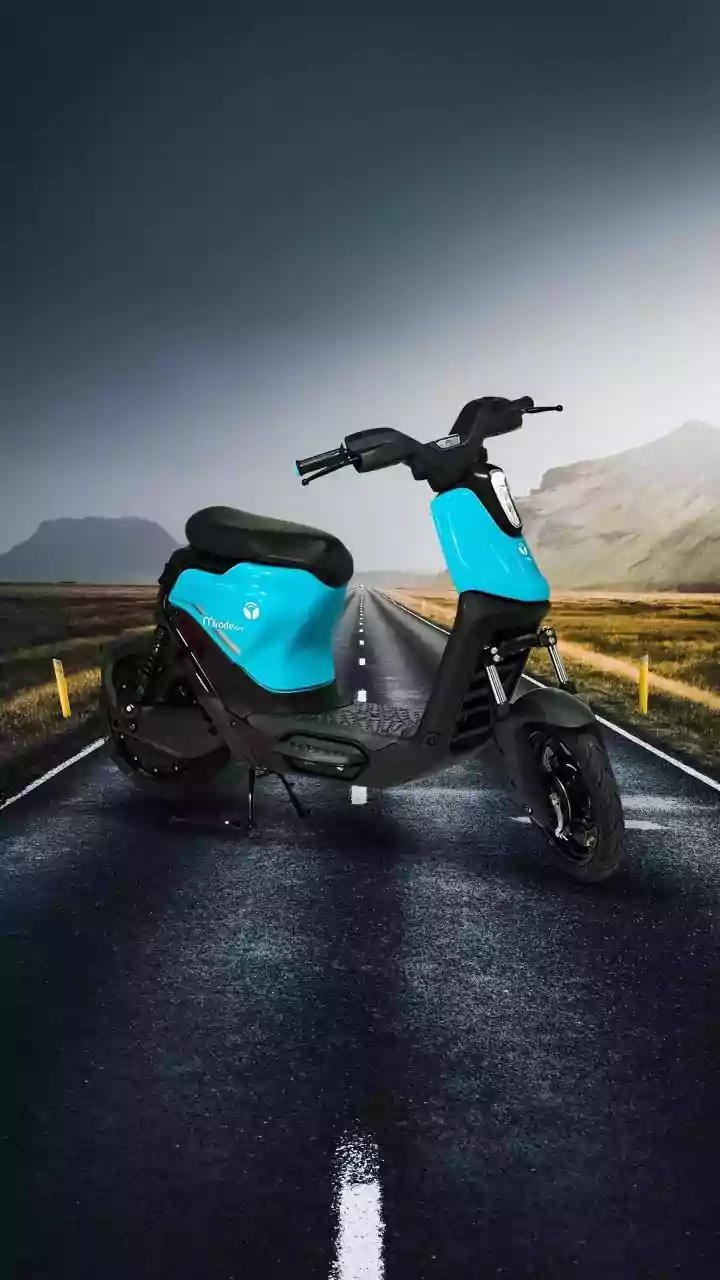
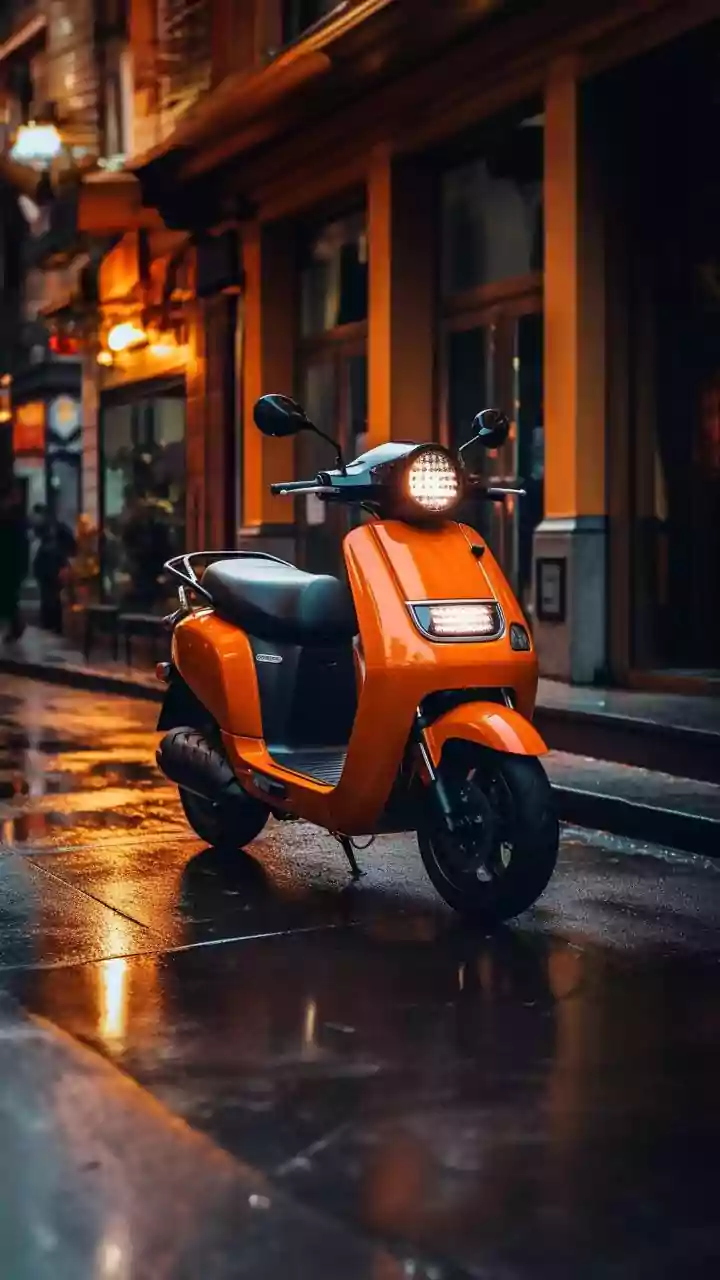
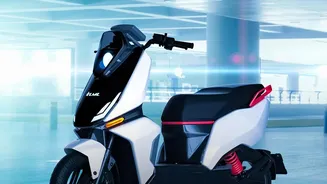
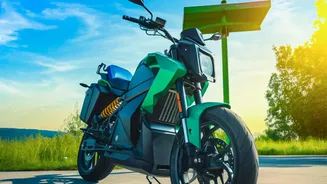
While the technology is incredibly promising, it's important to set realistic expectations. As of 2026, the high cost of establishing new manufacturing lines means sodium-ion batteries are not yet significantly cheaper than their lithium counterparts at a commercial scale. However, as production ramps up and supply chains mature, costs are expected to fall dramatically. Nashik-based manufacturer Jitendra New EV Tech has already announced plans to launch two-wheelers powered by indigenous sodium-ion batteries by early 2026. For the average consumer, this means the wait for a more affordable, domestically produced electric scooter or motorcycle may soon be over. The initial wave of sodium-ion powered two-wheelers might offer slightly less range than premium lithium models but will likely compensate with a lower purchase price, enhanced safety, and robust all-weather performance.