







The Festive Fitness Challenge
As the festive calendar in India fills up with social gatherings, late-night celebrations, and an abundance of delicious, calorie-dense foods, something has to give. For many, it’s their regular exercise routine. The usual 60-minute gym session or long
run becomes nearly impossible to schedule amidst travel, family commitments, and festive preparations. This often leads to a frustrating cycle of missed workouts, guilt, and the feeling that all the fitness progress made during the year is being undone. Social and cultural pressures can also make it difficult to refuse homemade sweets or skip a family event for a workout, making the season a real challenge for the health-conscious.
Enter the Micro-Workout
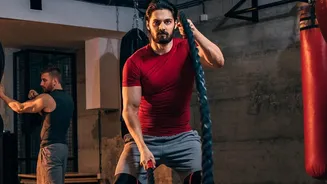
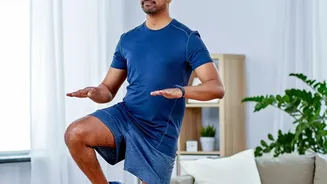
In response to this challenge, a more flexible and forgiving approach to fitness is gaining popularity: the short workout. Sometimes called “exercise snacking” or “micro-workouts,” these are brief, focused bursts of activity lasting anywhere from five to 20 minutes. The idea is simple: instead of skipping exercise altogether on a busy day, you fit in what you can, when you can. This could be a 10-minute bodyweight circuit before the day’s chaos begins, a brisk walk after a heavy meal, or even just a few minutes of stair climbs. The trend is a direct answer to the most common reason people stop exercising: a perceived lack of time.
Big Benefits in Small Packages
Skeptics might wonder if a 10-minute workout can truly be effective, but a growing body of evidence says yes. Research shows that multiple short bouts of exercise can provide similar, if not identical, health benefits to one continuous session. These brief workouts, especially when performed at a moderate to high intensity, can improve blood sugar control, boost heart health, reduce stress, and elevate your mood by releasing endorphins. High-Intensity Interval Training (HIIT), which involves short bursts of intense effort followed by brief rest periods, is particularly effective. It boosts your metabolism for hours after the workout, maximising calorie burn in a minimal amount of time. Studies have even linked just a few minutes of vigorous daily activity to a lower risk for cardiovascular issues and a longer life.
A Shift in Mindset: Consistency Over Intensity
Perhaps the most significant change brought by the rise of short workouts is a psychological one. It’s a move away from the “all-or-nothing” mentality, where a missed gym session feels like a total failure. The new focus is on consistency. Completing a short workout provides a sense of accomplishment and reinforces the habit of daily movement, making you more likely to stick with it long-term. Psychologists note that small, consistent efforts are the key to building sustainable habits. By lowering the barrier to entry, short workouts make it easier to stay on track. This consistency proves more valuable for your health over time than infrequent, marathon gym sessions.
Making It Work for You This Festive Season
Integrating short workouts into your festive schedule is easier than you think. Start by planning ahead and identifying small windows of time. You could do a 10-minute routine of bodyweight exercises like squats, push-ups, and planks in your room before guests arrive. If you’re traveling, pack a resistance band or just use your own body weight. Turn festive chores into exercise: do squats while decorating or calf raises while cooking. Encourage family members to join you for a post-meal walk. Even participating in traditional dances like Garba or Bhangra is a fantastic and joyful way to get your heart rate up and burn calories. The key is to see movement as something that can be integrated throughout the day, not just confined to the gym.