




The Allure of the Perfect Plate
It’s hard to miss the phenomenon. A fitness influencer posts a week’s worth of perfectly portioned meals, a celebrity shares their glowing skin secret (a green smoothie, of course), or a friend shares a '7-Day Detox Challenge'. These online meal plans
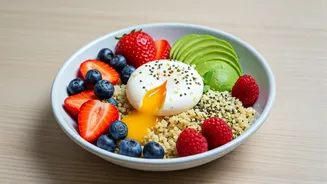
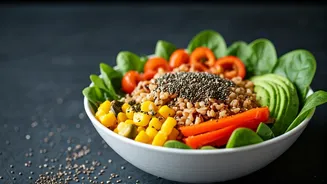
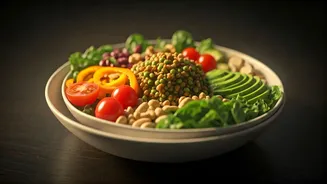
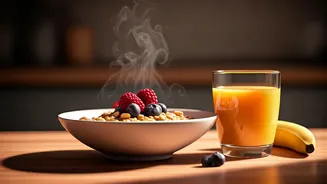
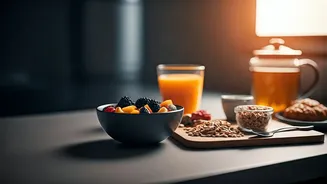
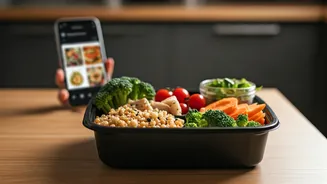
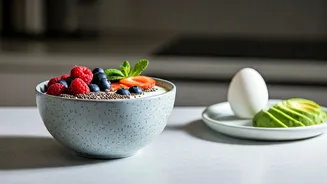
are incredibly appealing for a few key reasons. Firstly, they are visual. The colourful, neatly arranged food looks delicious and aspirational. Secondly, they promise simplicity and results. In a world where we are overwhelmed with choices, a straightforward plan that says 'eat this, not that' feels like a welcome relief. The promise of quick weight loss or a 'total body reset' is a powerful motivator. Finally, the messenger matters. When these plans are promoted by people we admire or find relatable, it creates a sense of trust and a feeling of, 'If it worked for them, it could work for me too.'
Common Trends on Your Feed
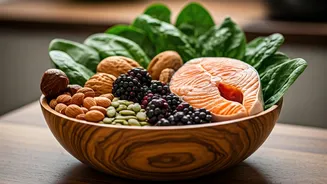
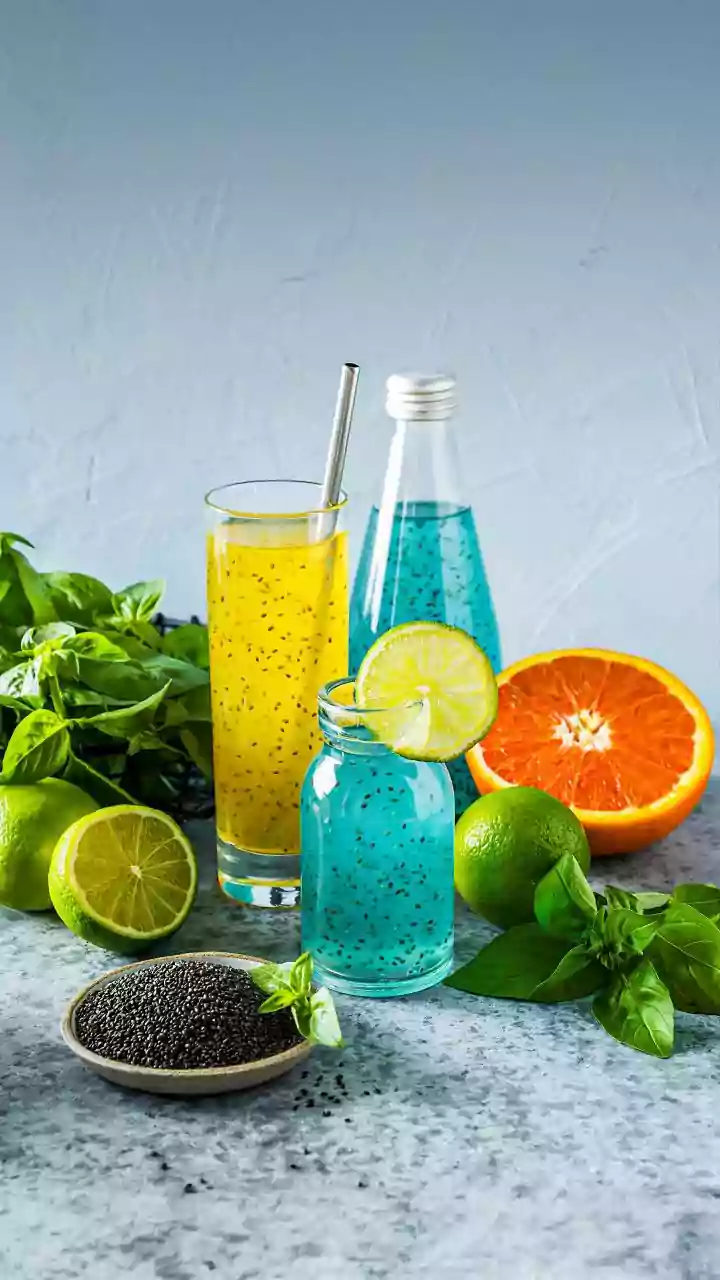
While specific diets trend in waves, most viral meal plans fall into a few popular categories. You’ve likely seen intermittent fasting schedules, which focus more on *when* you eat than *what* you eat, with designated eating and fasting windows. Then there are the low-carb or ketogenic plans, which drastically reduce carbohydrates to encourage the body to burn fat for fuel. This often means cutting out staples like rice, roti, and even some fruits. Another common trend is the 'detox' or 'cleanse', typically involving fruit and vegetable juices or smoothies for a set number of days, promising to flush out toxins. Lastly, there's the rise of the high-protein diet, which emphasizes lean meats, eggs, paneer, and legumes to promote satiety and muscle growth, often at the expense of other food groups.
The Hidden Risks of Hype
The problem with a one-size-fits-all approach is that our bodies are not one-size-fits-all. A meal plan that goes viral is, by its nature, generic. It doesn't account for your specific age, gender, activity level, medical history, or cultural dietary habits. Many of these plans are extremely restrictive, cutting out entire food groups that provide essential nutrients. A diet that eliminates all carbs, for instance, might leave you deficient in fibre and B vitamins. Following such rigid rules can also take a mental toll, fostering an unhealthy relationship with food and leading to feelings of guilt or failure if you can't stick to it. Moreover, the 'quick results' they promise are often just water weight loss, which comes right back once you return to your normal eating patterns. The most significant risk is that these plans are rarely created by registered dietitians and can sometimes promote unsafe practices.
How to Spot a Good Plan from a Fad
So, how can you sift through the noise? Before you jump on the next trend, ask yourself a few critical questions. Does the plan include a variety of foods from all major groups—carbohydrates, proteins, fats, vitamins, and minerals? Does it promise magical, impossibly fast results? (A red flag!) Is it designed by a qualified professional, like a registered dietitian or nutritionist, or just an influencer with a large following? Does it require you to buy expensive, special products or supplements? A truly healthy plan should be flexible, sustainable, and teach you principles of balanced eating rather than just giving you a rigid list of rules. It should feel like an upgrade to your lifestyle, not a punishment.
Adapting Trends to Your Thali
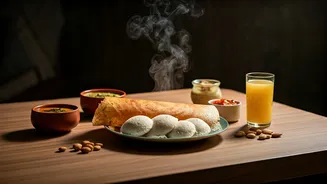
The good news is you don’t need to abandon your favourite Indian foods to be healthy. The principles behind many trends can be adapted sensibly. Instead of eliminating carbs, for example, focus on complex carbohydrates. Swap white rice for brown rice or millets and opt for whole wheat roti. You can practise a form of intermittent fasting that fits your schedule without starving yourself. The core of a healthy Indian diet—dal, sabzi, roti/rice, and dahi—is already well-balanced. The key is often in the preparation and portion size. Focus on cooking with less oil, loading your plate with more vegetables, ensuring you have a good protein source like dal, paneer, or lentils with every meal, and being mindful of how much you eat. Use viral trends as inspiration for new recipes or ideas, not as a strict rulebook.