





The 'All-Natural' Illusion
The word “natural” on a package creates a healthy halo, but it’s a largely unregulated term in India for most products. Food companies can use it on items that are highly processed. A product labelled "natural" can still contain preservatives, additives,
and sweeteners like high-fructose corn syrup. The Food Safety and Standards Authority of India (FSSAI) has noted that terms like "natural" can be misleading. Your best defense is to ignore this claim and read the ingredient list instead. If the list is long and full of names you can't pronounce, it likely isn't as “natural” as you think.
Decoding 'Fat-Free' and 'Low-Fat'
A “fat-free” claim on a packet of sweets or biscuits might seem like a green light, but it's often a red flag. When manufacturers remove fat, they often replace it with something else to maintain flavour — usually sugar, flour, or other additives that can increase the calorie count. You might end up consuming a product that is just as, or even more, unhealthy than its full-fat counterpart. Irrelevant claims are common; for instance, candy is naturally fat-free, but boasting about it distracts from the fact that it's almost entirely sugar.
The 'Made With Whole Grains' Trap
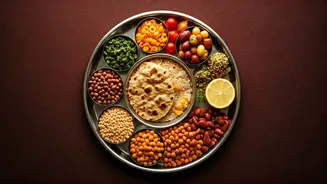
The phrase “multigrain” or “made with whole grains” sounds nutritious, but it only means the product contains more than one type of grain. Those grains can still be heavily refined, stripping them of their fibre and nutrients. A product might claim it's made with whole grains even if it contains as little as 1%. Look for the words “100% whole wheat” or “100% whole grain” as the very first ingredient to ensure you're getting the benefits. Otherwise, the primary ingredient is often refined flour (maida), which offers little nutritional value.
The 'Superfood' Hype Machine
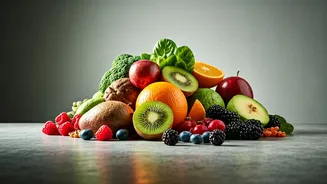
The term “superfood” is a marketing buzzword, not a regulated scientific category. While foods like kale, quinoa, and blueberries are indeed nutrient-dense, the label is often used to create an aura of exceptional health benefits that justifies a premium price. Many local, seasonal Indian foods offer similar or even better nutritional profiles without the expensive branding. Don't feel pressured to buy an exotic berry powder when a simple amla or a serving of spinach can provide a powerful nutrient boost. A balanced diet with a variety of fruits and vegetables is more important than chasing the latest trendy superfood.
Misleading Serving Sizes
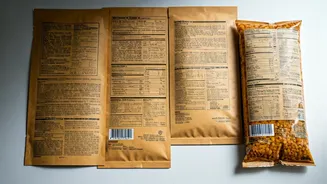
This is one of the most common tricks. The nutritional information on the back of a packet may look reasonable, showing low calories and sugar. But a closer look often reveals that these numbers apply to an unrealistically small serving size. A 200g bag of chips might list nutrition facts for a 30g serving, but most people will consume far more than that in one sitting. To get an accurate picture, you must check the serving size and the number of servings per container, then do the maths to understand what you're actually consuming.
The Rise of 'Healthy' Branding
In recent months, the FSSAI has cracked down on brands using the word "healthy" directly in their name or on their packaging in a potentially misleading way. Notices have been issued to companies for everything from cooking oils named 'Healthy & Tasty' to veggie chips and ragi chips that claim to be healthy despite being processed snacks. A brand name or a slogan like “Vision to Serve Healthy” can create a false sense of security, leading consumers to believe a product is beneficial without checking its actual contents. This regulatory action highlights how crucial it is to look beyond the brand name and focus on the hard data on the back of the pack.