




A Taste of Home in the Metropolis
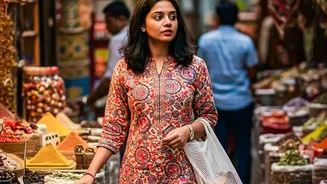
The modern Indian metropolis can feel like a cultural melting pot, where regional identities sometimes blur. Amid this backdrop, food remains a powerful anchor to one's roots. For many young professionals who have moved to cities like Mumbai, Bengaluru,
or Delhi for work, the familiar, pungent kick of a homemade pickle is an immediate sensory connection to their hometown and family. It’s a taste that cuts through the noise of urban life, offering a flavour of a specific region—the sharp, mustard-oil based pickles of the North, the tangy mango 'Avakaya' of Andhra Pradesh, or the sweet and sour 'Chhundo' from Gujarat. This act of eating and sharing pickles becomes a way to perform and preserve regional identity in a cosmopolitan setting, a delicious rebellion against the standardisation of taste.
The Heirloom in a Ceramic Jar
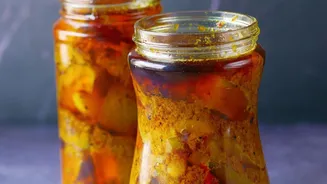
More than just a recipe, the family pickle is often a story passed down through generations. Many households treasure their unique recipes, secret spice blends handed down from a grandmother or great-grandmother. The making of these pickles is a communal ritual, a tangible link to maternal heritage. It’s an activity that binds generations, where knowledge is transferred not just through instructions, but through shared activity and storytelling. For young parents, teaching their children about the family’s specific pickle recipe is a way of passing on cultural heritage. Each jar contains not just preserved fruit or vegetables, but a direct link to family history, love, and hospitality.
A Sensory Antidote to Digital Life
In an era dominated by screens and intangible digital interactions, the process of making pickles offers a deeply grounding, tactile experience. The rhythmic chopping of raw mangoes, the feel of spices being mixed by hand, and the patient act of leaving jars to mature in the sun provide a welcome contrast to the immediacy of modern life. This slow, deliberate craft connects individuals to the seasons—particularly the summer, when raw mangoes are plentiful and households across the country begin the pickling process. This revival of vintage recipes and traditional techniques is part of a broader trend of seeking healthier, more mindful ways of eating. The process itself becomes a form of therapy, a hands-on activity that produces something real and nourishing.
Modern Twists on an Ancient Tradition
While the tradition is old, its modern practitioners are not afraid to innovate. Young urban families are putting their own stamp on this culinary art form. They might experiment with non-traditional ingredients, blend regional styles, or adapt old recipes to fit a modern kitchen and a busy schedule. This blend of tradition and innovation ensures that pickling is not a static relic of the past, but a living, evolving practice. The core remains the same—a desire to create and share authentic flavours—but the expression changes. This adaptability is key to its survival and renewed relevance, proving that cultural heritage can be both preserved and personalized.