


The Building Blocks: Understanding Protein
Protein is essential for building and repairing tissues in your body, from your muscles to your skin and hair. Proteins are made up of amino acids. While your body can produce some of these, there are nine—known as essential amino acids (EAAs)—that you must
get from food. Animal products are 'complete' proteins, meaning they contain all nine EAAs in sufficient amounts. Most plant foods, however, are 'incomplete', as they are low in one or more of these essential building blocks. But this doesn't make plant proteins inferior; it just means a little strategy is required.
Rethinking the Rules: The Modern View on Combining
The old rule was that you had to combine complementary proteins at every single meal to get the full benefit. However, modern nutritional science has shown this isn't strictly necessary. Your body maintains a pool of amino acids it can draw from throughout the day. As long as you eat a varied diet with different protein sources, you will likely meet your needs. That said, for active individuals with higher protein requirements—generally 1.2 to 2.0 grams per kilogram of body weight—consciously pairing proteins at mealtimes is a powerful strategy to ensure you're getting an optimal amino acid profile to support recovery and muscle synthesis.
The Classic Duo: Grains and Legumes
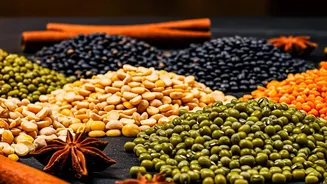
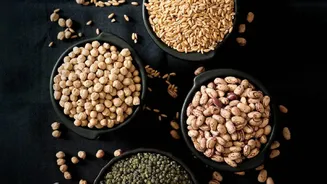
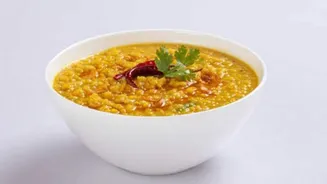
This is the most well-known and culturally significant protein pairing for a reason. Legumes like dal, rajma, lentils, and beans are rich in the amino acid lysine but low in methionine. Grains like rice, roti (wheat), and oats are the opposite. When you eat them together, they form a complete protein, filling in each other’s nutritional gaps. Think of classic Indian meals like dal with rice or rajma with roti; they are perfect examples of protein synergy in action. This combination provides both the immediate energy from carbohydrates and the sustained release of amino acids for muscle repair.
The Nutrient-Dense Pair: Legumes and Nuts or Seeds
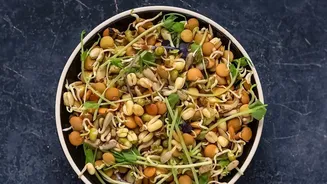
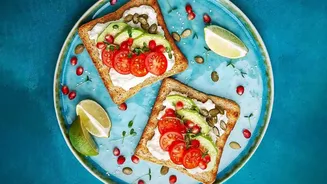
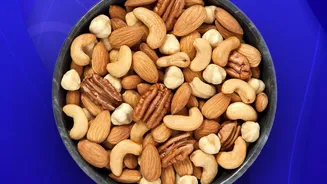
Another powerful combination involves pairing legumes with nuts or seeds. A prime example is hummus, which combines chickpeas (a legume) with tahini (a paste made from sesame seeds). The chickpeas provide one set of amino acids, while the sesame seeds provide those that are lacking, creating a complete protein profile. This principle also applies to adding a handful of pumpkin or sunflower seeds to a bean salad or topping lentil soup with chopped almonds. This combination not only boosts protein but also adds healthy fats and micronutrients, making it an excellent choice for a satiating snack or meal component.
The Solo Superstars: Naturally Complete Plant Proteins
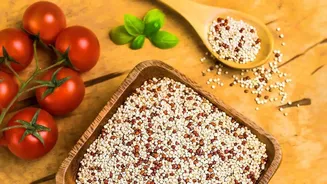
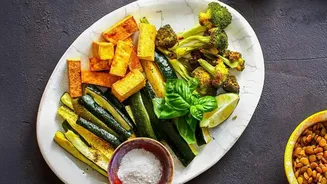
While combining foods is an effective strategy, some plant-based foods are complete proteins all on their own. Incorporating these into your diet simplifies things greatly. Soy products like tofu, tempeh, and edamame are fantastic sources that contain all nine essential amino acids. Quinoa, a versatile seed that cooks like a grain, is another complete protein powerhouse. Other great options include buckwheat, hemp seeds, and chia seeds. For active vegetarians, these foods are invaluable as they provide high-quality protein without the need for careful pairing in that specific meal.