




The 'All-or-Nothing' Trap
Many of us believe that for exercise to 'count', it needs to be a gruelling, hour-long session at the gym. This mindset often leads to a cycle of intense effort followed by burnout and guilt. When life gets busy, that one-hour workout is the first thing
to go, and soon, you're back at square one. The pressure for perfection becomes a barrier to consistency. Studies show that splitting exercise into smaller chunks throughout the day is just as beneficial as one long session. The key is to reframe the goal from intensity to consistency. A daily 10-minute routine is far more achievable and sustainable than an ambitious plan that you only follow for a week.
What Are Micro-Movements?
Micro-movements, also called 'exercise snacks', are short, intentional bursts of physical activity lasting anywhere from a few seconds to 10 minutes. The idea is to sprinkle these brief sessions throughout your day, breaking up long periods of inactivity. This could mean doing a set of squats while your coffee brews, taking a brisk 10-minute walk after lunch, or doing some simple stretches between meetings. These small actions don't require special equipment or a gym membership, making them incredibly accessible. The focus is on gentle, regular movement that keeps your body active and engaged without demanding a huge commitment of time or energy.
The Psychology of a 10-Minute Win
The magic of the 10-minute routine lies in habit formation. Committing to just 10 minutes of movement is a small, manageable goal that feels easy to achieve. This lowers the mental barrier that often prevents us from starting. Each time you complete your micro-workout, you get a small sense of accomplishment. This builds self-confidence and momentum, making you more likely to show up again the next day. You begin to see yourself as someone who exercises regularly. This shift in identity is a powerful driver of long-term behaviour change. Instead of seeing exercise as a chore, it becomes a simple, integrated part of your daily rhythm.
Your Daily Micro-Movement Blueprint
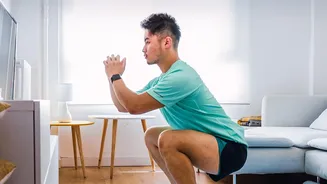
Getting started is simple. The goal is to choose activities you don't dread. A 10-minute routine can be a single session or broken into smaller 'snacks'. For example, you could try a 10-minute brisk walk in the morning to boost energy. At your desk, set a timer to stand up and do a minute of calf raises, shoulder rolls, and ankle pumps every hour to improve circulation. After a meal, a short walk can help regulate blood sugar levels. Other simple options include jumping jacks, lunges, bodyweight squats, or wall push-ups. The key is to find what works for you and make it a non-negotiable part of your day, just like brushing your teeth.
The Cumulative Power of Small Efforts
While 10 minutes might not feel like much, the cumulative health benefits are significant. Research shows that even short, consistent bursts of activity can improve heart health, lower blood pressure, and help regulate blood sugar, reducing the risk of type 2 diabetes. These brief sessions boost circulation, increase energy levels, and enhance mental clarity. Physical activity also triggers the release of endorphins, the body's natural mood-lifters, which can reduce stress and feelings of anxiety. Over time, these daily 10-minute investments compound, leading to substantial improvements in your overall physical and mental well-being.