



Why the Monsoon Poses a Health Risk
The rainy season brings a welcome respite from the heat, but it also creates an ideal environment for harmful microorganisms to thrive. High humidity and moisture lead to a spike in bacteria, viruses, and fungi on produce. Waterlogging can contaminate
soil and water sources used for irrigation with germs like E. coli and Salmonella. Furthermore, the damp conditions mean food spoils faster, increasing the risk of foodborne illnesses such as gastroenteritis, typhoid, and cholera. Leafy green vegetables, with their many folds and crevices, are particularly adept at trapping dirt, germs, and even larvae, making them difficult to clean completely.
The Expert Consensus: Caution is Key
Most health experts and nutritionists advise exercising extreme caution with raw foods, especially salads, during this season. The primary concern is contamination that isn't eliminated by simple washing. Raw vegetables, particularly leafy greens like spinach and lettuce, are frequently flagged as high-risk. The consensus isn't necessarily a complete ban, but a strong recommendation to switch to cooked foods, which are generally safer because the heat destroys most harmful microorganisms. If you do choose to eat raw vegetables, the emphasis shifts to meticulous preparation and sourcing from reliable vendors. People with weaker immune systems, children, and pregnant women should be extra careful.
Your Guide to Safer Salad Preparation
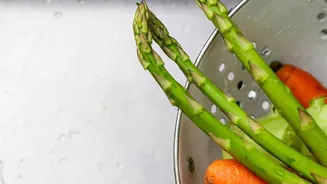
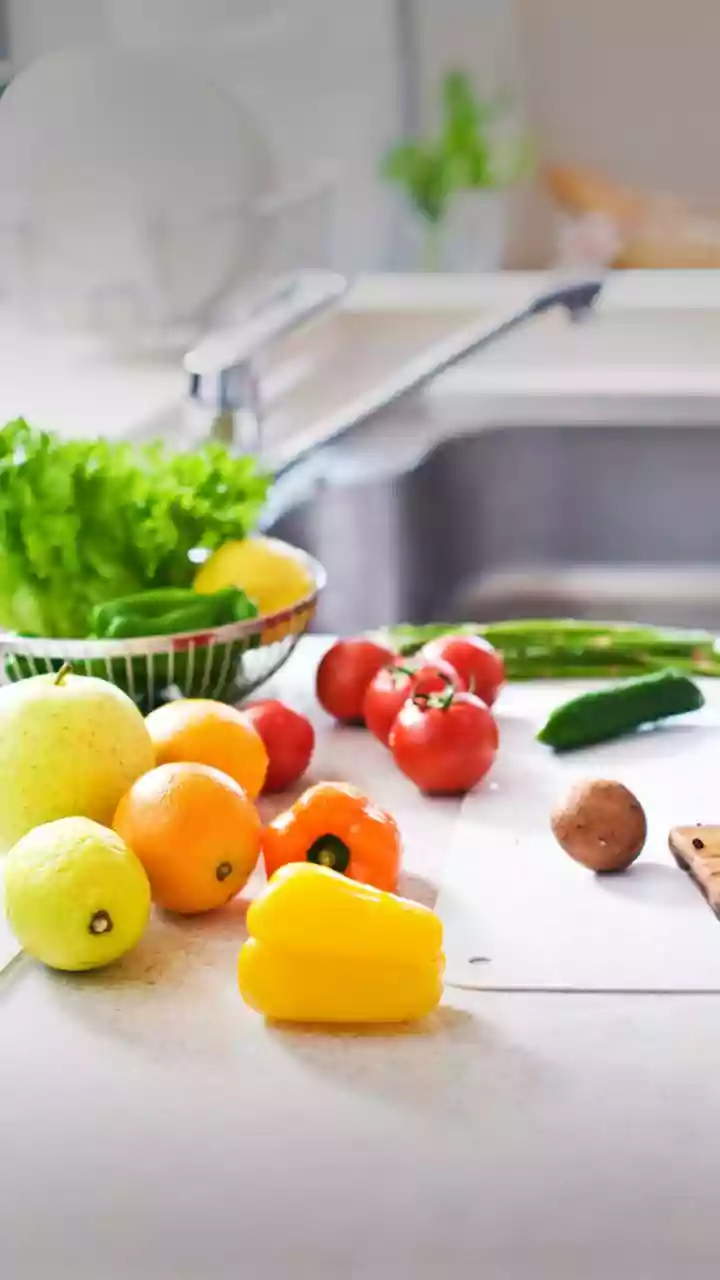
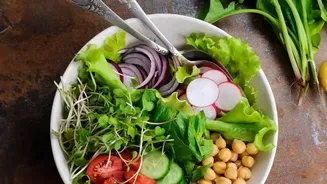
If you decide to prepare a salad at home, you don't have to give it up entirely, but you must follow stringent hygiene practices. Start by washing your hands thoroughly before handling any produce. Wash all vegetables under clean, running water. For leafy greens, a more rigorous approach is needed. Experts recommend soaking them in a bowl of water with a bit of salt or vinegar for about 15-20 minutes to help dislodge hidden grit and microbes. After soaking, rinse them again under running water. Always use clean chopping boards and knives to prevent cross-contamination. It’s also best to prepare salads right before you plan to eat them and to consume them fresh.
Smart Swaps and Cooked Alternatives
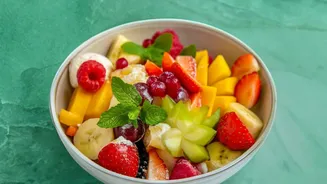
A great way to navigate the monsoon diet is to adapt your salad-making. Instead of using raw leafy greens, consider lightly steaming or blanching vegetables like broccoli, carrots, and beans. This process can kill surface bacteria while retaining much of the crunch and nutrients. You can also build your salads around cooked ingredients. Think about warm salads featuring roasted sweet potatoes, chickpeas, or grilled paneer. Soups and stews are also excellent ways to increase your vegetable intake safely. Fruits with thick peels that you can remove yourself, such as bananas, pomegranates, and papayas, are generally safer options after being washed.
What to Absolutely Avoid
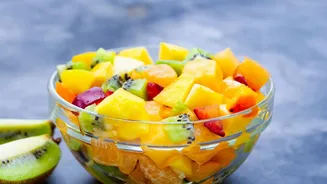
While you can take precautions at home, some things are best avoided altogether during the monsoon. Steer clear of raw salads from street food vendors or restaurants where you can't be sure of the hygiene standards or the water used for washing. Pre-cut fruits and vegetables sold in the open are also risky, as they have been exposed to the humid environment for longer, allowing bacteria to multiply. Be wary of chutneys and other raw accompaniments served at eateries. The safest approach when eating out is to stick to freshly prepared, thoroughly cooked meals.