
The Unsung Heroes of Plant Life
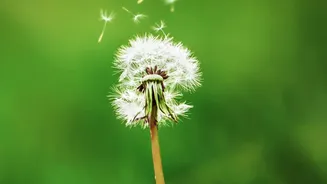
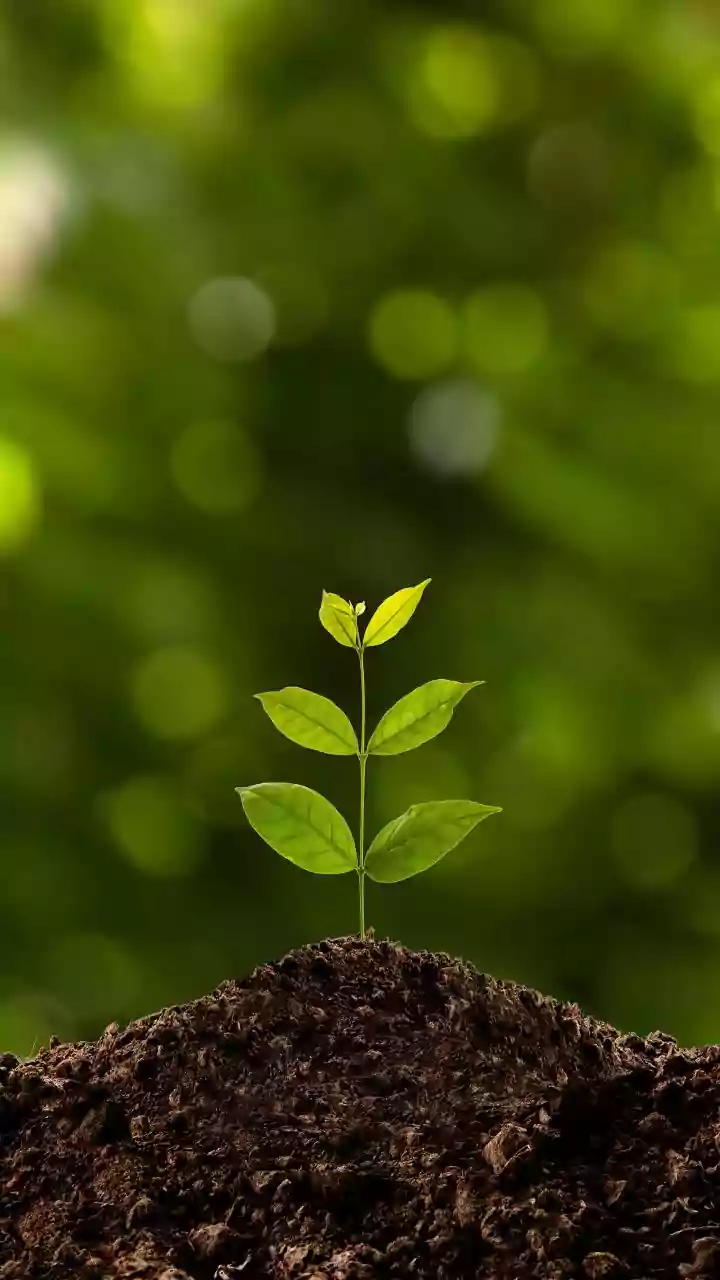
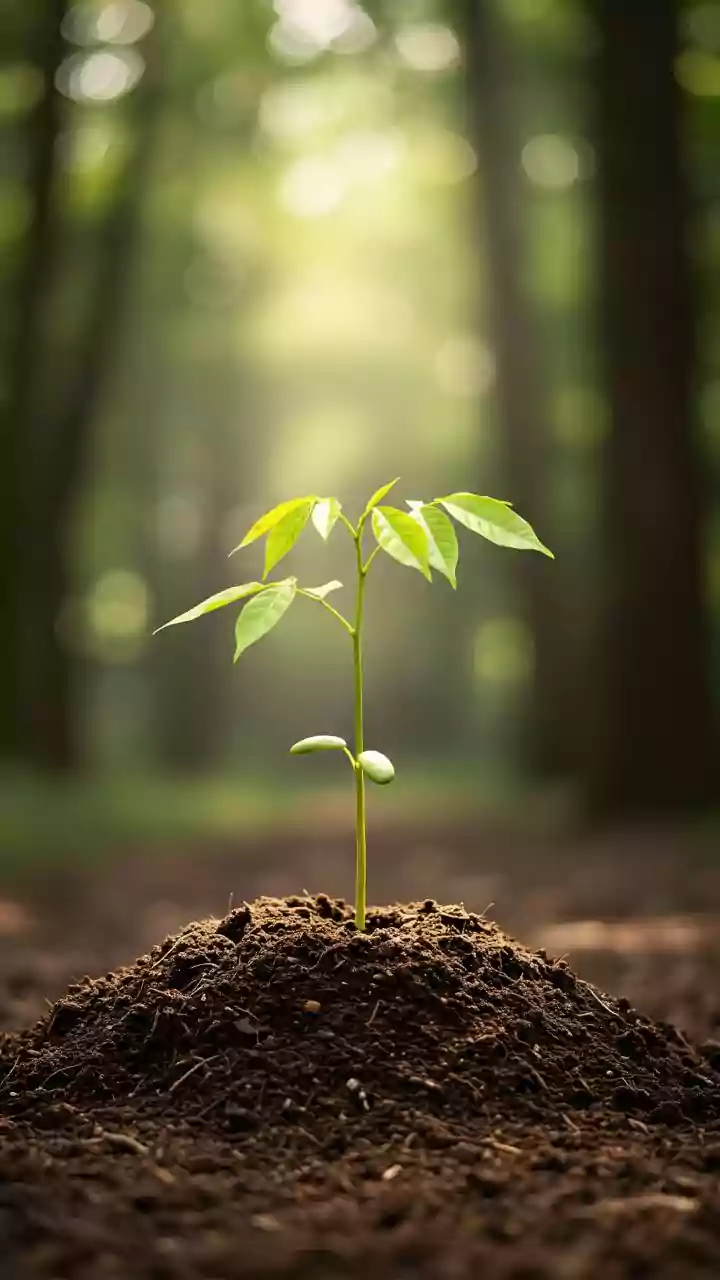
For a plant to thrive, its seeds must find new ground. This journey, known as seed dispersal, prevents overcrowding and competition with the parent plant, helps colonize new areas, and ensures genetic diversity. For more than half of all plant species,
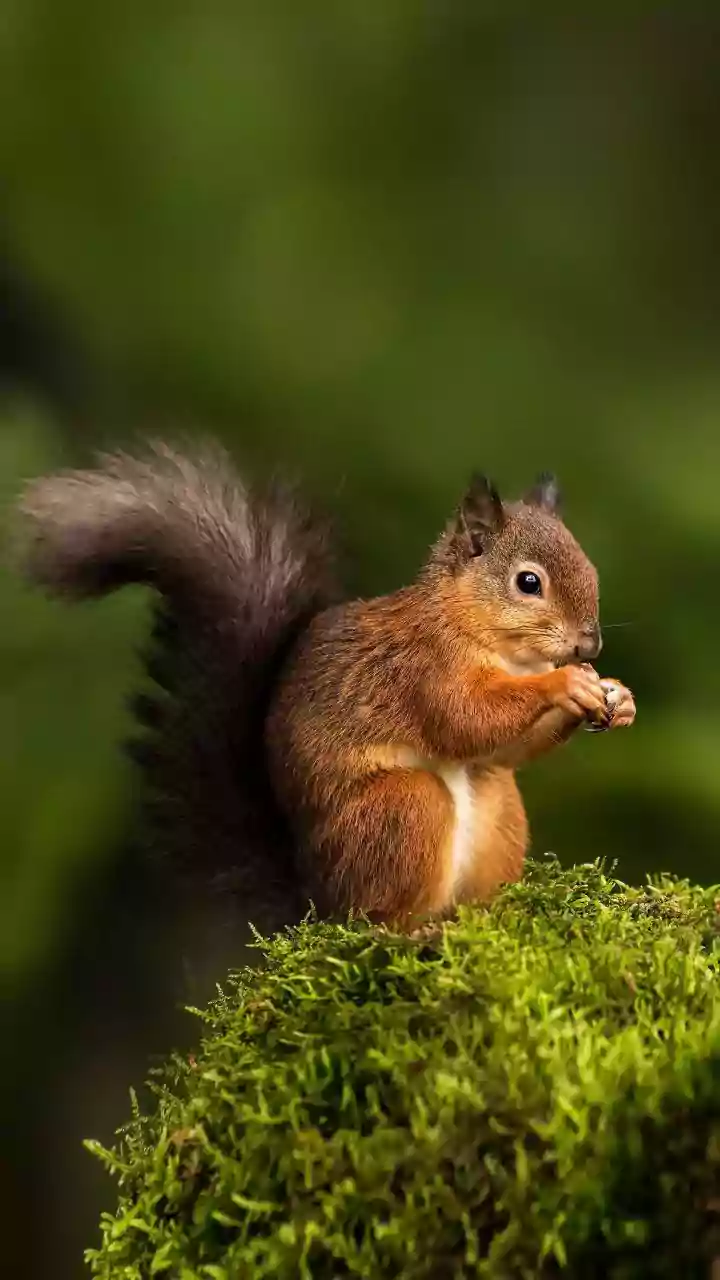
and over 80% of trees in tropical forests, this critical task is outsourced to animals. These animals, known as frugivores, eat fruits and later deposit the seeds elsewhere, often wrapped in a convenient package of natural fertilizer. While we often picture birds and monkeys in this role, new research shows the network of dispersers is far wider and more complex than previously understood, involving a host of overlooked species that are vital to ecosystem health.
Beyond Birds and Bats
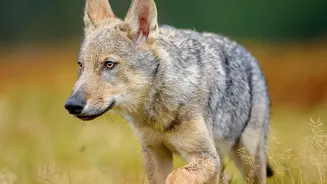
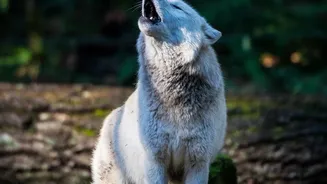
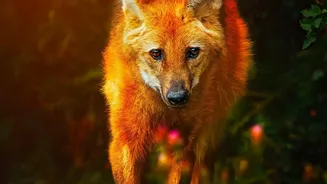
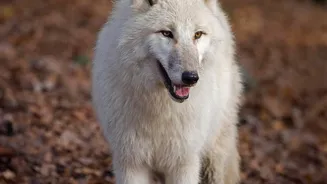
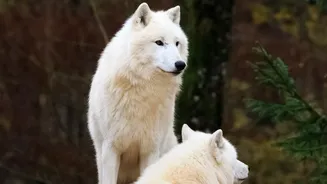
Recent large-scale studies have begun to shed light on a fascinating and wider cast of seed-dispersing animals. While birds, bats, and primates are indeed major players, the research highlights the surprising contributions of other animals. In the wetlands of Brazil, fish like the pacu and tambaqui consume vast quantities of fallen fruit and carry their seeds along waterways, especially during flood seasons. Even top predators play a part. Studies have found that cougars, which are carnivores, indirectly disperse seeds by consuming herbivores that have recently eaten fruit. Even the order Carnivora, which includes canids like foxes and coyotes, has been found to be surprisingly prolific seed dispersers. These findings challenge our traditional view and underscore that seed dispersal is a community-wide effort.
Why This Wider Cast Matters
Understanding the full spectrum of seed dispersers is not just an academic exercise; it has profound implications for the planet. The health, structure, and resilience of our forests depend on this intricate web of interactions. When seed-dispersing animals decline, the consequences are severe. Research indicates that the loss of these animal partners has already slashed the ability of plants to track climate change by an estimated 60%. Plants need to migrate to cooler habitats as temperatures rise, and they can only do so if their seeds are carried far enough. The disappearance of large-bodied animals, which are often the best long-distance dispersers, is particularly damaging. This loss of function means forests are less able to regenerate and store carbon, directly impacting global climate mitigation efforts.
A New Roadmap for Conservation
The discovery of this expanded roster of seed dispersers forces a rethink of conservation strategies. Protecting a forest is no longer just about the trees; it's about protecting the entire network of animals that keeps it alive. This includes not just the obvious fruit-eaters, but the fish in the rivers and even the predators that maintain ecological balance. When even a small percentage of seed-dispersing species are lost from an ecosystem, the decline in dispersal function can be massive—sometimes as high as 95%. This highlights that conservation efforts must focus on maintaining habitat connectivity, allowing animals to move freely across landscapes to perform their vital roles. Protecting these unsung heroes is essential for ensuring our forests can adapt to future challenges and continue providing the services we all depend on, from clean air to a stable climate.