


What Exactly Is a 'Soft Flex'?
Forget flashy logos and expensive statement pieces. The ‘soft flex’ is a quieter, more confident way of showing off. In home decor, it’s less about what you can buy and more about what you can create. It’s the artistry, the personal touch, and the story
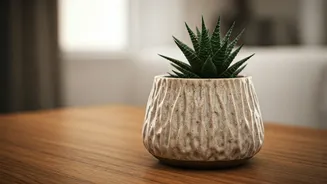
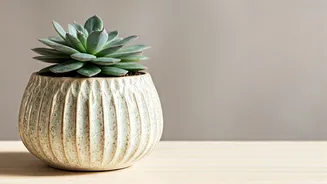
behind an object. A handcrafted planter is a perfect example. It says you have taste, skill, and an appreciation for the unique. It’s a conversation starter that showcases your creativity, turning a simple houseplant into a curated piece of art that no one else has.
The Joy of a Handmade Home
The trend towards DIY planters is part of a larger movement away from sterile, show-home perfection. More people are embracing a ‘conscious curation’ approach, choosing items that are handmade, durable, and meaningful. Crafting something for your own space provides a unique sense of accomplishment and control. Studies show that engaging in creative activities like crafting can reduce stress, improve mood, and boost self-esteem by providing a sense of pride in the finished product. This psychological boost, often called the ‘IKEA effect,’ explains why we place a higher value on things we’ve had a hand in making. A DIY planter isn’t just a pot; it’s a physical representation of your time, effort, and creative vision.
Get Started: The Art of Upcycling
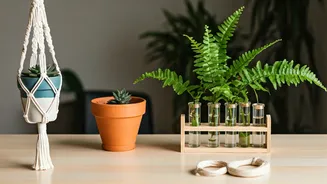
The easiest way to join the DIY planter movement is by looking at the ‘trash’ around you with fresh eyes. Upcycling is not only sustainable but also incredibly creative. Old tin cans, chipped teacups, glass jars, and even worn-out boots can be transformed into charming homes for your plants. Consider painting old tin cans with vibrant patterns or wrapping them in jute rope for a rustic look. A chipped ceramic mug or a vintage teapot can become a perfect pot for a small succulent. For items without drainage, you can add a layer of pebbles at the bottom to prevent waterlogging, or for the more adventurous, learn to drill a small drainage hole.
Materials that Tell a Story
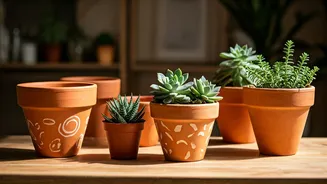
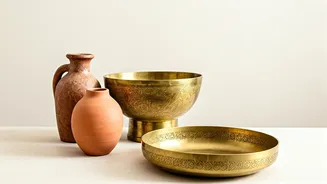
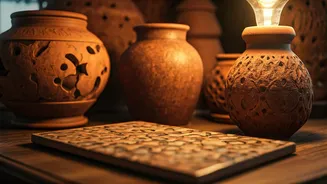
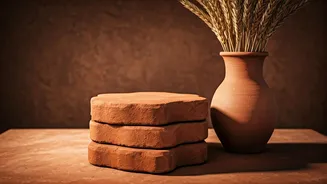
Once you’re comfortable with upcycling, you can explore creating planters from scratch. The materials you choose can dramatically influence the final look and feel. Concrete mix can be poured into moulds (like old plastic containers) to create minimalist, industrial-style planters. Air-dry clay allows for more organic shapes and can be painted to match your decor. For a more natural, earthy aesthetic, consider using reclaimed wood to build simple planter boxes. In India, traditional materials like terracotta are making a huge comeback, not just as pots but as a canvas for creative expression through painting and other embellishments.
Finishing Touches Make the Flex
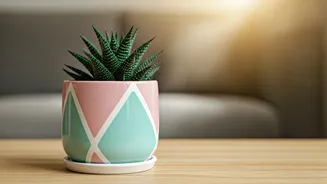
The final step is what truly elevates your DIY planter. This is where you can experiment with textures and colours. Painting techniques like colour-blocking, marbling, or simple geometric patterns can turn a plain pot into a statement piece. Don’t be afraid to play with textures by adding sand to your paint for a gritty finish or wrapping part of the pot with fabric or twine. The goal is to create a piece that not only holds a plant but also complements your overall interior design, adding a layer of personality that store-bought items simply can’t replicate.