




Understanding the Revamp Plan
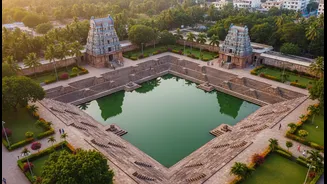
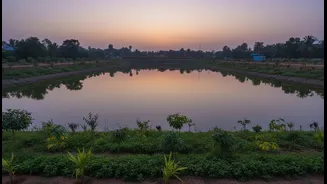
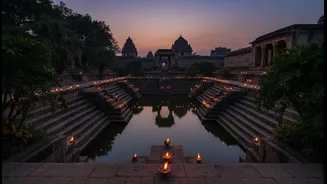
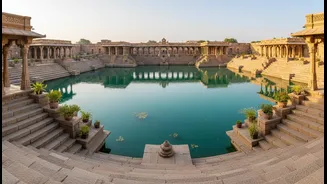
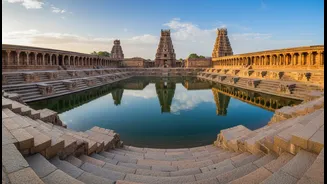
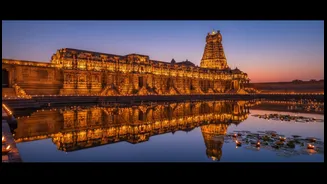
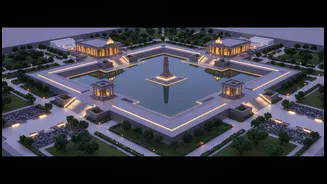
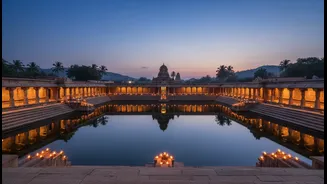
Recent proposals aim to transform the massive 17th-century Teppakulam, the largest of its kind in Tamil Nadu, into a major tourism hub. Spearheaded by local leaders, the plan includes installing colourful decorative lighting, creating dedicated viewing
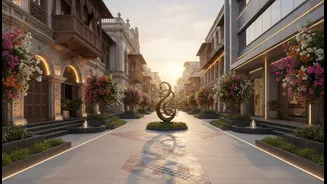
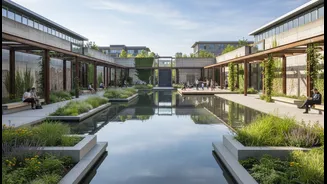
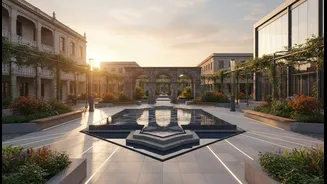
areas for cultural events, and generally boosting infrastructure to attract more domestic and international tourists. This initiative is part of a broader push to move Madurai's identity beyond being just a temple town and develop its full potential as a heritage city. While specific project details are still being finalised, the vision is clear: to make the Teppakulam a premier destination for visitors. However, this follows years of residents complaining about neglect, poor lighting, and cleanliness issues around the historic tank.
For Residents: A Question of Liveability
For the people living around the Teppakulam, the primary question is: will this make our neighbourhood better? Proponents argue the project will clean up the area, which currently suffers from unregulated parking and waste disposal issues. Some residents agree, hoping a formal plan will make the area cleaner and more family-friendly. However, large-scale development often brings disruption. Residents might wonder about increased traffic, noise from cultural events, and whether the revamped space will still feel like a part of their community or become a cordoned-off tourist zone. The balance between creating a vibrant public space and maintaining neighbourhood peace is a critical point of concern.
For Vendors: A Question of Livelihood
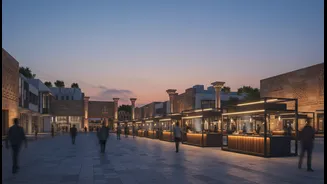
The Teppakulam's periphery has long been a hub for small-scale street vendors and eateries, forming a unique, informal marketplace. A key component of the proposed revamp involves relocating these shops to a new, organised food street with proper sanitation and parking facilities. The official plan is to provide designated, hygienic spaces for these traders. However, for the vendors themselves, the crucial question is whether this relocation will help or hinder their business. Similar projects in other cities, like Tiruchi, have seen vendors relocated from temple tanks, but not without challenges affecting their livelihoods during the transition. Will the new site have the same footfall? Will there be financial support during the move? The success of this transition depends entirely on how it is managed and whether the vendors' concerns are truly addressed.
For Visitors: A Question of Authenticity
Tourists and pilgrims are drawn to the Teppakulam for its historical grandeur and spiritual atmosphere, the very elements that define its authenticity. The question for visitors is whether the revamp will enhance this experience or sanitise it. On one hand, improved amenities, better lighting, and organised cultural programs could make a visit more enjoyable and accessible. On the other, there's a risk of over-commercialisation. Will colourful lighting shows and curated event spaces replace the quiet, reflective character of the tank? The challenge lies in modernising the facilities without erasing the organic, living culture that makes places like the Teppakulam special. The goal of attracting tourists must be balanced with preserving the very soul they come to experience.
The Path Forward
The redevelopment of Madurai’s Teppakulam is a microcosm of a larger debate happening across India's historic cities: how to balance heritage preservation with the pressures of modern urban development and tourism. The project's success won't be measured just by increased tourist numbers, but by its ability to create a space that serves all its stakeholders. This requires careful planning that integrates the needs of the local community, ensures the economic stability of vendors, and protects the cultural integrity of the site. Questions have also been raised regarding the sale of non-vegetarian food near the temple tank, highlighting the sensitive cultural and religious considerations that officials must navigate.