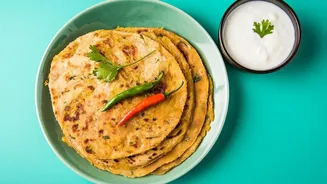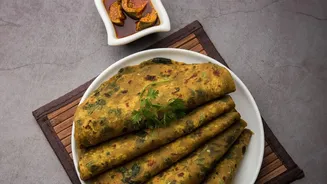

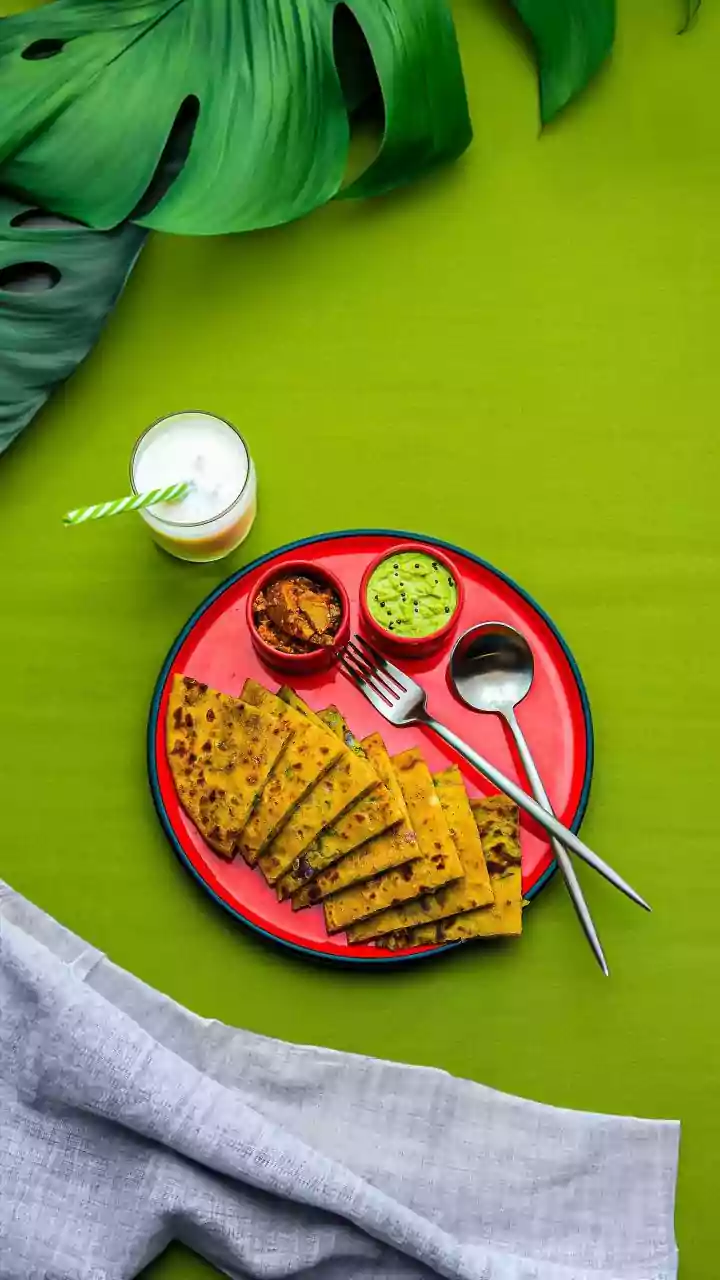
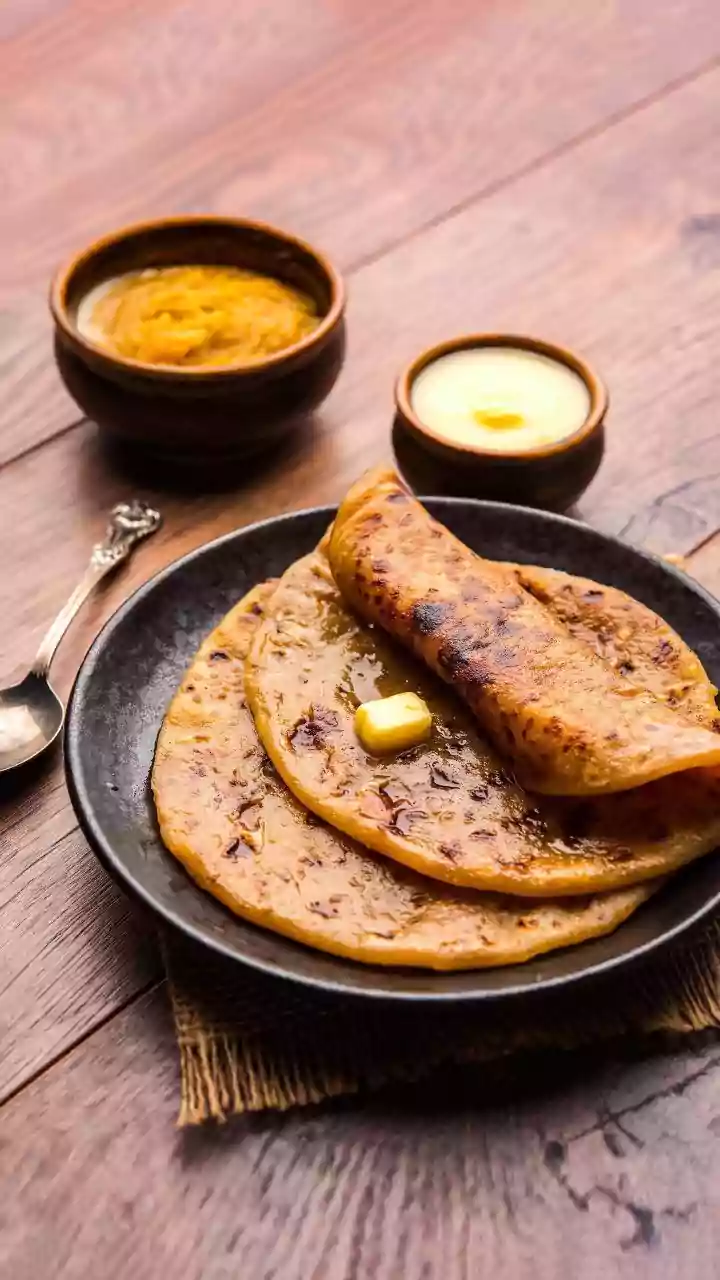

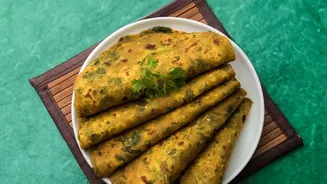
Craving a warm, wholesome paratha but avoiding wheat? This guide to making soft jowar mooli parathas is your answer. Discover the simple techniques to achieve a perfect, fluffy texture every time, proving gluten-free can be delicious and easy.
A Nutritious, Gluten-Free Delight
Jowar, or
sorghum, is a celebrated millet in India, known for its incredible health benefits. It's naturally gluten-free, making it an excellent choice for those with gluten sensitivity or celiac disease. Rich in fibre, protein, and essential minerals like iron and phosphorus, jowar is a nutritional powerhouse. When combined with mooli (radish), another winter favourite packed with nutrients and a sharp, peppery flavour, you get a paratha that is both hearty and healthy. This flatbread is filling, aids in digestion, and helps manage blood sugar levels, making it a smart addition to any meal.
Gather Your Ingredients
To create these flavourful parathas, you will need two sets of ingredients—one for the dough and another for the filling. For the dough, you'll primarily need Jowar flour (sorghum flour), hot water, a pinch of salt, and a teaspoon of ghee or oil. For the mooli filling, gather one medium-sized radish (mooli), finely chopped green chillies, grated ginger, carom seeds (ajwain), and salt to taste. Some recipes also incorporate finely chopped radish leaves, which add extra nutrients and flavour. Having all your components ready will make the cooking process smooth and enjoyable.
The Secret to a Soft Jowar Dough
The biggest challenge with gluten-free flours like jowar is achieving a soft, pliable dough that doesn't crack. The secret lies in using hot water. Bring your water to a rolling boil and add it to the jowar flour, salt, and a little oil. Mix it with a spatula initially, as it will be very hot. Once the mixture is cool enough to handle, begin to knead it while it's still warm. Knead for a good 5-7 minutes until the dough is smooth and soft. This process of using hot water helps to partially cook the flour, which results in a much softer and more manageable dough. Always keep the dough covered to prevent it from drying out.
Preparing the Flavourful Mooli Filling
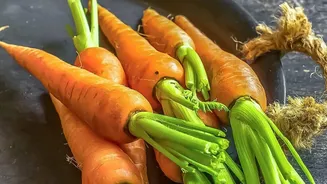
The key to a perfect mooli filling is managing its water content. Start by grating the radish. In a bowl, add a little salt to the grated mooli and set it aside for about 10-15 minutes. The salt will draw out the excess moisture from the radish. After waiting, firmly squeeze the grated radish to remove as much water as possible. This step is crucial to prevent the parathas from becoming soggy and breaking while rolling. Once squeezed, you can combine the grated mooli with finely chopped green chillies, grated ginger, ajwain, and other spices of your choice. Mix everything well, and your filling is ready.
Assembling and Rolling with Care
There are two main methods for incorporating the mooli. You can either mix the prepared mooli filling directly into the jowar dough and knead them together, or you can stuff the filling into a ball of dough, much like a traditional aloo paratha. The first method is often easier for beginners. Once your dough (either mixed or stuffed) is ready, divide it into equal-sized balls. Since jowar dough is delicate, rolling can be tricky. A great technique is to place a dough ball between two sheets of parchment paper or on a greased plastic sheet and then roll it out gently. You can also pat it into shape with your palms. Don't worry if the edges crack slightly; you can use a round cutter or the lid of a container to get a perfect circle.
Cooking for Perfect Softness
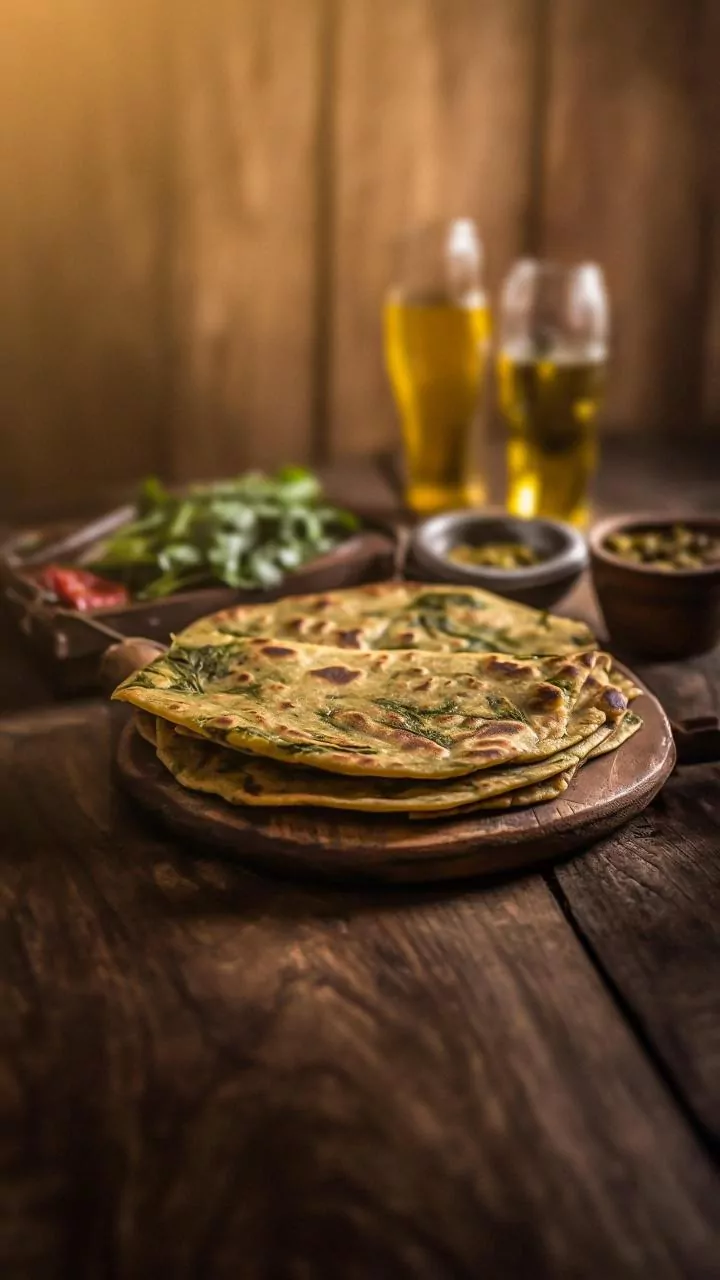
Heat a tawa or flat pan over medium heat. Carefully transfer the rolled paratha onto the hot tawa. Let it cook for about a minute until you see small bubbles form. You can spread a little water on the top surface before flipping. Flip the paratha and cook the other side. Apply a little ghee or oil and press gently with a spatula to help it cook evenly. Cook until you see golden-brown spots on both sides. The paratha should feel soft and be cooked through. Avoid overcooking on high heat, as this can make the parathas hard. Serve them immediately while they are warm and at their softest.