







The Kharif Connection
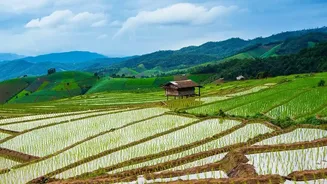
The fate of India's rural economy is intrinsically linked to the performance of the southwest monsoon, which delivers about 70% of the country's annual rainfall. This year, the monsoon has been officially declared below normal, with rainfall deficits
and uneven distribution impacting crucial crop-growing stages. The June-to-September rains are vital for the Kharif or summer crop, which includes staples like rice, cotton, soybeans, and pulses. A poor monsoon directly translates to lower crop yields, which, in turn, reduces the disposable income in the hands of millions of farmers. This financial stress arrives at a critical time, just as households would normally be planning significant expenditures for festivals like Dussehra and Diwali.
From Farm Incomes to Festive Sales
The chain reaction is straightforward but severe. Lower farm incomes lead to reduced purchasing power, forcing rural households to prioritize essential spending over discretionary purchases. This economic caution is already becoming visible in key rural market indicators. Recent data from September 2026 showed a significant slump in sales for products closely tied to the agricultural economy. Tractor sales, a primary barometer of rural sentiment and financial health, saw a sharp decline, with major manufacturers like Mahindra & Mahindra and Escorts Kubota reporting drops of 21% and 16.7% respectively. This signals that farmers are conserving cash, a trend that typically precedes a broader slowdown in consumer spending.
Which Sectors Feel the Pinch?
The ripple effect of a rural slowdown extends far beyond the fields. Several key sectors of the Indian economy are heavily dependent on festive season sales, which are significantly powered by rural demand. The automobile industry, particularly two-wheelers, often sees a sales spike during this period. However, Bajaj Auto reported a 12% decline in domestic two-wheeler sales in September, highlighting the strain on rural consumers. Fast-Moving Consumer Goods (FMCG) companies, which sell everything from soaps to packaged foods, also face uncertainty. While some recent reports show resilience, the underlying weakness in farm-linked demand is a major concern. Other sectors with high sensitivity to festive spending, like consumer durables and retail, are also watching the rural consumer closely, as reduced spending on non-essential items could dampen their growth prospects.
A Tale of Two Economies?
Interestingly, the current economic landscape is painting a picture of a two-speed economy. While rural demand is showing clear signs of stress due to the weak monsoon, urban consumption has remained relatively more resilient, supported by different economic drivers. Some early festive season reports even suggest a rebound in urban spending. However, this divergence cannot fully insulate the broader economy. Rural India accounts for a substantial portion of the country's population and consumption. A significant downturn in rural spending can eventually drag down overall GDP growth, increase food inflation due to lower crop output, and create policy challenges for the government. Experts caution that even with government support and other non-farm income sources, a sharp drop in agricultural income will inevitably impact overall economic momentum.