
The Building Blocks: Understanding Proteins and Amino Acids
Proteins are essential macronutrients vital for nearly every process in the body, from building muscle and repairing tissue to producing enzymes and hormones. They are made up of smaller compounds called amino acids. There are 20 different amino acids that
can form a protein, and nine of these are considered 'essential'. The term 'essential' means our bodies cannot produce them on their own, so we must get them from the food we eat. These nine essential amino acids are histidine, isoleucine, leucine, lysine, methionine, phenylalanine, threonine, tryptophan, and valine. Think of them as the most critical ingredients in a recipe; without all of them, the final dish just won't come together correctly.
What Makes a Protein 'Complete'?
The quality of a protein source is determined by its amino acid profile. A 'complete protein' is a food that contains all nine essential amino acids in sufficient quantities. Animal-based foods like meat, fish, eggs, and dairy are classic examples of complete proteins. On the other hand, 'incomplete proteins' are foods that are low in or missing one or more of these essential amino acids. Most plant-based foods, including grains, legumes, nuts, and seeds, fall into this category. However, this doesn't mean they are inferior sources of nutrition. By strategically combining different plant foods, a concept known as protein complementation, you can easily create a meal with a complete amino acid profile.
Protein Complementation: A Perfect Partnership
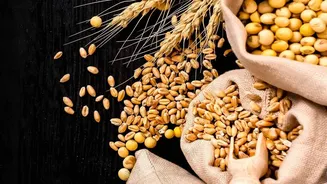
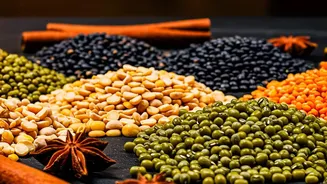
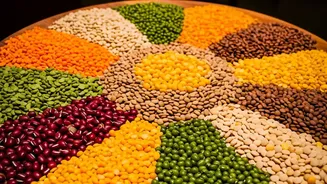
The secret to pairing grains and legumes lies in their different 'limiting amino acids'. A limiting amino acid is the essential amino acid found in the smallest quantity in a particular food, thereby limiting the body's ability to build protein from it. Cereal grains like rice and wheat are typically low in the essential amino acid lysine but have adequate amounts of methionine. Conversely, legumes such as lentils, beans, and chickpeas are rich in lysine but low in methionine. When you eat them together, their amino acid profiles compensate for each other’s shortfalls. The lysine from the legumes fills the gap in the grains, and the methionine from the grains makes up for what's lacking in the legumes. This synergy creates a high-quality, complete protein that is comparable to that found in animal sources.
Traditional Wisdom, Modern Science
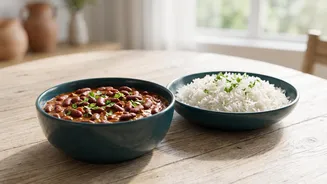
Many traditional Indian meals are perfect examples of protein complementation in action. Dal with rice (dal chawal), a staple across the country, combines lentils with a cereal grain. Similarly, pairing dal with flatbread (roti) achieves the same nutritional goal. Khichdi, a comforting one-pot dish of rice and lentils, is another excellent example of a complete protein meal. In South India, the combination of fermented rice and lentils to make idli and dosa also provides a complete amino acid profile. These culinary traditions, developed over centuries, intuitively understood the nutritional science of creating a balanced and sustaining meal from plant-based ingredients.
Do You Need to Eat Them in the Same Meal?
A common misconception is that you must eat complementary proteins in the same meal for your body to benefit. This theory was popularised in the 1970s but has since been updated. More recent research shows that the body maintains a 'pool' of free amino acids that it can draw upon throughout the day. This means that as long as you consume a variety of plant-based protein sources over the course of a day, your body can combine the amino acids as needed to form complete proteins. So, if you have beans for lunch and a slice of whole-grain bread later as a snack, your body can still effectively combine the amino acids. The key is a varied diet.