







The Great Millet Revival
Not long ago, millets like jowar, bajra, and ragi were often dismissed as ‘coarse grains’ or food for rural and economically weaker sections. Today, they are celebrated as ‘superfoods’ and are finding their way into everything from gourmet restaurant
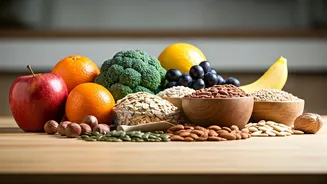
menus to hipster cafe breads and everyday breakfast cereals. This dramatic change in perception is no accident. The Indian government’s successful push to have the UN declare 2023 as the International Year of Millets was a masterstroke in food diplomacy, catapulting these humble grains onto the global stage. Domestically, sustained awareness campaigns highlighting their nutritional benefits—high in protein, fibre, and gluten-free—and their climate resilience have resonated with a newly health-conscious urban population. Millets require significantly less water than rice and wheat, making them a smart choice for India's farmers facing erratic weather patterns.
Beyond Just Millets
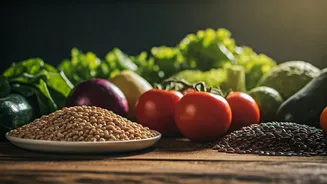
While millets are the poster child of this movement, the return to roots goes much deeper. Across the country, there is a renewed interest in a vast array of indigenous foods. Heirloom rice varieties like black rice from Manipur, red rice from Kerala, and Gobindobhog from West Bengal are being sought after for their unique flavours and nutritional profiles. Similarly, local and seasonal vegetables that were once staples but got pushed aside by a handful of commercial crops are making a comeback. Urban consumers are discovering the joys of moringa (drumstick leaves), amaranth leaves, and various local gourds, not from childhood memories but through farmers' markets and organic delivery services. This isn't just about nostalgia; it’s about rediscovering a biodiversity that was always present but temporarily forgotten in the rush towards monoculture and standardised produce.
Drivers: Health, Identity, and Sustainability
So, what is fuelling this collective journey back in time? The reasons are threefold. First is a massive surge in health and wellness consciousness, accelerated by the pandemic. Indians are increasingly wary of processed foods and are actively seeking nutrient-dense, natural alternatives to manage lifestyle diseases like diabetes and obesity. Second, there's a growing sense of cultural pride. For a new generation, embracing traditional foods is a way to connect with their heritage and reject the colonial-era notion that Western food is superior. Eating local is now seen as a sophisticated and conscious choice. Finally, sustainability is a major driver. Consumers, especially millennials and Gen Z, are more aware of the environmental impact of their food choices. Supporting local farmers and choosing climate-resilient crops like millets feels like a tangible way to contribute to a healthier planet.
Chefs and Startups Lead the Charge
This grassroots movement is being amplified and popularised by a vibrant ecosystem of chefs and food entrepreneurs. Visionary chefs are championing ‘hyperlocal’ menus, creating innovative dishes that celebrate ingredients sourced from within a few hundred kilometres. Restaurants are building their entire brand around regional Indian cuisines, presented in a modern, appealing format. Simultaneously, a wave of startups is making these traditional foods accessible to the urban masses. From ready-to-cook millet mixes and ragi-based pasta to subscription boxes featuring indigenous vegetables, these companies are bridging the gap between the farm and the city apartment. They are using smart branding and convenient packaging to make ancient wisdom fit seamlessly into modern lifestyles.
Challenges on the Path Forward
Despite the positive momentum, the path to fully re-embracing our food roots has its obstacles. One of the biggest challenges is scale and affordability. Currently, many of these heirloom grains and organic products are priced as premium goods, making them inaccessible to a large section of the population. For this to become a truly national movement and not just an urban elite trend, supply chains need to be strengthened, and economies of scale need to be achieved to bring down prices. There is also a need for continued research and development to improve yields and processing techniques for these traditional crops, ensuring that the farmers who grow them see tangible economic benefits. The risk is that the movement gets co-opted by commercial interests and loses its authentic connection to health and sustainability.