



What Exactly Is Freezer Burn?
Despite its alarming name, freezer burn isn’t a burn at all. It’s a form of dehydration. The process is called sublimation, where ice on the food’s surface turns directly into water vapor, skipping the liquid stage entirely. This moisture loss is what
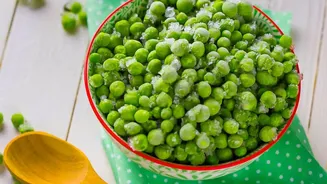
causes those telltale signs: dry, tough, leathery patches and grayish-brown discoloration on meats or shriveled spots on vegetables. As the water molecules escape, oxygen moves in to take their place, which can lead to changes in color and flavor. Essentially, the cold, dry air of your freezer has wicked the moisture right out of your food, leaving it less appealing but not necessarily spoiled.
The All-Important Question: Is It Safe?
The short answer is yes. According to food safety experts, including the USDA, freezer-burned food is safe to eat. The freezing process itself—when maintained at or below 0°F (-18°C)—prevents the growth of harmful microorganisms that cause foodborne illnesses. Freezer burn is a quality issue, not a safety one. It dramatically impacts the texture and flavor, making the food dry and sometimes giving it a strange taste, but it won’t make you sick. The key distinction is between freezer burn and actual spoilage. If a food item has an off-odor, a slimy texture, or other signs of rot before or after thawing, it should be discarded regardless of whether it also has freezer burn.
Your Guide to Preventing Freezer Burn
Since air is the primary culprit, prevention is all about proper packaging and storage. The goal is to create a barrier that stops moisture from escaping and air from getting in. Start by using materials designed for the freezer, like heavy-duty freezer bags, vacuum-seal bags, or airtight containers. When using bags, squeeze out as much air as possible before sealing. For extra protection, especially for long-term storage, consider double-wrapping items—for example, with plastic wrap and then a layer of aluminum foil or a freezer bag. It also helps to maintain a consistent, cold temperature. Set your freezer to 0°F (-18°C) or lower. Frequent temperature fluctuations, like those from opening the door often, can speed up freezer burn. Finally, label and date everything, and practice a “first in, first out” system to ensure food isn’t forgotten for too long.
How to Salvage and Use Affected Food
While you can’t reverse freezer burn, you can often salvage the food. The simplest method is to just trim away the affected parts before or after cooking. Since the damage is typically on the surface, the food underneath is often perfectly fine. For foods that have more widespread but mild freezer burn, the best strategy is to use them in dishes where moisture is added back and texture is less critical. Think slow-cooker recipes, soups, stews, and casseroles. The liquid helps rehydrate the food and can mask any textural imperfections. Marinating meat before cooking can also help improve its flavor and tenderness. For ground meat with freezer burn, the changes are often unnoticeable once it's cooked and mixed into a sauce or dish like chili or meatballs. The key is to avoid cooking methods like grilling, which would only dry the food out further.