





The New Green on the Block
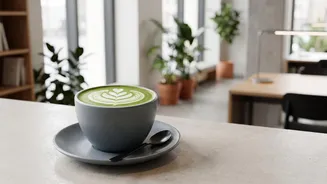
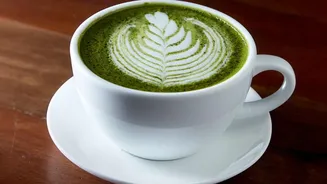
Walk through any modern office in Mumbai, Bengaluru, or Delhi, and you are likely to spot it. A vividly green, frothy drink that is steadily replacing traditional caffeinated beverages. This is matcha, a finely ground powder of specially grown and processed
green tea leaves, and it's fast becoming the beverage of choice for India's ambitious and stressed-out corporate workforce. The trend is driven by a rising wave of health-conscious urban professionals who are seeking functional beverages that do more than just provide a temporary jolt. This shift reflects a broader trend in corporate wellness, where employee wellbeing is now seen as a strategic priority linked to productivity and retention.
The Science of 'Calm Alertness'
So, why is matcha different from the usual cutting chai or espresso shot? The answer lies in its unique chemical composition. Matcha contains caffeine, but it is paired with a rare amino acid called L-theanine. While caffeine blocks receptors in the brain to increase alertness, L-theanine promotes alpha brain waves, which are associated with a state of relaxed concentration, similar to meditation. This powerful combination creates a state of 'calm alertness', providing sustained energy for hours without the anxiety, jitters, or subsequent crash commonly associated with coffee. For professionals tackling complex tasks that require deep focus, this means improved accuracy and less susceptibility to distraction.
A Ritual for Productivity
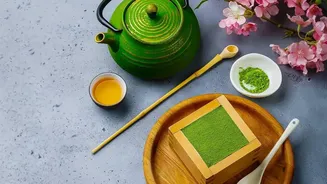
The adoption of matcha is more than just a health choice; it's a cultural shift. The preparation itself—whisking the powder into hot water—is a mindful ritual that offers a deliberate pause in a hectic day, a stark contrast to gulping down a quick coffee. This aligns perfectly with the growing emphasis on mental health and stress management in Indian workplaces, which have seen some of the highest burnout rates globally. Companies are increasingly investing in holistic wellness programs, and employees are personally adopting practices that support not just physical health, but also mental clarity and emotional balance. In this context, a cup of matcha becomes a tool for mindful productivity, not just a caffeine delivery system.
India's Growing Matcha Market
This rising demand has not gone unnoticed. India’s matcha market is projected to grow significantly, with some forecasts predicting a market value of over $160 million by 2030. The surge in interest is evident in online search trends, with a massive spike in searches for “how to make matcha” over the past year. This has led to an explosion of both imported Japanese brands and, more recently, locally-produced matcha, including from regions like Assam. From specialty cafes to direct-to-consumer online brands, high-quality matcha is now more accessible than ever for Indian consumers. This growth is a clear indicator that matcha is moving from a niche trend to a mainstream ritual.
Getting Started with Matcha
For those curious to try, starting is simple. There are two main grades: ceremonial, which is the highest quality and best for drinking with just water, and culinary, which is better for lattes, smoothies, and baking. For a focused work boost, ceremonial grade is recommended due to its higher L-theanine content. The traditional preparation involves a bamboo whisk and a bowl, but you can easily make it with a small milk frother. Simply whisk about half a teaspoon of matcha powder with a small amount of hot (not boiling) water until frothy, then top up with more water or milk of your choice. Many brands are now readily available on Indian e-commerce platforms and in health food stores.